

Estrogen and progesterone modulate thermoregulation, fluid balance, tissue elasticity , and energy metabolism. This can moderately influence pace, RPE, and recovery time – varying considerably from person to person.
Structuring training in a phase-conscious manner
Menstruation: Focus on well-being; relaxed Z2, mobility, technique OK.
Follicular phase: Higher intensity is often well tolerated – utilize VO2/tempo & strength progression.
Luteal phase: Heat stress increases; more regeneration, moderate volume, prioritize sleep.
Managing symptoms: cramps, GI, sleep
Magnesium/glycine, warmth, gentle exercise, a tailored diet (fiber/timing), and stress management can help. In cases of severe distress: medical evaluation (e.g., for endometriosis).
Iron, thyroid & co.: When energy is lacking
Low ferritin levels, hypothyroidism, or vitamin D deficiency can impair performance, sleep, and mood. Targeted diagnostics are advisable instead of random supplementation.
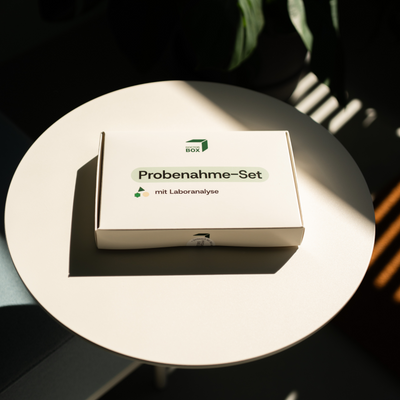
Empfohlener Heimtest
Produkt:
Analyse im Fachlabor
Diskrete Verpackung
Ergebnis in 72h
Risk of injury & connective tissue
Tissue elasticity can increase during ovulation – proceed cautiously with jumps/maximum loads. Prioritize progression and technique, and warm up thoroughly.
Nutrition & Hydration Throughout the Cycle
Sufficient protein , complex carbohydrates of high quality, omega-3 fatty acids, and iron sources are essential. During the luteal phase, more frequent electrolyte intake and adequate fluid intake are crucial (due to higher core body temperature).
Apps, tracking & interpretation
Cycle tracking helps identify patterns. Wearables provide trends (HRV, temperature), but do not replace symptom reflection. The goal: to simplify decisions , not to perfect them.
Mindset & Communication
Cycle synchronization is an option, not a dogma . Openness in team/coaching facilitates planning. The benchmark is your well-being and progress over weeks, not just your daily condition.
Häufig gestellte Fragen
Only if you feel good. Alternatively, a relaxed Z2/technique workout. Progress comes from consistency , not from individual hard days.
Individual – often helpful: Magnesium , Omega-3; in case of deficiency: Iron / Vitamin D. Check levels beforehand.
There are indications of differences in phases. Progression , technique, and recovery are crucial – not just the calendar.
Hormonal contraception alters patterns. Observe your reactions; consult a doctor if necessary.
Simply get started: App + short notes on energy, sleep, ailments, training tolerance.
Moderate calorie deficit and protein focus; prioritize sleep/stress. Radical diets often destabilize.
Severe pain, missed period, extreme fatigue, suspected endometriosis – please get checked out.
Depending on the symptoms: Ferritin, TSH/fT3/fT4, Vitamin D, possibly hormone profile.