Skip to content

Darm & Verdauung

Celiac disease in everyday life & performance: Living gluten-free, delivering peak performance

From diagnosis to routine – how to master a gluten-free diet with enjoyment and safety

Celiac disease is an autoimmune disorder that requires a lifelong gluten-free diet. But that doesn't mean sacrificing quality of life, enjoyment, or athletic performance. With the right knowledge about cross-contamination, nutrient intake, and practical everyday strategies, you can live safely and enjoyably – whether at home, in a restaurant, or while traveling.

In short, explained

  • Strict, but feasible: Lifelong gluten avoidance below 20 ppm is medically necessary.
  • Beware of cross-contamination: Use your own utensils, clean surfaces, and communicate clearly.
  • Monitor nutrients: Regularly check iron, vitamin D, B12 and calcium levels.
  • Naturally gluten-free: Unprocessed foods as a base are safer and more nutritious.

Understanding celiac disease: More than just gluten intolerance

Celiac disease is not a trendy diagnosis or a lifestyle choice – it's a serious autoimmune disorder in which the body's immune system reacts to gluten, attacking the small intestine. Approximately one percent of the population is affected, but the number of undiagnosed cases is high: many people live for years with nonspecific symptoms before receiving the correct diagnosis. If you have celiac disease, a lifelong, strict gluten-free diet is not an option – it's a medical necessity.

Gluten is a collective term for certain storage proteins found in wheat, rye, barley, and their hybrids such as triticale. In people with celiac disease, these proteins trigger an immunological cascade: The immune system mistakenly identifies gluten as a threat and produces antibodies that attack not only the gluten but also the body's own tissue. The primary target of this autoimmune reaction is the lining of the small intestine.

The lining of the small intestine is covered with finger-like projections – the villi – which provide an enormous surface area for nutrient absorption. In untreated celiac disease, these villi are progressively destroyed by chronic inflammation (villous atrophy). The absorption surface shrinks, and vital nutrients can no longer be absorbed effectively. The consequences are far-reaching: iron deficiency, vitamin D deficiency, calcium deficiency, vitamin B12 deficiency, and much more – even with a seemingly healthy diet.

Genetics plays a crucial role. Celiac disease only occurs in people who carry certain HLA gene variants (HLA-DQ2 or HLA-DQ8). Approximately 30 to 40 percent of the population has these genes, but only a fraction actually develop celiac disease. Other factors—intestinal infections, stress, changes in the microbiome, and perhaps the timing of gluten introduction in childhood—appear to trigger its onset. If a first-degree relative has celiac disease, your own risk is around ten percent.

Celiac disease is a lifelong condition. It doesn't go away, and there is no cure with medication. The only effective treatment is the strict avoidance of gluten. This sounds simple, but it's challenging in everyday life – gluten is hidden in countless products, and even traces can trigger symptoms and intestinal damage in some sufferers. Mastering this daily routine – while maintaining quality of life, enjoyment of food, and even peak athletic performance – is absolutely possible. But it requires knowledge, planning, and a dose of pragmatism.

Symptoms and diagnosis: The often long road to clarity

Celiac disease is a chameleon among illnesses – it presents differently in each person, and the classic symptoms are often completely absent. Many sufferers wander through the healthcare system for years before receiving the correct diagnosis. The average time from the first symptoms to diagnosis is a staggering six to ten years.

The classic presentation – chronic diarrhea, bloating, weight loss, and failure to thrive in children – is seen less frequently today, probably because these obvious cases are recognized earlier. More common are atypical or silent courses: iron deficiency despite good nutrition, unexplained fatigue, recurrent mouth ulcers, osteoporosis at a young age, elevated liver enzymes without a known cause, infertility, or skin manifestations such as dermatitis herpetiformis.

Neurological and psychological symptoms can also occur: headaches, migraines, peripheral neuropathy (tingling and numbness in the hands and feet), ataxia (impaired coordination), depression, and anxiety disorders. In children, growth retardation, delayed puberty, and behavioral problems can be indicators. Some people have no symptoms at all, even though their small intestine lining is already damaged—this 'silent' celiac disease is often discovered by chance.

The diagnostic pathway typically begins with blood tests for celiac disease-specific antibodies. The most important is transglutaminase IgA (tTG-IgA), which has a sensitivity and specificity of over 95 percent. Total IgA should also be determined, as approximately three percent of celiac disease patients have an IgA deficiency, which can lead to false-negative results. In cases of IgA deficiency, IgG-based tests are used.

Crucially important: Antibody tests only work if you are still eating gluten at the time of the blood draw. If you are already living gluten-free, the antibodies may fall below the detection limit, even though you have celiac disease. Before diagnosis, you must eat gluten-containing foods for at least six weeks, ideally twelve – a challenge known as the 'gluten challenge'.

The gold standard for confirmation is small bowel biopsy via gastroscopy. Small tissue samples are taken from the duodenum and examined for villous atrophy and signs of inflammation. This biopsy should be performed before starting a gluten-free diet. In adults with clear antibody findings (tTG-IgA >10-fold elevated) and typical symptoms, some guidelines now discuss foregoing the biopsy – however, this should be discussed individually with a gastroenterologist.

The gluten-free diet: basics and principles

Living gluten-free means avoiding all foods containing wheat, rye, barley, or their derivatives. That sounds manageable, but in today's food world, it's a real challenge. Gluten hides in countless processed products, and even traces can be problematic. The good news: with the right strategy, a varied and enjoyable diet is absolutely possible.

Naturally gluten-free are all unprocessed staple foods: meat, fish, eggs, dairy products (provided there are no additives), fruits, vegetables, legumes, nuts, rice, corn, potatoes, quinoa, buckwheat, millet, amaranth, and many more. These foods should form the foundation of your diet. The more you cook with unprocessed ingredients, the safer you are.

Gluten-free grain alternatives have developed enormously. Rice, corn, and potatoes are the classics. Pseudocereals like quinoa, buckwheat, and amaranth provide high-quality protein and interesting flavor profiles. Oats are naturally gluten-free, but are often contaminated through the same cultivation, transport, and processing as wheat—only specially certified gluten-free oats are safe. Many people with celiac disease tolerate this well, but about five percent also react to the oat's own protein, avenin.

Gluten-free alternatives like bread, pasta, muesli, and pastries are now available in every supermarket. The quality has improved dramatically – good gluten-free bread is now very close to the original in taste and texture. However, these products are often more expensive and sometimes less nutritious (more starch, less fiber and protein) than their gluten-containing counterparts. Use them as part of a balanced diet, not as your main source of nutrition.

The safe limit for gluten is 20 ppm (parts per million) or 20 milligrams per kilogram – this is the threshold for the 'gluten-free' label in the EU. For the vast majority of people with celiac disease, this amount is safe. A few are even more sensitive and require even stricter avoidance. The total amount is what matters: Even if individual products contain less than 20 ppm, the cumulative effect of several products can be significant.

Reading ingredient lists becomes routine. Gluten must be highlighted as an allergen – this makes searching easier. Look out for: wheat (and all varieties such as spelt, kamut, emmer, einkorn), rye, barley, malt (usually from barley), as well as terms like 'wheat gluten', 'wheat starch' (may contain traces unless declared gluten-free), 'seitan' (pure gluten). Couscous and bulgur are wheat products. Soy sauce is traditionally made with wheat – gluten-free tamari is the alternative.

Cross-contamination: The invisible danger

One of the biggest challenges with celiac disease is not what obviously contains gluten, but what has been unintentionally contaminated with it. Cross-contamination – the transfer of trace amounts of gluten to foods that are actually gluten-free – can happen anywhere: in food production, in supermarkets, in restaurants, and in your own kitchen.

Prevention starts in your own kitchen. If you live with family members who consume gluten, you need separate kitchen utensils that never come into contact with gluten: your own toaster (or toaster bag), your own wooden cutting board (wood is porous and retains gluten residue), your own colanders and cooking spoons, and separate containers for butter and spreads. Work surfaces must be thoroughly cleaned before preparing gluten-free food. The easiest way to avoid this is to prepare gluten-free meals first, before the kitchen gets contaminated.

When buying packaged foods, look for the crossed-out ear of wheat symbol or the label "gluten-free." This label guarantees a gluten content below 20 ppm and regular testing. Products without this label may also be safe, but you bear the risk yourself. "Naturally gluten-free" is not a controlled claim. "May contain traces of gluten" is a voluntary statement regarding potential cross-contamination—most celiac disease experts advise evaluating such products individually or avoiding them if in doubt.

Communication is key in restaurants. Be clear: "I have celiac disease, not gluten intolerance—I need truly gluten-free food, not just reduced-gluten." Good kitchens understand the difference. Ask for separate preparation, individual pans, and to avoid the frying oil that's also used for breaded items. Buffets are risky—a single spoonful passing between dishes can be contaminated. If you're unsure, it's better to forgo the food altogether or choose simple dishes like grilled meat or fish with vegetables and potatoes.

Traveling requires special planning. Research gluten-free options at your destination before you leave. In some countries (Italy, Finland, Australia), awareness is high and the selection is good. In others, it can be difficult. Pack emergency snacks – gluten-free bars, nuts, rice cakes. You can pre-order gluten-free meals on flights, but double-check them anyway. Hotels with kitchens offer flexibility. Restaurant apps and local celiac associations can provide recommendations.

The good news: Your gut can often handle minor, occasional contamination without immediate symptoms. This doesn't mean it's harmless—even asymptomatic exposure causes damage in the long run. But it does mean that a single mistake isn't a catastrophe. Strive for the best possible avoidance, but don't panic.

Optimizing nutrient supply in celiac disease

Damage to the small intestinal lining in celiac disease leads to nutrient deficiencies – often even before a diagnosis is made. Even after switching to a gluten-free diet, complete healing of the lining takes months to years, and certain deficiencies can persist. Targeted nutrient monitoring and optimization are therefore essential.

Iron deficiency is one of the most common nutrient deficiencies in celiac disease and often the first warning sign. Iron absorption takes place in the upper small intestine – precisely where celiac disease most severely damages the intestinal lining. Symptoms include fatigue, paleness, shortness of breath, hair loss, and brittle nails. After diagnosis, iron levels should be checked and supplemented if deficient. Absorption improves as the intestinal lining heals, but some individuals require long-term supplementation.

Vitamin D and calcium are critical for bone health, which is often compromised in celiac disease. Malabsorption of calcium and vitamin D, combined with chronic inflammation, leads to an increased risk of osteoporosis. A bone density measurement (DEXA scan) is recommended at diagnosis, especially in adults over 30. Vitamin D should be supplemented until levels are within the optimal range (at least 30 ng/ml), and calcium-rich foods should be prioritized.

B vitamins, especially folate and B12, can be deficient in people with celiac disease. Folate is absorbed throughout the small intestine, while B12 is absorbed in the terminal ileum. Both are essential for blood formation, nerve function, and energy metabolism. Sufficient folate is particularly important for women of childbearing age to ensure a successful pregnancy. Gluten-free diets are often lower in folate than conventional diets because they typically include fewer fortified grain products.

Zinc and magnesium are other minerals that are frequently deficient. Zinc deficiency can impair skin, hair, the immune system, and wound healing. Magnesium deficiency manifests as muscle cramps, fatigue, and mood swings. Both should be monitored during diagnosis and over time.

A gluten-free diet itself can be less nutritious than a gluten-containing one if it relies primarily on processed substitutes. Many gluten-free products consist mainly of refined starch and are low in fiber, B vitamins, and iron. The solution: Base your diet on unprocessed, nutrient-dense foods. Include nutrient-rich pseudocereals like quinoa, buckwheat, and amaranth. Ensure you consume plenty of fruits, vegetables, legumes, and nuts. Gluten-free substitutes are convenient, but they shouldn't constitute the majority of your carbohydrate intake.

Monitoring and progress control: Keeping an eye on your health

Celiac disease requires lifelong medical monitoring – not only to oversee the gluten-free diet, but also to detect complications early and ensure adequate nutrition. Structured monitoring provides reassurance and helps you stay on track.

The antibody tests used for diagnosis are also used to monitor the course of the disease. After starting a gluten-free diet, transglutaminase IgA antibodies should decrease significantly and normalize within six to twelve months. Persistently elevated antibody levels after one year of a strict diet may indicate continued (often unintentional) gluten exposure or – rarely – refractory celiac disease, which requires further investigation.

Many experts recommend a follow-up biopsy after one to two years of a gluten-free diet to confirm histological healing. In adults, the mucous membrane heals more slowly than in children, and in some patients, it never fully normalizes, even with a strict diet. Knowing the healing status helps in assessing symptoms and risks.

Regular blood tests should include iron, ferritin, vitamin D, B12, folate, calcium, and thyroid function. Autoimmune thyroid diseases occur more frequently in celiac disease (approximately ten percent), as does type 1 diabetes. Liver function should be monitored – elevated liver enzymes can be caused by celiac disease itself as well as by other conditions.

The DoctorBox Metabolic Check Plus provides a comprehensive overview of important health markers. It includes liver and kidney function, thyroid function, inflammation markers, and blood sugar – all parameters relevant to celiac disease. Supplemented by specific tests for iron, ferritin, vitamin D, and B12, you receive a complete picture of your nutrient status. Regular checks, such as annually, help to identify deficiencies early and counteract them.

A bone density measurement should be performed at the time of diagnosis and repeated regularly in cases of osteopenia or osteoporosis. A consistent gluten-free diet, sufficient calcium, and vitamin D can improve bone density – especially in younger patients.

Working with a registered dietitian specializing in celiac disease is particularly valuable in the first few years after diagnosis. They can identify hidden sources of gluten, ensure a nutrient-rich diet, and provide practical support for everyday life. Many health insurance companies cover the costs of nutritional counseling for celiac disease.

Sicherheit durch Testen

Jetzt wo du die Symptome kennst: Verschaffe dir Klarheit mit einem diskreten Heimtest.

Start your metabolism check

Empfohlener Heimtest

Produkt: metabolism check plus

Analyse im Fachlabor
Diskrete Verpackung
Ergebnis in 72h

Sports and performance with celiac disease

Celiac disease is no obstacle to top athletic performance – numerous professional athletes, including tennis player Novak Djokovic, live successfully with the diagnosis. However, the combination of athletic ambitions and a strict diet requires special attention. With the right strategy, you can reach your full potential.

Nutritional intake is doubly important for active athletes with celiac disease. Exercise increases the need for energy, protein, iron, electrolytes, and many micronutrients. At the same time, absorption capacity is limited in celiac disease—especially in the first few years after diagnosis. Careful meal planning with a focus on nutrient-rich foods is essential. Have your blood levels checked regularly and supplement specifically for any deficiencies.

Critically examine sports nutrition products: Many energy gels, bars, protein powders, and isotonic drinks contain gluten-containing ingredients or are produced in facilities that also process gluten. Read ingredient lists carefully, look for the 'gluten-free' label, and always test new products during training first. Fortunately, many manufacturers now offer gluten-free lines – the selection is significantly better than it was a few years ago.

Homemade sports nutrition gives you complete control. Energy balls made from dates, nuts, and coconut are gluten-free and packed with energy. Rice cakes with a little salt and honey serve as a quick source of carbohydrates. Banana bread made with oat flour (certified gluten-free) or rice flour is a classic. Smoothies with fruit, Greek yogurt, and gluten-free protein powder provide everything you need for recovery.

Competitions and travel require special planning. Find out about gluten-free options at the event location in advance. At marathons, triathlons, and similar events, aid station food is typically not gluten-free – plan your own nutrition accordingly. For international competitions, contact the organizers regarding gluten-free meals. Always bring emergency snacks. If traveling by plane, pre-order gluten-free meals.

The gut is particularly sensitive during exercise. Intense exertion reduces blood flow to the digestive tract and can temporarily increase the permeability of the intestinal barrier. In people with celiac disease – even if the intestinal lining has largely healed – this can exacerbate digestive problems. Never exercise on a full stomach, avoid high-fiber and difficult-to-digest foods before exercising, and listen to your body. If you regularly experience problems during exercise despite a strict diet, discuss this with your doctor.

Psychosocial aspects: Living with a chronic illness

Celiac disease is more than just a dietary change – it's a chronic condition that affects your entire life. The psychological and social challenges are often underestimated, but they deserve just as much attention as the medical aspects. How you cope with the diagnosis significantly impacts your quality of life.

The diagnosis can be a relief—finally an explanation for years of discomfort—but also overwhelming. The thought of having to forgo so much for the rest of your life can trigger sadness, anger, or fear. These feelings are normal and justified. Give yourself time to adjust, and don't hesitate to seek professional support if the emotional burden becomes too much.

Social situations become more complicated. Eating is a social act in all cultures – celebrations, business lunches, family gatherings, dates often revolve around food. With celiac disease, you have to navigate these situations, communicate, sometimes abstain, sometimes explain. This can be exhausting and evoke feelings of exclusion or being different. Over time, you develop strategies: you know which restaurants are safe, you bring something to invitations, you learn to say 'no, thank you' in a relaxed way.

Relationships and family are affected. A partner who understands and supports your needs is invaluable. Address the meaning of celiac disease early in relationships – not as a problem, but as information. In families with children, the question often arises: Should we cook completely gluten-free or both? Both have advantages and disadvantages. A shared gluten-free kitchen reduces the risk of cross-contamination and stigmatization, but requires everyone to abstain.

The fear of contamination can become a burden in itself. If you're constantly worried about ingesting hidden gluten, if you avoid social situations, if the need for control becomes obsessive, that's a warning sign. A certain degree of caution is necessary, but it shouldn't dominate your life. Perfection is neither possible nor necessary – the goal is a diet that's 'as good as possible,' not flawless.

Self-help groups and the celiac disease community can be incredibly valuable. Connecting with people who have similar experiences normalizes the challenges and provides practical tips. The German Celiac Society (DZG) offers information, events, and regional groups. Online communities and blogs broaden your horizons. You are not alone – around one million people in Germany share your situation.

Gluten-free on the go: Travel, restaurants and special occasions

Life isn't confined to your own kitchen – travel, restaurant visits, celebrations, and spontaneous invitations are all part of it. With celiac disease, these situations require more planning, but they are by no means impossible. Many experienced celiac sufferers report that they even become more adventurous over time because they've learned to eat safely almost anywhere.

In restaurants, communication is key. Clearly state that you have celiac disease – not "gluten intolerance" or "low-gluten," but your medical diagnosis. Ask about preparation methods, separate pans, and the type of frying oil used. Good restaurants take such requests seriously; if you are turned away or not taken seriously, that's a red flag. For important occasions, call ahead and clarify the options. Tipping for attentive service is appropriate – it also motivates the next celiac customer.

Restaurant apps and websites like 'Find Me Gluten Free' or local celiac society lists can help you find safe options. Many restaurants now have gluten-free menus or at least clearly marked dishes. Ethnic food can be surprisingly safe: Mexican (corn tortillas), Thai (rice noodles), Indian (many gluten-free dishes), Japanese (tamari instead of soy sauce) – always with caution regarding sauces and marinades.

Traveling requires research and preparation. Find out about gluten-free options at your destination before you leave. Italy has an excellent system due to the high prevalence of celiac disease – diagnoses are more frequent, awareness is high, and even small trattorias often offer gluten-free pasta. Scandinavia and the UK are also well-equipped. In some regions of the world, it's more difficult – here, self-sufficiency is the safest option.

Always pack an emergency supply for travel: gluten-free bars, rice cakes, nuts, perhaps a portion of gluten-free pasta or bread. When flying, order gluten-free meals at least 48 hours in advance – and still check them. Accommodations with a kitchen offer flexibility. Learn useful phrases in the local language: 'I have celiac disease' and 'Does this dish contain wheat, rye, or barley?' can open doors.

Special occasions like weddings, birthdays, and corporate events require proactive communication. Inform your hosts of your needs well in advance. Offer to bring something or provide information about safe options beforehand. Be cautious with buffets—ask if you can have priority access to certain dishes before the food starts piling up. And: It's perfectly acceptable to eat something safe before or after and only take small portions at the event if the options are uncertain.

Frequently asked questions about celiac disease

Can celiac disease develop in adulthood?

Yes, absolutely. Celiac disease can first appear at any age. The genetic predisposition is inherited, but the onset of the disease—the activation of the autoimmune process—can be triggered by various factors: infections, pregnancy, severe stress, surgery, or other factors. There are cases of people who are only diagnosed at 60, 70, or even later, despite having eaten gluten their entire lives. If you develop typical symptoms, celiac disease should be investigated regardless of your age.

How strict does the gluten-free diet really need to be?

For people with celiac disease, the diet must be strict and lifelong. Even without symptoms, gluten damages the lining of the small intestine and, in the long term, increases the risk of complications such as osteoporosis, infertility, and—rarely—lymphoma. The threshold for "gluten-free" is 20 ppm (20 mg/kg). Most experts recommend staying below 10 mg of gluten per day. Occasional accidental exposure is unavoidable and tolerable in small amounts—but deliberately "making exceptions" is not safe. Some affected individuals experience symptoms with every exposure, while others are asymptomatic but still suffer damage.

Can I eat oats if I have celiac disease?

Oats are naturally gluten-free, but cultivation, transport, and processing often lead to contamination with wheat, rye, or barley. Only specially certified gluten-free oats are safe. Most people with celiac disease tolerate this gluten-free oats well – they can enrich their diet and provide valuable fiber. However, about five percent of those affected also react to the oat protein avenin. The recommendation: Introduce gluten-free oats only after several months of a strict gluten-free diet, once the intestinal lining has healed, and test individual tolerance.

What is the difference between celiac disease and gluten sensitivity?

Celiac disease is an autoimmune disorder characterized by detectable antibodies and damage to the small intestine. Non-celiac gluten sensitivity (NCGS) is a clinical syndrome with gluten-related symptoms, but without the autoimmune markers and villous atrophy. Distinguishing between the two is crucial: In celiac disease, strict lifelong avoidance is medically necessary; in NCGS, the evidence is less clear, and some experts doubt whether gluten is the actual trigger (other wheat components or FODMAPs could be responsible). NCGS is diagnosed after ruling out celiac disease and wheat allergy.

What complications can occur with untreated celiac disease?

Untreated celiac disease leads to chronic malabsorption with nutrient deficiencies: iron deficiency, anemia, osteoporosis/osteopenia, vitamin D deficiency, and vitamin B12 deficiency. Chronic inflammation and damage to the intestinal lining increase the risk of intestinal lymphoma (rare, but real) and other gastrointestinal cancers. Neurological complications such as peripheral neuropathy and ataxia can occur. Infertility, miscarriages, and pregnancy complications are more common. Children are at risk of growth retardation and developmental disorders. The good news: With a strict gluten-free diet, most of these risks decrease to the level of the general population.

How long does it take for the intestines to recover after diagnosis?

Recovery varies considerably from person to person. Many sufferers experience an improvement in symptoms within days to weeks of starting a gluten-free diet. Antibody levels typically normalize within six to twelve months. Histological healing of the small intestinal mucosa takes longer – often one to two years in children, and two to five years or more in adults. In some adults, the histology never fully normalizes, even with a strict diet. This does not mean the diet is ineffective – it stops the active damage and enables the best possible healing.

Do my family members also need to be tested for celiac disease?

Yes, screening of first-degree relatives (parents, siblings, children) is recommended. The risk of celiac disease in first-degree relatives is about ten percent – ​​ten times higher than in the general population. Even asymptomatic family members can be affected. A simple blood test (transglutaminase IgA) can rule out celiac disease with a high degree of certainty or confirm a suspected diagnosis. Children of individuals with celiac disease should be screened no later than after the introduction of gluten into their diet and then regularly thereafter.

Can I get pregnant and breastfeed despite having celiac disease?

Yes, but well-controlled celiac disease is important. Untreated celiac disease increases the risk of infertility, miscarriage, premature birth, and low birth weight. With a consistent gluten-free diet, these risks largely normalize. Before a planned pregnancy, you should ensure that your nutrient stores (especially iron, folate, and vitamin B12) are replenished. During pregnancy and breastfeeding, a gluten-free diet remains necessary, of course. Breastfeeding is perfectly fine and is recommended—as it is for all mothers. Breast milk does not contain gluten.

Is a gluten-free diet automatically healthier?

Not necessarily. A gluten-free diet is medically necessary for people with celiac disease, but not inherently healthier for those without. Many gluten-free substitutes are highly processed, contain more sugar and fat, less fiber, and are fortified with fewer vitamins than their gluten-containing counterparts. A healthy gluten-free diet is based on unprocessed foods: vegetables, fruits, legumes, nuts, meat, fish, eggs, and naturally gluten-free grains. Those who eat only processed substitutes can still be nutritionally deficient despite their gluten-free diet.

Is there any hope for a cure or medication for celiac disease?

Research is active, and several approaches are being pursued. Enzymes that break down gluten in the stomach before it reaches the small intestine (glutenases) are under development—they could buffer cross-contamination but will likely not allow regular gluten intake. Medications that reduce the permeability of the intestinal barrier (zonulin inhibitors such as larazotide) have been promising but have not yet been approved. Immunotherapies that make the immune system 'tolerant' to gluten are in early stages. A cure is not yet in sight, but symptomatic treatments could become available in the coming years. Until then, a strict gluten-free diet remains the only therapy.
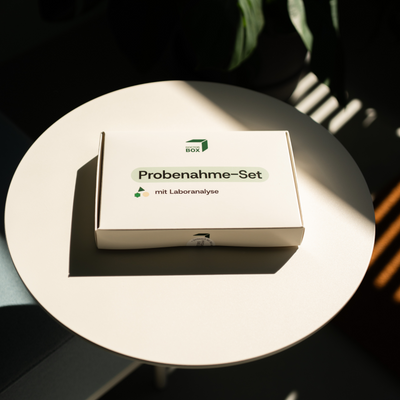
Bereit für den nächsten Schritt?

Du hast jetzt alle wichtigen Informationen. Sorge für deine Gesundheit mit einem zuverlässigen Heimtest.

Start your metabolism check
DoctorBox AI Advisor
Hey! 👋 What health concerns do you have? I will help you find the right test.

AI-powered – Answers may be inaccurate.