Table tennis – reaction, spin and enjoyment of the game
Technique, tactics and introduction to the fastest racket sport
Table tennis combines lightning-fast reactions with tactical depth. From basic strokes and spin techniques to joining a club – discover a sport that captivates millions worldwide.
Table tennis is one of the world's most popular sports – an estimated 300 million people play regularly. What began as a pastime in Victorian living rooms has evolved into a highly complex competitive sport that combines reaction time, tactical skill, and technical precision. The small ball reaches speeds of over 100 km/h, and players make decisions in milliseconds.
The history of table tennis began in late 19th-century England, when upper-class families sought an indoor version of lawn tennis. The name 'Ping Pong' – onomatopoeic for the sound of the ball – became its trademark. Table tennis has been an Olympic sport since 1988, and today Asian nations, particularly China, dominate the world rankings with a dominance rarely seen in other sports.
The unique appeal of table tennis lies in its combination of accessibility and depth. The basic rules can be explained in minutes, and almost everyone has held a paddle at some point. But mastering the sport – the spin variations, the tactical nuances, the millimeter-level precision – takes years. This range makes table tennis equally fascinating for recreational players and professionals.
The physical demands are often underestimated. A competitive table tennis player moves with short, explosive steps, rotates their upper body for powerful shots, and reacts to unpredictable balls – all at a speed that the eye can barely follow. The stamina required for long matches, the footwork for quick changes of position, and the arm strength for consistent shots make table tennis a truly comprehensive sport.
Getting started is incredibly easy. Table tennis tables can be found in parks, schools, youth centers, and of course, clubs. Equipment is inexpensive, and finding playing partners is simple. From your first outdoor game to playing in a club, the path is short and inviting.
Rules and Gameplay
Table tennis has clear, simple basic rules that structure the game. Understanding these basics makes it possible to play effectively and to grasp the tactical nuances.
The table measures 2.74 x 1.525 meters and stands 76 centimeters high. A net (15.25 cm high) divides the table into two halves. The playing surface is typically dark green or blue with white lines. The center line divides the table for the serve in doubles.
The goal is simple: to play the ball over the net in such a way that the opponent cannot return it legally. The ball must bounce once on the opponent's side after being played over the net; a direct volley (taking the ball out of the air) is not allowed – except in cases of obvious rule violations by the opponent.
Scoring continues until 11 points are reached in each set, with a minimum lead of 2 points required. At 10-10, play continues until one player has a two-point advantage. A match typically consists of best-of-five or best-of-seven sets (three or four winning sets).
The serve is strictly regulated. The ball must rest on the open palm of the hand, visible to the opponent. It is tossed vertically at least 16 cm high and struck as it falls. The ball must bounce first on the player's side, then on the opponent's side. The serve alternates every two points (from 10-10 onwards, after every point).
The return must be made after the first bounce. The ball may not bounce twice (in which case it's a point for the opponent) and may not be played into the net or out of bounds. The edge of the tabletop counts as valid; the sides of the table are out.
Net balls – balls that touch the net and land in the opponent's court – count, except on the serve (then it is replayed). The players change sides after each set and at five points in the deciding set.
Technique and basic strokes
Table tennis technique is diverse and complex. The combination of speed, spin, and placement makes every shot a tactical decision. Mastering the basic strokes is the foundation for successful play.
The grip on the racket is the starting point. The shakehand grip (like when shaking hands) is common in Europe and most parts of the world. The penhold grip (like holding a pen) is traditionally popular in Asia. Both have advantages and disadvantages; for beginners, the shakehand grip is more intuitive.
The counter-hit (or counter-ball) is the basic attacking shot with little spin. The racket strikes the ball in a closed position, and the movement is compact and fast. Counter-hitting is suitable for fast rallies and as a basis for other shots.
Topspin is the dominant attacking shot in modern table tennis. By skimming the ball from bottom to top, forward spin is generated. The ball dips downwards as it hits the opponent and then bounces quickly forwards. Forehand topspin (with the hitting hand) and backhand topspin require different techniques.
The push (backspin) is a defensive shot with backspin. The racket grazes the ball from top to bottom. The push flies slower and stays low for the opponent – a mistake when attempting a topspin against backspin is common. The push is defensive but can also be used offensively as a setup move.
The block is the answer to an opponent's topspin shots. The racket is held back against the ball, the racket face closed. The opponent's rotation is used; little movement of the player's own is necessary. Good blocking neutralizes strong attackers.
The smash is the hardest shot – a flat, fast ball with little spin. It's used on high balls to finish the point. Timing and placement are more important than raw power.
The serve is the tactical ace. Short serves that barely clear the net; long, fast serves into the corners; spin variations (sides, backspin, topspin) – the variety is enormous. A good serve sets up the third point.
Tactics and game strategy
Table tennis is a tactical duel with physical execution. The ability to read the opponent, to play to one's own strengths and to exploit the opponent's weaknesses distinguishes successful players from those who only possess technique.
The third ball is a key tactical concept. After the serve (1) and return (2), the server has the third ball – and can prepare for it. A short serve with backspin provokes a push return, which is then attacked with topspin. Planning the serve with the third ball in mind is essential for advanced players.
Placement is key to winning points. A well-placed shot into a corner, a switch from forehand to backhand, a surprising shot down the middle – the ability to find and exploit gaps is more valuable than pure speed. The goal is to force the opponent out of position.
Pace control is a tactical weapon. Fast players want to maintain a high tempo; defensive players want to slow down. The ability to vary the pace – suddenly accelerating or decelerating – disrupts the opponent's rhythm.
Spin variation makes balls unreadable. Topspins with different amounts of rotation, sidespin in various directions, no-spin balls that look like they have spin – deceiving the opponent about the ball's rotation is an essential element at a higher level.
Analyzing weaknesses identifies points of attack. Does the opponent have a weak backhand? A gap in the middle? Problems with backspin? Observing the first rallies and adjusting tactics accordingly are signs of game intelligence.
The playing style determines the basic strategy. Offensive players look for quick goals; defensive players wait for mistakes; all-rounders adapt. Understanding one's own playing style and developing a suitable strategy are part of player development.
Physical demands and training
Table tennis places specific physical demands on players that are often underestimated. The quick reactions, explosive movements, and stamina required for long matches necessitate athletic preparation. Successful players combine technical training with fitness.
Reaction speed is the core competency. The ball reaches the opponent in milliseconds; the reaction must be instantaneous. Hand-eye coordination, the perception of spin and speed, and the rapid decision-making process – all of this must be automated. Reaction training, ball machines, and multi-ball training develop these skills.
Footwork is the foundation. Without good footwork, consistent play is impossible. Small, explosive steps to the side, forward, and backward position the body for optimal shots. Agility training, ladder drills, and shadow play improve footwork.
Endurance is crucial in long matches. A five-set match can last 30-60 minutes, requiring constant concentration and physical activity. The interval-based nature of the game – short, intense rallies with brief rest periods – demands specific conditioning.
Core stability enables powerful rotation. Forehand topspins utilize upper body rotation for power; a stable core efficiently transfers this rotation. Core training supports both power and balance.
Mobility is important for extreme positions – the wide lunge to the forehand, the quick return to the center. Flexibility in the hips and legs improves reach and reduces the risk of injury.
Table tennis-specific training includes technical drills (stroke practice), tactical drills (game situations), ball machine training, and free play. The combination of athletic and table tennis training produces successful players.
Health, benefits and prevention
Table tennis is a sport with a low risk of injury and numerous health benefits. The combination of endurance, coordination, and mental activity makes it an ideal sport for all age groups.
The health benefits are numerous. The rapid movements train the cardiovascular system. The coordination required keeps the brain and nervous system fit – studies show positive effects on cognitive function, especially in old age. The stress on the joints is low (compared to running sports), making table tennis suitable for people with joint problems.
The most common complaints affect the shoulder and elbow. The repetitive striking motions can lead to overuse injuries during intensive training. Tennis elbow-like symptoms are possible. Prevention: Warm-up before playing, appropriate training volume, strengthening of the arm and shoulder muscles, and technique correction in case of improper strain.
The legs are put under strain during intense play. Muscle strains in the thighs and calves can occur, especially with insufficient preparation. Warming up, stretching, and an appropriate level of fitness reduce the risk.
The back can be strained by one-sided rotation. Compensatory exercises, core strengthening, and conscious posture at the table are important preventative measures. Regular stretching and mobility work support back health.
For regular table tennis players at a competitive level, monitoring their overall health is advisable. The intensity of training requires good recovery and nutritional support. A fitness check can provide information about recovery capacity and general resilience, especially for ambitious players with a high training volume.
Sicherheit durch Testen
Jetzt wo du die Symptome kennst: Verschaffe dir Klarheit mit einem diskreten Heimtest.
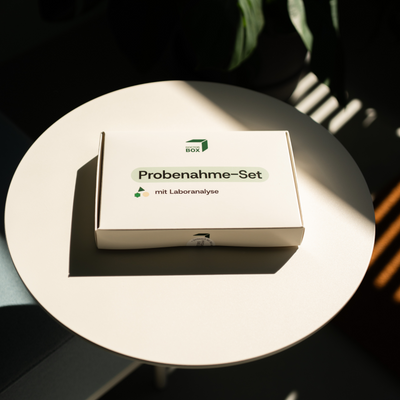
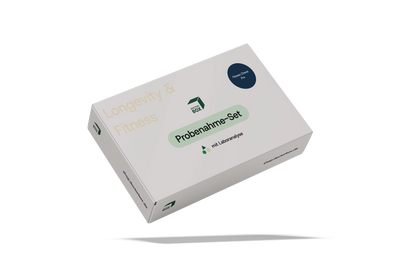
Fitness Check Pro – Your health and performance check for body & heart.
The Fitness Check Pro gives you comprehensive insights into your muscle an...
Analyse im Fachlabor
Diskrete Verpackung
Ergebnis in 72h
Equipment and gear
Table tennis requires little equipment – but the right gear makes a noticeable difference to control and enjoyment. Investing in a good racket is worthwhile for anyone who plays regularly.
The racket consists of wood (with possible inlays such as carbon) and rubber. The rubber is crucial for the playing characteristics: inverted rubbers (smooth surface) are standard for attacking play; outverted rubbers (pimples facing outwards) allow for special effects. The sponge thickness affects speed and control.
Pre-assembled rackets from a sports shop are sufficient for beginners, but their quality is limited. For regular play, a custom-built racket is recommended: the blade should be chosen according to your playing style, and the rubbers according to your needs. The combination can be individually tailored. Rubbers wear out and must be replaced regularly (every 6-12 months with active play).
The ball is standardized: 40+ mm in diameter, 2.67-2.77 grams, white or orange. Plastic balls have replaced the old celluloid balls. The quality varies; for competition, ITTF-approved balls (three stars) are required.
The clothing is functional: sports shorts and a T-shirt or polo shirt. During competitions, there are regulations regarding colors (not white if the ball is white) and uniformity. Indoor shoes with light-colored, non-marking soles are standard.
A table tennis table for home use is a significant investment. Outdoor tables are weatherproof; indoor tables offer better playing characteristics. Foldable models allow for storage; folding half the table allows for solo practice.
Additional accessories include racket covers (protection), cleaning agents for rubbers, and replacement balls. Robots (ball machines) are an option for intensive training.
Table tennis in Germany
Germany is a table tennis nation with a strong tradition, a broad base, and successful national teams. The club structure is exceptionally well-developed, and the sport offers opportunities at all levels – from hobby players to Bundesliga professionals.
The German Table Tennis Federation (DTTB) is one of the largest sports federations in Germany, with over 500,000 members in approximately 9,000 clubs. Its structures are professional, competitions are well-organized, and table tennis is one of the sports with the most members in the country.
The Bundesliga for men and women is the highest league with professional teams and international stars. German players like Timo Boll have reached world-class level and are among the best outside of China. The league attracts top players from all over the world.
The club scene is dense and diverse. Almost every town has a table tennis club – often as a section of larger sports clubs. The atmosphere is typically open and welcoming. Membership fees are moderate, and the community is active.
The league system ranges from the Bundesliga through regional and state leagues down to district leagues. Almost everyone can compete at their own level. The team matches – typically held in the evenings during the week – are both social and competitive.
There are many leisure activities available outside of clubs. Public tables in parks, schools, and youth centers allow for spontaneous play. Pubs and bars with table tennis tables are popular meeting places in some cities. The social sports scene offers organized recreational leagues.
Game types and styles
Table tennis encompasses various playing styles, each utilizing different skills and equipment. Understanding these styles helps players find their own approach and analyze their opponents.
The offensive player seeks to attack. Topspin shots, aggressive returns, fast pace – the offensive style actively tries to win the point. The equipment (fast blades, grippy rubbers) supports the attack. Most modern top players are offensive players. The style requires good footwork, technical versatility, and mental strength for a consistent attack.
The defensive player forces the opponent to make mistakes. Using underspin shots (push shots) and occasional counterattacks, the opponent is frustrated. This style requires patience, excellent footwork, and the ability to play from difficult positions. While less common in modern table tennis, this defensive style remains effective at a high level.
The all-rounder combines offensive and defensive elements. He adapts to the opponent – defensively against strong attackers, offensively against weaker ones. This style requires versatility and tactical understanding. Many amateur players develop into all-rounders.
The player who uses specialized rubbers employs unusual effects. Rubbers with pimples on the outside (short or long pimples), anti-spin rubbers – these materials create unexpected ball trajectories and spins. This style is disruptive for opponents, but requires individual adaptation and is becoming less common at the highest levels.
Your personal style develops over time. Beginners should learn the basics before specializing. Physical attributes, personality, and preferences all influence which style suits you best. A good coach can help with this development.
Your introduction to table tennis – practical tips
Getting started in table tennis is incredibly easy. The availability of tables, affordable equipment, and a welcoming community make it straightforward. With a few practical steps, you'll find your way into the sport.
Find opportunities to play. Public tables in parks, schools, or youth centers allow for spontaneous play. Clubs offer structured training and league matches. The websites of the German Table Tennis Association (DTTB) and the regional associations have club directories. Many clubs offer introductory sessions or open training sessions.
Start with a decent racket. The cheapest department store rackets are frustrating; an entry-level racket for 30-50 euros is much more fun. The club can often lend rackets or give recommendations. Stay away from overly fast professional equipment at the beginning – control is more important.
Learn the basic technique. Racket grip, stance, the first shots (counter, simple topspin, push) – the basics should be learned correctly from the start. A coach or experienced player can help avoid bad habits. YouTube tutorials can supplement this.
Play a lot, but also practice with specific skills. Free play is fun and develops a feel for the game. But targeted drills (diagonal forehand counters, serve practice) build specific abilities. The right mix is what leads to progress.
Accept the learning curve. Table tennis looks simple, but it has enormous depth. Reading spin, playing consistently, performing under pressure – all of that takes time. Progress happens when you stick with it.
Enjoy the community. Table tennis clubs are often like families. Shared training sessions, team matches, and club celebrations are all part of the experience. The sport connects people of all ages – from children to seniors.
Häufig gestellte Fragen
Table tennis is an underrated workout. An hour burns 200-400 calories, depending on the intensity. The sport trains reaction time, coordination, footwork, and, to a lesser extent, endurance. The fast movements and constant activity make it more effective than it looks. While less suitable for weight loss or muscle building, table tennis is excellent for general fitness, agility, and brain training.
For beginners, an all-round racket in the €30-€60 range is recommended. Pre-assembled rackets from specialist retailers or pre-configured beginner sets are good options. Important: Don't go too fast (control is key), and don't buy something too cheap (it'll only lead to frustration). Avoid department store rackets under €15 – they are often unplayable. The club can offer recommendations or lend rackets to try out.
Shakehand grip (like shaking hands) is standard in Europe – the racket rests in the hand like an extension of the arm. Penhold grip (like holding a pen) is traditionally Asian – the racket is held between the thumb and forefinger. Both have advantages and disadvantages: Shakehand is more versatile on the backhand; penhold allows for faster wrist movements on the forehand. For beginners, shakehand is more intuitive and recommended.
China's dominance has several reasons: massive state support for decades, a table tennis culture with hundreds of millions of players, a ruthless selection system that produces the very best, and generations of training expertise. Table tennis is the national sport in China; the best talents are identified early and systematically developed. Other nations are catching up, but China's infrastructure and tradition are difficult to replicate.
Spin is fundamental in modern table tennis. Rotation influences how the ball flies, bounces, and behaves. Topspin (forward rotation) makes the ball dive and bounce quickly; backspin keeps it low; sidespin changes its direction. Reading your opponent's spin and generating your own are core skills. Spin is less prominent at the beginner level, but it becomes essential as the player's skill level increases.
Yes, to a limited extent. On a folding table, one half can be raised to bounce the ball back. Ball machines (robots) allow for targeted stroke practice without a partner. Serving practice is possible alone. Shadow training (movements without a ball) improves footwork. But for complete development, you need a playing partner – the interaction and unpredictability are irreplaceable.
The German Table Tennis Federation (DTTB) and the regional associations maintain club directories on their websites. A Google search for 'table tennis [city name]' often leads directly to local clubs. MyTischtennis.de is a platform for the table tennis community. Most clubs offer open training sessions where interested individuals can try it out. A phone call or email is usually sufficient for initial contact.
Children can start playing table tennis from the age of 5 or 6 – as soon as they are tall enough to reach the table. For competitive ambitions, starting early is advantageous, as it fosters the development of coordination skills. However, table tennis is one of the few sports that can be started and enjoyed at any age. Table tennis for seniors is active; the sport is easy on the joints and keeps the mind sharp. It's never too late to start.
For noticeable progress, two to three training sessions per week are recommended. Once a week is sufficient for maintenance, but not for significant improvement. Quality is more important than sheer quantity – focused training with an emphasis on technique is more effective than hours of aimless play. For ambitious players at a competitive level, four to six sessions per week are typical. Additional fitness training supports development.
Table tennis is an affordable hobby. Club membership fees typically range from €60 to €150 per year. A decent beginner's racket costs €30 to €60; high-quality rackets for intermediate players cost €100 to €200 (blade plus rubbers). Rubbers need to be replaced every 6 to 12 months (€30 to €80). Balls and clothing are inexpensive. Overall, table tennis is one of the most affordable sports – the main investment is time for practice.
Bereit für den nächsten Schritt?
Du hast jetzt alle wichtigen Informationen. Sorge für deine Gesundheit mit einem zuverlässigen Heimtest.