Skip to content

Fall prevention & bone strength

How to strengthen bones, improve balance and effectively prevent falls in old age

Falls are one of the most common causes of hospitalizations and the need for care in old age – yet up to 50% of all falls are preventable . With increasing age, the risk of falls and their consequences, such as fractures, rises considerably. This comprehensive guide shows you how targeted balance and strength training, optimal bone health, and clever home modifications can effectively minimize your risk of falls and maintain your mobility in the long term.

The underestimated risk: Why falls are so dangerous

A stumble, a brief moment of unbalance – for younger people, usually without consequences. But with increasing age, such moments can be life-changing. Falls are far more than just 'unpleasant accidents' – they are a serious health risk that is dramatically underestimated in our society. While we fear heart attacks, cancer, and other serious illnesses, very few people consider that a simple fall can completely alter their lives.

The statistics are sobering and should serve as a wake-up call: Approximately one-third of people over 65 fall at least once a year. For those over 80, this figure rises to almost half. Of these falls, 20-30% result in injuries requiring medical treatment – ​​from bruises and sprains to life-threatening fractures. The most frequent and feared serious consequence is a hip fracture – every year, over 150,000 people in Germany suffer such a fracture. The economic costs of falls among the elderly are estimated at several billion euros annually, not to mention the personal suffering involved.

The spiral after the fall

The consequences of a fall extend far beyond the immediate physical injury. Many people who have fallen develop a pronounced fear of falling – medically termed 'post-fall syndrome'. This fear leads them to move less, for fear of falling again. Some hardly dare to leave the house, avoid stairs, or give up activities they previously enjoyed. The fatal consequence: less movement inevitably leads to muscle atrophy and poorer balance, which further increases the risk of falling. A vicious cycle ensues, progressively restricting mobility and independence and severely impacting quality of life.

The figures following a hip fracture are particularly alarming: only about 40% of patients return to their previous mobility. 20-30% become permanently dependent on care and can no longer return to their own homes. The mortality rate in the year following a hip fracture is 20-30% – higher than for many types of cancer. This high mortality rate is explained by the often lengthy hospital stays, complications such as pneumonia and thrombosis, as well as the general physical decline during bed rest.

The good news

This grim statistic is not inevitable – and therein lies the opportunity. Extensive research over the past decades clearly shows that targeted prevention can reduce the risk of falls by an impressive 30-50%. This is one of the most effective preventative measures known in medicine. The strategies are well-established and scientifically proven effective: Targeted strength and balance training comes first, followed by optimizing bone health through vitamin D and calcium. Equally important are the critical review of medications that can increase the risk of falls, as well as modifying the living environment to eliminate tripping hazards. And let's not forget correcting vision and hearing problems, which often go undetected and contribute to the risk of falls.

Fall prevention isn't passively hoping for luck – it's actively shaping your health with measurable results. To a large extent, you control whether you remain fall-free and mobile as you age. This guide provides you with all the tools you need.

Understanding risk factors

Falls rarely have a single cause – they usually result from the interplay of several factors that reinforce each other. Scientists distinguish between intrinsic (physical, internal) and extrinsic (external, environmental) risk factors. The more of these factors are present in a person, the higher their individual risk of falling increases exponentially. The good news is that many of these factors can be influenced or at least mitigated.

Intrinsic risk factors

Muscle weakness: The muscles of the lower extremities play a particularly crucial role. Weak thigh and calf muscles not only impair stability when standing and walking, but above all, the ability to quickly recover from slips or stumbles. From the age of 50, without targeted training, we lose about 1-2% of our muscle mass per year – a process that accelerates after 70. However, this age-related sarcopenia is not inevitable: strength training can not only stop muscle loss, but even reverse it.

Balance problems: Our balance system is a complex interplay of various senses and reflexes that naturally declines with age. The vestibular system in the inner ear becomes less sensitive, proprioception (the perception of one's own body position in space) diminishes, and the reaction speed of compensatory muscle activations slows down. Without targeted training, this decline accelerates, but balance can be trained well into old age.

Gait disturbances: Changes in gait pattern are an important indicator of an increased risk of falls. Shorter steps, a shuffling gait with reduced foot lift, an unsteady gait with a wide stance, or difficulty turning – all these patterns significantly increase the risk of tripping and falling. Gait analysis can identify such patterns and enable targeted interventions.

Vision problems: The eyes provide vital information for our balance and spatial orientation. Reduced visual acuity, problems with depth perception, decreased contrast sensitivity (important for stairs and uneven floors), and visual field restrictions significantly increase the risk of falls. A shockingly large number of older people don't wear glasses or wear them with outdated prescriptions – a risk that can be easily remedied.

Medications: Many common medications increase the risk of falls as a side effect – especially tranquilizers (benzodiazepines), sleeping pills, antidepressants, blood pressure lowering medications (which can cause orthostatic hypotension), neuroleptics, and opioid painkillers. Interactions with multiple medications (polypharmacy), which is common in older adults, are even more dangerous.

Chronic diseases: Many chronic diseases directly or indirectly increase the risk of falls: Parkinson's disease (balance disorders, muscle stiffness), stroke sequelae (hemiplegia, balance disorders), diabetes mellitus (peripheral neuropathy with sensory disturbances in the feet), arthritis (pain and restricted movement), cardiac arrhythmias (can lead to brief fainting spells), and cognitive impairments such as dementia (impaired attention and risk assessment).

Extrinsic risk factors

The environment plays an often underestimated role in falls. Approximately 30-50% of all falls are attributable to environmental factors – and these are often relatively easy to remedy. Loose rugs without a non-slip backing, slippery floors (especially in bathrooms and kitchens), poor lighting (too dark, glare, lack of night lighting), missing handrails on stairs and in bathrooms, loose cables and tripping hazards, unsuitable footwear (too loose, too slippery, heels too high), and a lack of assistive devices such as glasses or walking aids – all of these are avoidable risk factors. A systematic fall prevention walkthrough of your home can save lives.

Bone health: The basis for fall resilience

Not every fall results in a fracture – and this is a crucial aspect of prevention. Bone health significantly determines how well the body withstands an impact. Strong, dense bones are a lifeline against the most serious consequences of falls. While we can't prevent every fall, we can certainly take steps to ensure that a fall doesn't necessarily lead to a broken bone.

Understanding Osteoporosis

Osteoporosis – literally ‘porous bones’ – is a systemic skeletal disease in which bone mass decreases and the microarchitecture of bone tissue is disrupted. The result: brittle bones that can fracture even under minimal stress. The disease is alarmingly widespread: approximately 30% of women and 7% of men over 50 are affected. In postmenopausal women, the risk increases dramatically due to the decline in bone-protecting estrogen.

Bone is not a static tissue, but is constantly being remodeled – old bone substance is broken down and new bone is built up. In osteoporosis, bone resorption predominates, the bone becomes less dense and structurally weaker. The internal structure, which normally resembles a stable framework of fine bone trabeculae, becomes porous and fragile. What would be a harmless impact for a healthy bone can cause an osteoporotic bone to fracture – sometimes even lifting a shopping bag or a strong sneeze is enough.

The insidious thing about osteoporosis is that the disease is painless and often goes undetected for decades – until the first fracture. Many people only become aware of their bone disease after a fracture. Particularly feared are vertebral fractures (which are often only noticed due to an increasing rounded back), wrist fractures (typically caused by a fall onto an outstretched hand), and especially hip fractures with their serious consequences.

Maintain and build bone density

Weight-bearing training: Bones are remarkably adaptable – they respond to the stresses they are subjected to. This principle, known as Wolff's Law, means that when bones are stressed, they build up; without stress, they break down. Astronauts lose up to 1-2% of bone mass per month in weightlessness – an extreme example of this principle.

Weight-bearing activities are crucial for bone development: walking, Nordic walking, jogging (with sufficient fitness), dancing, climbing stairs, and strength training. Bones must support body weight and work against gravity. Swimming and cycling are excellent for endurance and easy on the joints, but they don't provide enough stress on the bones to stimulate bone growth.

Strength training: Muscle contractions exert tensile forces on the bones via the tendon attachments – this stimulates the bone-building cells (osteoblasts). Regular strength training is one of the most effective interventions for bone health, even in old age. Studies show that even 80-year-olds can still build bone mass through strength training.

Impact activities: Controlled impact activities such as jumping, brisk walking, step aerobics, or skipping rope are particularly effective for bone formation – they create short, intense peak loads to which the bones react strongly. However, in cases of existing osteoporosis, such activities should only be performed after medical consultation and under supervision to avoid increasing the risk of fractures.

Nutrients for strong bones

Calcium: The main building block of bones – about 99% of the body's calcium is stored in bones and teeth. The recommended daily intake is 1000-1200 mg. Good sources include dairy products (cheese, yogurt, milk), leafy green vegetables (broccoli, kale, arugula), fortified plant-based drinks, mineral water with a high calcium content, and supplements if needed. Important: Calcium should be consumed throughout the day, as the body can only effectively absorb about 500 mg at a time.

Vitamin D: Essential for calcium absorption in the intestines and its incorporation into bones. Without sufficient vitamin D, the body cannot utilize calcium – no matter how much you consume. In Central Europe, 50-60% of the population has suboptimal vitamin D levels during the winter; the rate is even higher among older people. Supplementation is often necessary and beneficial.

Protein: Bones are not just made of minerals – about a third of the bone matrix consists of collagen, a protein. Sufficient protein intake (about 1-1.2 g per kg of body weight) supports bone structure and is particularly important in old age, when protein utilization becomes less efficient.

Vitamin D: The underestimated bone protector

Vitamin D plays such a crucial role in fall prevention that it deserves its own section – yet it is often overlooked or underestimated in practice. This special vitamin (actually a prohormone) directly influences not only bone health but also muscle strength and balance. It thus acts as a dual protective factor: it strengthens bones in case of a fall and simultaneously reduces the risk of falling itself.

Why Vitamin D is so important

Vitamin D is key to calcium absorption. It enables the absorption of calcium from food in the intestines and regulates its incorporation into bones. Without sufficient vitamin D, the body cannot absorb enough calcium – even if you drank liters of milk every day. The result of this deficiency is paradoxical and dangerous: To maintain the vital calcium level in the blood, the body draws calcium from its largest reserve – the bones. Thus, the bones become victims of a supposed protective measure and progressively weaken.

Less well-known, but equally important for fall prevention: Vitamin D directly influences muscle function via specific receptors in muscle cells. Low vitamin D levels, independent of their effect on bones, are associated with muscle weakness, gait disturbances, and an increased risk of falls. Meta-analyses show that vitamin D supplementation can reduce the risk of falls by approximately 20% – an effect that occurs after just a few weeks, long before changes in bone density would be measurable.

The shortage problem

Vitamin D levels in Germany are alarmingly low. In winter, 50-60% of the population have suboptimal levels (below 50 nmol/L or 20 ng/mL). Among older people, who spend less time outdoors, whose skin produces vitamin D less efficiently, and whose kidneys activate the vitamin less effectively, the deficiency rate is significantly higher – estimates range from 80-90%.

Signs of vitamin D deficiency can be varied and nonspecific: chronic fatigue and exhaustion, general muscle weakness, especially in the legs, diffuse bone pain (often misinterpreted as 'rheumatism'), frequent upper respiratory infections, depressive moods, particularly in winter, and impaired wound healing. The insidious thing is that a deficiency often remains completely asymptomatic while silently and insidiously weakening bones and muscles. Therefore, a blood test is the only reliable way to know your vitamin D status.

Ensuring optimal care

Sunlight: The skin produces vitamin D when exposed to direct UV-B radiation – an ingenious adaptation of our ancestors who spent a lot of time outdoors. In Germany, however, this natural production is only effective from about April to September, and even then only under certain conditions: midday (between 10 a.m. and 3 p.m.), sufficient skin area uncovered (at least forearms and face), and no sunscreen for the first 15-20 minutes. In winter, the sun is too low in the sky – even on clear days, not enough UV-B radiation reaches the skin.

Diet: Fatty fish such as salmon, mackerel, herring, and eel, egg yolks, cod liver oil, and fortified foods contain vitamin D – but usually not nearly enough to meet the body's needs. A serving of salmon provides about 400–600 IU, but the daily requirement is at least 800 IU, and often 1000–2000 IU for older people or those with a deficiency. Sufficient intake through diet alone is practically impossible.

Supplementation: For many people, especially older adults, supplementation is the most sensible and effective option. The German Nutrition Society recommends 800 IU daily for those unable to synthesize vitamin D naturally; many experts consider higher doses of 1000-2000 IU more beneficial, particularly in cases of existing deficiency. Vitamin D is fat-soluble and should therefore be taken with a meal containing fat. An initial test will determine your baseline level and allow for targeted, individually tailored dosing. Follow-up tests after 3-4 months can monitor the effectiveness of the supplementation.

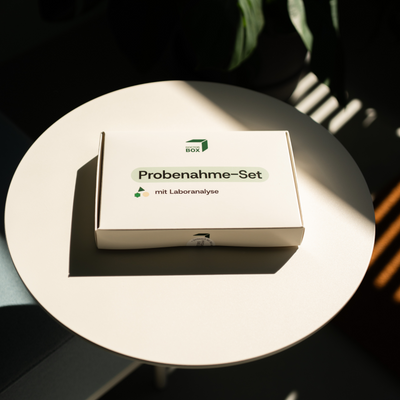
Empfohlener Heimtest

Produkt: vitamin D test

Analyse im Fachlabor
Diskrete Verpackung
Ergebnis in 72h

Balance training: The most effective way to prevent falls

Of all fall prevention measures, balance training is the most effective single intervention – numerous scientific studies clearly demonstrate this. Meta-analyses document risk reductions of 30-50% through regular balance training. These figures are impressive and far surpass many drug-based interventions. Best of all: balance training is easy to learn, free, requires no equipment, and can be done anywhere – in your own home, in the garden, in the park, or in a waiting room.

How balance works

Balance is far more than just 'not falling over' – it's a complex interplay of several systems that constantly communicate and complement each other. The vestibular system in the inner ear is the actual sense of balance: Tiny hair cells register head movements and position in space. Proprioception – often referred to as the 'sixth sense' – tells the brain where the feet, legs, and the entire body are located in space. Special receptors in joints, muscles, and tendons are responsible for this. Vision provides visual orientation: Horizon lines, spatial contours, and the surface texture help the brain determine body position. And finally, the muscles must react to all this information with lightning-fast, compensatory movements.

All these systems decline with age – the vestibular system becomes less sensitive, proprioception deteriorates, vision diminishes, and muscle reaction speed decreases. The crucial point is that all these systems are trainable, and the remaining systems can be trained to compensate for deficits in other areas. A person with poor vision can learn to rely more heavily on proprioception and the vestibular system.

Simple daily exercises

Single-leg stand: The basic exercise for balance and a good self-test at the same time. Stand next to a chair or a wall (for support if needed, but try to stand freely). Lift one leg slightly so that your foot leaves the ground and balance. The goal: 30 seconds per side without holding on. Too easy? Increase the challenge: Close your eyes (be careful, this is significantly harder!), stand on a cushion or a folded blanket, or move your arms and head while balancing. Too difficult? Hold on to something at first and gradually reduce the support.

Heel-toe walking (tandem walking): Walk along an imaginary line – place the heel of one foot directly in front of the toes of the other. Balance as if on a rope. This exercise particularly trains lateral stability, which is often required in everyday life, for example when avoiding obstacles. Start with short distances and initially hold onto a wall.

Walking backwards: Walk slowly and with control backwards in an open space. This unfamiliar direction of movement requires different muscle chains and coordination patterns than walking forwards. It intensively trains proprioception, as you cannot rely on visual information about the ground. Initially, practice in a familiar, obstacle-free area.

Sidesteps: Walk sideways by crossing your feet – once in front of, once behind your standing leg. This exercise trains lateral stability and coordination, important for changing direction and avoiding obstacles in everyday life.

Advanced challenges

Once you've mastered the basics, you can systematically increase the difficulty: Exercises on soft, unstable surfaces (cushions, balance pads, folded towels, foam mats) challenge your balance system more because the surface gives way. Dual-task training combines balance with cognitive tasks: Stand on one leg and count backward from 100, or catch a ball while balancing. In everyday life, we often have to balance and think simultaneously—for example, while walking and talking on the phone. Exercises with your eyes closed (always with safety equipment!) eliminate visual feedback and force your vestibular system and proprioception to work harder.

Structured programs like Tai Chi or Qigong are well-researched and demonstrably effective in preventing falls. The slow, flowing movements train balance, coordination, and strength simultaneously and are also suitable for beginners and people with disabilities.

How often should you train?

Five to ten minutes of balance exercises daily is ideal – short enough to fit into any day, long enough for measurable results. These exercises are easy to integrate into your daily routine without having to schedule extra 'training time': Stand on one leg while brushing your teeth (two to three minutes morning and evening!), lift your heels while waiting for the kettle to boil, or walk in tandem from the living room to the kitchen. These 'hidden' workouts add up throughout the day and quickly become a habit.

Strength training for fall prevention

Strong muscles – especially in the legs and core – are an essential pillar of fall prevention. Muscles fulfill several protective functions: they keep you upright against gravity, enable quick corrective movements if you lose your balance, can often prevent an incipient fall through rapid reflexes, and if a fall does occur, well-trained muscles can cushion the impact and protect against serious injuries. Strength training is not a matter of age – studies show that even 90-year-olds can still achieve significant strength gains.

The most important muscle groups

Thigh muscles: The quadriceps (front of the thigh) and the hamstrings (back of the thigh) are the central muscles for mobility and stability. They support you when walking, enable you to climb stairs, are responsible for getting up from a seated position, and play a critical role in preventing falls. Weakness in these muscles is one of the strongest predictors of falls. The quadriceps allows the knee to extend and decelerate while walking; the hamstrings flex the knee and stabilize the pelvis.

Gluteal muscles: The gluteus maximus (the large gluteal muscle) is the strongest muscle in the body and essential for hip stability, upright posture, and powerful walking. The smaller gluteal muscles (gluteus medius and minimus) stabilize the pelvis when standing on one leg – that is, with every step we take. Weakness in these muscles leads to a characteristic waddling gait and an increased risk of falls.

Calf muscles: The calves enable the push-off when walking (the final push that propels us forward) and are crucial for rapid balance corrections. If we are in danger of falling forward, it is the calf muscles that bring us back upright through rapid contraction. With age, the calf muscles often atrophy unnoticed, leading to shorter strides and an unsteady gait.

Core muscles: The muscles around the abdomen and lower back stabilize the spine and enable an upright posture. A strong core is the foundation for all other movements – it transfers forces between the upper and lower body and keeps us balanced. Weak core muscles lead to a stooped posture, back pain, and restricted mobility.

Foot muscles: Often completely overlooked, but immensely important. The small muscles in the feet stabilize the foot when walking, adapt to uneven surfaces, and provide important sensory information about the ground. Walking barefoot and targeted foot exercises can strengthen these often-neglected muscles.

Effective exercises

Chair Stand: One of the most functional exercises of all – it trains the exact movement we constantly need in everyday life. Sit on a stable chair with your feet hip-width apart. Stand up without using your arms – using only the strength of your legs. Sit back down slowly and with control, without letting yourself fall. Repeat 10-15 times. Progression: Use a lower chair, hold weights (water bottles, dumbbells), or try the exercise on one leg.

Chair squats: Stand facing a sturdy chair with your feet shoulder-width apart. Squat down as if you were going to sit down, stopping just before your buttocks touch the chair, and then stand back up. The chair provides stability without the need for your arms. Make sure your knees don't extend beyond your toes and that your back remains straight.

Calf raises: Stand upright, holding onto a wall or chair if needed. Raise both heels so you are on your toes, hold briefly, and slowly lower again. 15-20 repetitions. Progression: Perform single-leg treble, with weights in your hands, or on a step with your heel dangling for a greater range of motion.

Lateral leg raise (hip abduction): Hold onto a wall or chair. Slowly raise one straight leg to the side without tilting your pelvis – about 30-45 degrees. Lower in a controlled manner. 10-15 repetitions per side. This exercise strengthens the lateral hip muscles, which are essential for stability while walking.

Bridge (Hip Thrust): Lie on your back with your knees bent, feet flat on the floor, and arms at your sides. Push through your heels and lift your pelvis until your knees, hips, and shoulders form a straight line. Hold for 3-5 seconds, then slowly lower. Repeat 10-15 times. This exercise strengthens your glutes, hamstrings, and lower back simultaneously.

Training recommendations

Ideally, you should perform these exercises 2-3 times per week, with at least one day of rest between sessions. Start with fewer repetitions and increase gradually. Quality over quantity – proper form is more important than a high number of repetitions. If you are unsure or have any pre-existing medical conditions, have a physiotherapist or trainer demonstrate the exercises for you.

Making the apartment fall-proof

Your own four walls should be a safe haven – but reality paints a different picture: 30-50% of all falls happen in our own homes, the place where we feel safest. It is precisely this familiarity that becomes a risk: we move automatically, don't pay attention to familiar obstacles, and underestimate dangers we see every day. The good news: many of these falls at home are preventable through relatively simple and inexpensive adjustments to the environment. A systematic 'fall prevention walkthrough' of your home can literally save lives.

General measures for the entire apartment

Lighting – light is safety: Sufficient brightness in all rooms and passageways is fundamental. Older eyes need more light – what seems bright to a 20-year-old may be too dim for a 70-year-old. Install light switches at the entrance to each room so you never have to walk through a room in the dark. Nightlights on the way from the bedroom to the bathroom are essential – nighttime trips to the toilet are a high-risk situation for falls. Motion-sensor-controlled lights in hallways and stairwells are a worthwhile investment. Also, ensure glare-free lighting and avoid strong light-dark contrasts, to which older eyes adapt more slowly.

Floors – the invisible danger: Loose rugs are one of the most common causes of falls – remove them or secure them with a non-slip underlay. No cables lying around – run them along the walls or under cable channels. Pay attention to non-slip surfaces, especially in bathrooms and kitchens, where moisture makes the floor slippery. Thresholds between rooms are treacherous tripping hazards – flatten them, mark them with high-contrast colors, or remove them if possible. Carpets are safer than smooth floors as long as they are not wavy or have worn areas.

Order – clear pathways: Keep all walkways consistently clear of objects, bags, and shoes. Frequently used items should be stored at an easily accessible height – not so high that you need a stool, not so low that you have to bend down excessively. Clean up after use – what's on the floor today will be a tripping hazard tomorrow. This tidying routine may seem tedious, but it quickly becomes a habit and greatly increases safety.

Bathroom – the most dangerous room

The bathroom is the ultimate high-risk area: wet, smooth surfaces combined with hurried movements (the urge to urinate!) and activities that require balance (getting in and out of the bath/shower, standing up from the toilet). Many serious falls happen here.

Non-slip mats in the shower and bathtub are essential – but be careful: the mats themselves must be securely fixed and must not create a tripping hazard. Grab bars by the bathtub, shower, and next to the toilet provide safety when getting in and out and when standing up. They should be professionally installed in a load-bearing surface, not with suction cups. A shower stool or shower seat allows you to shower while seated – not a sign of weakness, but of wisdom. A raised toilet seat makes getting up considerably easier and is particularly helpful for people with hip or knee problems.

Stairs – controlled risk

Stairs are a common place to fall, but manageable with the right precautions. Handrails on both sides provide safety – they should be securely mounted and extend the entire length of the stairs. Good lighting from above and below is essential, ideally without glare or shadows on the steps. High-contrast markings on the step edges (light stripes on dark steps or vice versa) make the edges visible and prevent missteps. Never place objects on stairs – not even 'for a moment'. If you become increasingly unsteady, a stairlift is a worthwhile investment in safety and independence.

Bedroom – safe nights

The bedroom presents particular risks due to nighttime journeys in the dark and the still-drowsy state of sleep. A nightlight or a light switch within easy reach of the bed ensures you can always get up in the light. A telephone (or mobile phone) next to the bed is essential in case of emergency. The bedside table should be sturdy and provide support. Ensure sufficient space around the bed – at least 60 cm on both sides. Never get up in the dark, even if it's just for a quick trip to the bathroom.

Use resources – be wise, not weak.

Using assistive devices is not an admission of weakness, but a sign of wisdom and self-care. A walking aid – be it a cane, a walker, or a rollator – provides security and enables mobility that might otherwise be impossible. Reaching aids for high shelves or deep drawers prevent risky movements. A personal emergency response system allows for rapid assistance in an emergency and also provides peace of mind for family members. These aids increase independence rather than restricting it.

Medication and risk of falls

Many common medications increase the risk of falls – often as a side effect that neither patients nor doctors adequately consider or communicate. Studies show that certain classes of medications can increase the risk of falls by 40-60%. A critical medication review should therefore be an integral part of any fall prevention strategy. This does not mean discontinuing necessary medications – but the risk of falls should be taken into account when prescribing and dosing them.

Overview of high-risk medications

Sedatives and sleeping pills: Benzodiazepines (such as diazepam, lorazepam, oxazepam) and the newer Z-drugs (zolpidem, zopiclone, zaleplon) are particularly problematic. They slow reaction times, impair coordination and balance, cause drowsiness, and can lead to confusion—especially in older people, who metabolize these substances more slowly. Studies show a 40–60% increase in the risk of falls. The effect often lasts until the next day (the "hangover effect"), so morning falls are also more common. Many older people take these medications for years—even though they are only approved for short-term use.

Antidepressants: Many antidepressants increase the risk of falls, albeit through different mechanisms. SSRIs (selective serotonin reuptake inhibitors such as citalopram, sertraline, and fluoxetine) can lead to hyponatremia (low sodium levels), which causes dizziness and confusion. Tricyclic antidepressants (such as amitriptyline) have strong sedative and anticholinergic effects that impair balance and reaction time. Mirtazapine causes significant drowsiness. The increased risk ranges from 20% to 70%, depending on the specific drug.

Blood pressure medication: Many blood pressure medications can lead to orthostatic hypotension – a drop in blood pressure upon standing, which can cause dizziness and brief loss of consciousness. This is particularly risky with aggressive blood pressure control, combinations of several blood pressure medications, dehydration, or on hot days. Alpha-blockers (also used for prostate problems) and diuretics ("water pills") are especially problematic.

Neuroleptics/antipsychotics: These medications, often used to calm dementia patients, significantly increase the risk of falls – by up to 100%. They cause sedation, muscle stiffness, movement disorders, and orthostatic problems. Their use in older adults should be critically examined.

Opioid painkillers: Strong painkillers such as tramadol, tilidine, morphine, or oxycodone have sedative effects and significantly impair coordination and reaction time. The initial phase of treatment or dose increases are particularly dangerous, when the body has not yet adjusted.

Other problematic substances: Antiepileptic drugs (gabapentin, pregabalin), certain antihistamines (especially the older, sedating ones), muscle relaxants, and some Parkinson's medications can also increase the risk of falls.

Polypharmacy – the multiple problem

Polypharmacy refers to the simultaneous use of five or more medications – this is alarmingly common among older adults. Each additional medication increases the risk of falls by approximately 14%. With ten medications, this adds up to a significant increase in risk. Even more problematic are the interactions: Two medications that are harmless on their own can become dangerous when combined. For many medications, even doctors are not aware of all possible interactions. Regular review by a doctor or pharmacist is therefore essential.

What can you do?

The most important thing: communication with your doctor. Actively bring up the topic of fall risk – many doctors don't automatically think of it. Ask specifically about every new medication: "Could this affect my balance or my awareness?" Inform your doctor about all medications you take – including over-the-counter and herbal remedies. Have your medications reviewed regularly to ensure they are still necessary – sometimes medications are taken for years even though the original reason for them no longer exists. Ask if dosages can be adjusted or if alternatives with a lower risk of falls can be found. Inform your doctor about falls or near misses – this can be relevant for adjusting your medication. And never stop taking medication on your own – this can be dangerous. But don't hesitate to ask critical questions either.

Sight, hearing, touch: Optimizing sensory systems

Our balance isn't a single sense, but rather the result of a complex integration of various sensory information: what we see, what the inner ear reports about movement and position, and what the nerves in our feet and legs tell us about our body position and the ground beneath us. Only when all this information comes together and is processed by the brain can we stand and walk safely. Impairments in any of these systems increase the risk of falls—but they can often be corrected or compensated for. This section shows you how to make the most of and support your sensory systems.

Vision – more than visual acuity

Vision provides the brain with approximately 80% of the information it needs for spatial orientation. With age, vision typically deteriorates on several levels, all of which are relevant to fall prevention:

Visual acuity decreases – fine details become blurry, and small obstacles on the ground are overlooked. Contrast perception diminishes – steps, curbs, or uneven surfaces are harder to see, especially in poor lighting. Depth perception (stereo vision) becomes less precise – distances are misjudged, and steps appear higher or lower than they actually are. Adaptation to changes in brightness slows down – when entering a dark room or stepping out into bright sunlight, the eyes take longer to adjust. Visual field restrictions mean that obstacles in the peripheral vision are missed.

Measures: Regular eye examinations (at least annually from age 60, every six months if you have pre-existing conditions) by an ophthalmologist – not just an optician. Your glasses should be up-to-date; many people wear glasses with outdated prescriptions because they don't notice the gradual deterioration of their vision. Progressive lenses can be problematic when climbing stairs because the lower portion (near vision) distorts the image – consider using separate reading and distance glasses. Cataract surgery often dramatically improves vision and has been proven to reduce the risk of falls by about 30%. Glaucoma and macular degeneration should be treated and monitored.

Hearing – the underestimated factor

At first glance, hearing seems to have little to do with balance – but the connection is well-documented scientifically. Hearing loss is associated with an increased risk of falls, independent of other factors. The reasons are manifold:

The auditory and vestibular systems are both located in the inner ear and share some of the same structures – degeneration often affects both systems. Hearing loss leads to cognitive overload: when the brain has to devote more resources to understanding speech, fewer resources remain for balance control. People with hearing loss have reduced environmental awareness – they don't hear warning signals, approaching vehicles, or people in time. Social isolation due to hearing loss can lead to less exercise and thus muscle atrophy.

Measures: Hearing tests if hearing loss is suspected – many people don't notice their hearing impairment or downplay it. Use hearing aids when recommended – modern hearing aids are small, powerful, and often subsidized by health insurance. They not only improve communication and quality of life but can also reduce the risk of falls.

Proprioception – the hidden sense

Proprioception is our 'sixth sense' – the unconscious perception of our body's position in space. Special receptors in joints, muscles, tendons, and skin continuously send signals to the brain about the location of our body parts and the forces acting upon them. The nerves in our feet and legs are particularly important: they signal whether we are standing on level or uneven ground, whether the surface is firm or yielding, and enable lightning-fast adjustments.

Several conditions can impair proprioception: Diabetic neuropathy leads to numbness and sensory disturbances in the feet – one of the main reasons why diabetics have a significantly increased risk of falls. Vitamin B12 deficiency can lead to peripheral neuropathy, as can circulatory disorders and some medications. The result is a feeling of 'unsteady footing,' as if walking on cotton wool.

Measures: Treat underlying conditions – good blood sugar control in diabetes, B12 supplementation in case of deficiency. Walking barefoot on various surfaces (grass, sand, pebbles, carpet) trains foot sensory perception and stimulates the remaining receptors. Well-fitting shoes with soles that are neither too thick nor too soft preserve the sense of the ground – some modern shoes insulate the feet so much from the ground that important sensory information is lost. Balance exercises on different surfaces train the brain to cope even with reduced proprioceptive information.

Correct behavior: Avoiding falls in everyday life

Even with optimal fitness, perfect home modifications, and the best possible medical care, the most important factor in fall prevention remains our own behavior. Most falls don't happen during extraordinary activities, but during everyday tasks – often in moments of inattention, haste, or overconfidence. This section shows you which behaviors can reduce your risk of falling and how you can develop safe habits.

Stand up slowly – avoid orthostatic hypotension

One of the most common causes of falls in older people is a sudden drop in blood pressure upon standing, medically known as orthostatic hypotension. When lying down, blood is distributed evenly throughout the body; when standing up quickly, it temporarily pools in the legs, and the brain receives less blood – leading to dizziness, blurred vision, and in severe cases, fainting.

With age, the regulatory mechanisms that compensate for this drop in blood pressure become slower and less effective. Many medications (blood pressure lowering drugs, diuretics, sedatives) exacerbate the problem. The risk is particularly high in the morning after waking up and at night when going to the bathroom.

The solution: Take your time. From a lying position, first sit on the edge of the bed, stay there for 30 seconds, and move your feet up and down. Then slowly stand up and hold onto the edge of the bed or a stable piece of furniture for another 10-20 seconds before you start walking. This simple routine takes less than a minute and can be lifesaving.

Use good lighting

Many falls happen at dusk or in the dark – partly because obstacles are not visible, partly because the balance system has less visual information available in poor lighting. Nevertheless, many people habitually forgo turning on the lights.

Recommendations: Turn on the light, even if you're just going into a room for a minute. Use nightlights for trips to the bathroom – either with a motion sensor or a fixed light. Keep a flashlight handy by your bed. Wear your glasses when going out at night, if you need them. Avoid fumbling for the light switch in the dark – a switch right by the bed or voice control is better.

Suitable footwear

Inappropriate footwear is involved in numerous falls – shoes that are too wide and slip around the foot; shoes with smooth soles that slide on tiles; high heels that shift the center of gravity unfavorably; open slippers that one slips out of.

Ideal features: Secure fit (closed heel, laces, or Velcro closure). Non-slip sole with good tread, not too thick (for good ground feel). Low, wide heel (under 3 cm). Sufficient toe room. Easy to put on and take off (for older people with back problems, shoes that don't require bending). Indoors, slippers with a closed heel are preferable to flip-flops or mules – or barefoot with non-slip socks on smooth floors.

Accept and use assistive devices

A common psychological obstacle to fall prevention is the reluctance to use assistive devices: "I don't need a cane yet, I'm not old." This thinking is understandable, but dangerous. A walking stick or a rollator is not a sign of weakness, but a smart tool that provides security and enables movement. People who forgo assistive devices out of misplaced pride often move less because they feel insecure – and thus accelerate physical decline.

A change of perspective: Imagine a walking stick like reading glasses – no one would be ashamed to wear glasses if they couldn't read without them. The decision to use a walking aid should be just as rational. Modern walking sticks and rollators are often elegantly designed and individually adjustable. The correct adjustment (height) and a brief instruction on how to use them are important – ask your doctor or physiotherapist.

Avoid multitasking

The brain has limited capacity. If you're on the phone while walking, thinking about something else, or carrying objects that obstruct your view or block both hands, you have less attention available for the act of walking itself. In young, healthy people, the automatic balance system easily compensates for this distraction. However, with age, balance control becomes more conscious and requires more attention – and distractions become more dangerous.

Practical consequence: Don't use your phone or read on stairs. Carry heavy or bulky objects through several flights of stairs or get help. If you're unsure, stop to talk or think, then continue. This may sound excessive, but it's an important principle with sound medical evidence.

Avoid haste

'I need to quickly reach the phone,' 'I just need to...' – thoughts like these precede many falls. Time pressure leads to rushing to get up, walking quickly without assistance, and taking shortcuts over obstacles. The risk of falling increases dramatically.

The solution: Position your phone so you can easily reach it without jumping up. Plan enough time for activities. Accept that some things can wait – it's better to miss a call than to end up in the hospital. When visiting someone or in an unfamiliar place, be especially careful and take time to observe your surroundings.

Accept help

In some situations, accepting help is the best way to prevent falls: when carrying heavy shopping bags, working on ladders, or during activities that push you to the limit of your abilities. This isn't a weakness, but rather a smart assessment of risk. Many falls happen because people try to do something alone that would be safer with someone else.

Sicherheit durch Testen

Jetzt wo du die Symptome kennst: Verschaffe dir Klarheit mit einem diskreten Heimtest.

For the vitamin D test

Häufig gestellte Fragen

Prevention is always good – the earlier, the better. Active fall prevention is recommended from around age 50. From age 65, the risk of falling increases significantly, and structured measures become more important.

No! Prevention is especially important after a fall, as the risk of further falls is increased. Balance and strength can be improved at any age. Talk to your doctor about a structured program.

Highly effective! Studies show risk reductions of 30-50% through regular balance training. It is the single most effective measure for fall prevention.

That depends on your current levels. Generally, 800-2000 IU daily is recommended for older adults. A test will show your status and allow for targeted dosing.

Yes, absolutely! Especially if you're taking multiple medications or have already fallen. Ask about side effects that increase your risk of falls and alternatives.

No – they are a sign of intelligence. Using a walking aid when it helps is not a sign of weakness, but rather fall prevention. Many people wait too long and fall unnecessarily.

Very important. 30-50% of falls happen at home. Simple changes (better lighting, grab bars, non-slip mats) can significantly reduce the risk.

Stay calm and check for injuries. If you suspect a fracture or head injury, call for help and do not get up. Even after minor falls, inform a doctor – falls can indicate treatable underlying causes.

Yes, for quick help after a fall. It doesn't prevent the fall itself, but minimizes the time spent on the ground (which is dangerous in itself) and allows for rapid medical attention.

Bone density can be improved through exercise, diet, and, if necessary, medication. While "reversing" it might be too strong a word, improvements and stabilization are possible. Important: Medical supervision is essential for osteoporosis.

Bereit für den nächsten Schritt?

Du hast jetzt alle wichtigen Informationen. Sorge für deine Gesundheit mit einem zuverlässigen Heimtest.

For the vitamin D test
DoctorBox AI Advisor
Hey! 👋 What health concerns do you have? I will help you find the right test.

AI-powered – Answers may be inaccurate.

Submit Withdrawal Request

Please fill out the following form to submit your withdrawal request.