Skip to content

Jugend, Senior:innen & Familie

Student fitness on a budget: Staying fit despite a tight budget

Effective training and good nutrition for little money

No money for the gym? No time between lectures? No problem. With the right strategies, fitness during your studies is possible – affordable, efficient, and sustainable.

In short, explained

  • Free workouts: University sports, parks, YouTube
  • Home gym under €100: bands, mat, pull-up bar
  • Eat on a budget: Meal prep with basic foods
  • Finding time: Short sessions, integration into everyday life

Student fitness on a budget: Staying fit despite a tight budget

Studying often means: little money, little time, lots of stress. Fitness feels like a luxury you can't afford.

The gym costs money, healthy food costs money, and time is scarce between lectures, part-time jobs, and social life. On top of that, the cafeteria tempts you with cheap but not always healthy food, and exercise often consists only of walking to the lecture hall.

But fitness is especially important during university studies. It helps with concentration while learning, reduces stress during exam periods, and promotes well-being during a time of great change.

This guide shows how fitness works on a student budget. No expensive gym, no expensive supplements, no hours of time invested. Creative, efficient, achievable.

Free training opportunities

Fitness doesn't have to cost anything. The best training opportunities are often free.

University sports: Most universities offer sports courses for just a few euros per semester. From yoga and weight training to climbing – a wide variety at bargain prices. Checking out what's on offer is the first step.

Outdoors: Jogging, calisthenics in the park, stair workouts on public staircases. The city is your gym. No membership required, always available.

Fitness parks: Many cities have outdoor gyms with bars, parallel bars, and equipment. They're free and often well-equipped. Google Maps shows them.

YouTube: Endless free workouts. HIIT, yoga, strength training, stretching – for every level and taste. No money for a trainer? The internet provides coaching.

University infrastructure: Take the stairs instead of the elevator. Cycle to university. Fill study breaks with exercise. Integrating exercise into everyday life costs nothing.

Affordable gyms: If you do want a gym membership, take advantage of student discounts. Or try low-budget chains (FitX, McFit). €10-20 per month is doable.

Home gym for under €100

You can train effectively at home with minimal investment.

Resistance bands (€15-30): A set with varying resistance levels. Enables hundreds of exercises. Lightweight, portable, durable. Excellent value for money.

Pull-up bar (€15-25): For the door frame. Pull-ups, hanging exercises, rowing variations. Basic exercise for the upper body.

Gymnastics mat (10-20€): For floor exercises, stretching, yoga. Makes training more comfortable.

A kettlebell (30-50€): A good middle weight (12-16kg for beginners). Swings, goblet squats, Turkish get-ups – you can do a lot with it.

Jump rope (€5-10): Cardio for little money. 10 minutes of jumping rope is an effective workout.

Improvised: Filled water bottles as lightweight weights. Backpack with books for a weighted vest. Chair for dips and step-ups. Creativity replaces money.

Total cost: €75-135 for a functional home setup. One-time investment, no ongoing costs. You'll recoup the cost of any gym membership in a few months.

Effective short programs for students

Between lectures and the library: Short, effective workouts that work.

20-minute HIIT: 4 exercises, 40 seconds work, 20 seconds rest. 5 rounds. Burpees, mountain climbers, jumping squats, push-ups. Done, sweaty, and a great workout.

7-Minute Scientific Workout: The popular app-based routine. 12 exercises, 30 seconds each, 10 seconds rest. Scientifically validated, doable anywhere.

Pomodoro + movement: 25 minutes of studying, 5 minutes of movement. One exercise per break. This adds up throughout the day.

Morning Activation (10 min): Before the day: Stretching, mobility exercises, a few strengthening exercises. Wakes you up, improves posture after sitting at a desk.

Study-Break Circuit: Every 2 hours: 10 squats, 10 push-ups, 30-second plank. 3 minutes, no excuses.

Full Body 30 Min: Squats, Push-Ups, Rows (with band), Lunges, Shoulder Press (with band), Plank. 3 sets of 10-15 repetitions each. Complete, efficient.

Eat healthy food on a budget

Healthy eating doesn't have to be expensive. With the right strategies, you can eat better for less money.

Basic foods: rice, oatmeal, pasta, potatoes, lentils, beans, eggs, frozen vegetables. Inexpensive, nutritious, versatile. The foundation of any budget diet.

Budget-friendly protein sources: eggs (the most affordable protein source), quark, legumes, chicken (on sale), canned tuna. Expensive protein: steaks, salmon – only when on sale.

Frozen vegetables: Cheaper than fresh, just as nutritious, and last longer. Broccoli, peas, spinach, mixed vegetables. No excuse for 'vegetables are too expensive'.

Meal prep: Cook once, eat for several days. Rice and chicken for three lunches. Oatmeal soaked overnight for every morning. Saves time and money.

Take advantage of special offers: Check flyers, go to discount stores (Aldi, Lidl) for basics, and visit the weekly market late on Saturdays (where prices are reduced). Don't buy based on brand, buy based on price.

Make smart use of the cafeteria: If the cafeteria is good, use it. Subsidized food is often cheaper than cooking at home. Add a salad and vegetables.

Example meal plan for one week

Specifically: What you can eat for about €30-40 per week.

Breakfast (similar every day): Oatmeal with banana and peanut butter. Or: Scrambled eggs with whole-wheat bread. Cost: approximately €1-1.50 per portion.

Lunch: Rice with chicken and frozen vegetables (cook in advance for 3 days). Or: Lentil curry with rice. Or: Pasta with tomato sauce and tuna. Cost: approximately €2-3 per portion.

Dinner: Quark with fruit and oatmeal. Or: Whole-wheat bread with egg and tomatoes. Or: Leftovers from lunch. Cost: about €1-2 per portion.

Snacks: bananas, apples, carrots, natural yogurt, nuts (small amounts). Cost: approximately €1 per day.

Shopping list for one week: 500g rolled oats, 1kg rice, 500g pasta, 500g chicken breast, 500g quark, 12 eggs, 1 can of tuna, 500g lentils, frozen vegetables, bananas, apples, peanut butter, wholemeal bread, tomato passata.

Total cost: Approximately €35-45 per week for a balanced diet. Less than eating kebabs and ordering delivery every day.

Integrating fitness into everyday student life

The best training plan is the one you stick to. Integration into everyday life is key.

Block out fixed times: Schedule training in your calendar like a lecture. Not 'when there's time' – but 'Tuesday at 6 pm'. Create a commitment.

Morning routine: 20-30 minutes of exercise before the first lecture. Then you've got it out of the way, no matter what the day brings. Getting up early will become a habit.

Between events: A 1-2 hour break between classes? Enough for a short workout. Bring a change of clothes.

Active transport: cycling to university, walking to the library. Daily exercise without extra time.

Make your study breaks active: Take a short movement break every 45-90 minutes. Stretching, a few exercises, a walk. Good for learning, good for your body.

Social life + sport: Running with fellow students, participating in university sports together, inviting friends over for a workout. Social time becomes sport time.

Getting through exam periods

Exam time is a stressful time. Exercise is especially important then – but priorities shift.

Don't stop completely: Even 10-15 minutes is better than nothing. Reduce it, yes, but don't stop completely. Exercise helps reduce stress and improves concentration.

Reduce the intensity: No HIIT if you're exhausted. Walks, gentle stretching, light yoga. Your body doesn't need any extra strain.

Prioritize sleep: Studying until 3 a.m. is less effective than studying when well-rested. Lack of sleep hinders consolidation – that is, the retention of what has been learned.

Don't neglect your diet: Coffee and energy drinks are not food. Brain food: Nuts, berries, fish (omega-3), complex carbohydrates. The brain needs fuel.

Take breaks seriously: Studying non-stop is ineffective. Regular breaks (Pomodoro Technique) with movement improve learning performance.

After the exam: Plan a reward. A sporting event, a longer training session, something special. Motivation for the tough phase ahead.

Health during studies

University is a time of great change. Health must not be neglected during this time.

Stress management: Chronic stress makes you ill. Exercise, sleep, social contacts, and sometimes professional help are all important. The university's psychological counseling service is free.

Sleep: Aim for 7-8 hours. Regular times. The bed is for sleeping, not for watching Netflix. Lack of sleep is not a badge of honor.

Alcohol in moderation: Student parties are part of it, but alcohol has calories, disrupts sleep, and the hangover costs training days.

Preventive care: Even as a student, you are entitled to preventive medical check-ups. A check-up with your family doctor is recommended if you are new to the city.

Vaccination status: Keep it up to date. Flu vaccination can protect against illness during exam periods.

Seek help if you have problems: Depression, eating disorders, addiction problems – all of these are more common during university studies than you might think. There's no shame in seeking help.

Sicherheit durch Testen

Jetzt wo du die Symptome kennst: Verschaffe dir Klarheit mit einem diskreten Heimtest.

Health check

Empfohlener Heimtest

Produkt: metabolism check plus

Analyse im Fachlabor
Diskrete Verpackung
Ergebnis in 72h

Frequently asked questions about student fitness

Is a gym membership worthwhile for students?

It depends. University sports are often cheaper and offer more variety. However, if you want weight training with equipment and go regularly, €15-20 a month can be a good investment. Try out free options first.

How can I manage to train in the mornings?

Start getting up earlier and earlier. Lay out your workout clothes the night before. Keep your phone/alarm clock out of reach. The first two weeks are tough, but then it becomes routine. The advantage: your workout is done before the day even begins.

Can I build muscle with bodyweight training?

Yes, especially for beginners. Push-ups, pull-ups, squats, dips – you can do a lot with those. Progress through harder variations or more repetitions. Eventually you'll reach your limits, but that takes time.

What to eat before studying?

Complex carbohydrates (whole grains, oats) for sustained energy. Some protein. Not too much, otherwise you'll feel tired. After studying: protein for brain recovery. Plenty of water.

How much coffee is okay?

Three to four cups (400mg caffeine) are considered safe for most adults. Avoid drinking after 2-3 pm, as this can cause sleep problems. Energy drinks often contain more caffeine plus sugar – best avoided.

Should I buy protein powder?

Not necessary if you get enough protein from your diet (approx. 1.5-2g per kg of body weight during active training). Okay as a cheap convenience snack. But real food comes first.

How do I stay motivated when everyone else is celebrating?

Find balance. Not every party, but not zero social life either. Find friends who also want to be fit. Remind yourself of your goals. Partying alcohol-free is possible.

What if I live in a shared apartment without a kitchen?

A microwave is sufficient for many things: oatmeal, rice, frozen vegetables, eggs (yes, really). Use the cafeteria. Meal prep if you have access to a kitchen (parents on weekends?).

Is intermittent fasting good for students?

It might work, but it might not. If it helps you snack less and eat more cheaply – give it a try. If you feel unfocused or aren't eating enough – regular meals are better.

How do I find like-minded people?

University sports courses are ideal for getting to know each other. Running groups, fitness groups on campus, Facebook/Instagram groups for sports at your university. Training together is motivating.
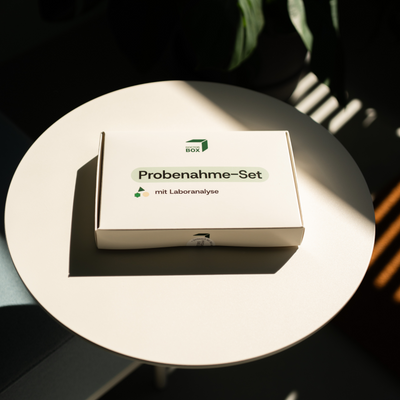
Bereit für den nächsten Schritt?

Du hast jetzt alle wichtigen Informationen. Sorge für deine Gesundheit mit einem zuverlässigen Heimtest.

Health check
DoctorBox AI Advisor
Hey! 👋 What health concerns do you have? I will help you find the right test.

AI-powered – Answers may be inaccurate.

Submit Withdrawal Request

Please fill out the following form to submit your withdrawal request.