Skip to content

Darm & Verdauung

Irritable bowel syndrome (IBS) strategies: Understanding and specifically calming the sensitive gut

The Low-FODMAP pathway and other evidence-based approaches for improved quality of life

Irritable bowel syndrome (IBS) affects ten to fifteen percent of the population – chronic abdominal pain, bloating, diarrhea, or constipation without any identifiable organic cause. The good news: With the right strategy – above all, the scientifically sound low-FODMAP diet – most sufferers can significantly improve their symptoms and live carefree lives again.

In short, explained

  • Irritable bowel syndrome is real: A functional disorder of the gut-brain axis with genuine symptoms.
  • Low-FODMAP helps 50-80% of people: Structured elimination diet as a diagnostic tool
  • Stress is a major trigger: the mind and gut are closely linked.
  • Individualization is crucial: Every case of irritable bowel syndrome is different – ​​find your triggers

Understanding Irritable Bowel Syndrome: More than just a sensitive stomach

If your stomach becomes a constant companion – not in a good way, but as a source of cramps, bloating, diarrhea, or constipation – then you may be among the ten to fifteen percent of the population who suffer from irritable bowel syndrome (IBS). This functional bowel disorder is not imaginary, even though many sufferers have been told exactly that for years. IBS is a recognized condition with real symptoms that can significantly impair quality of life.

The insidious thing about irritable bowel syndrome (IBS) is that all examinations – blood tests, ultrasound, colonoscopy – come back normal. There is no visible inflammation, no tissue changes, no tumor. The bowel looks healthy, but it doesn't function as it should. This is precisely what makes the diagnosis a diagnosis of exclusion: IBS is only diagnosed after other conditions such as celiac disease, inflammatory bowel diseases, infections, or food intolerances have been ruled out.

Science now has a much better understanding of what underlies irritable bowel syndrome (IBS). It involves a disruption of the gut-brain axis – the complex communication between the digestive tract and the central nervous system. In people with IBS, this axis is overactive: the gut sends amplified signals to the brain, and the brain overreacts to normal bowel activity. The result is visceral hypersensitivity – the gut is perceived as painful or uncomfortable, even though objectively nothing threatening is happening.

At the same time, the gut microbiome and the intestinal barrier play a role. Many irritable bowel syndrome (IBS) patients show an altered composition of their gut flora and increased intestinal permeability. Whether these changes are cause or effect is not yet fully understood – probably both, in a self-reinforcing cycle.

Irritable bowel syndrome (IBS) is classified into different subtypes: IBS with predominantly diarrhea (IBS-D), with predominantly constipation (IBS-O), with mixed bowel movements (IBS-M), and unclassified (IBS-U). This distinction is important because different subtypes respond to different strategies. Your first step should be to identify your own type – keeping a symptom diary for two to four weeks will be extremely helpful.

Understanding the triggers: What activates your irritable bowel syndrome

Irritable bowel syndrome (IBS) symptoms rarely appear out of nowhere. In most cases, there are triggers that throw the sensitive gut off balance. Identifying these triggers is one of the most important steps toward a better quality of life, because you can only effectively avoid or manage what you know.

Food is the most obvious trigger, yet the picture is complex. Unlike classic food allergies, irritable bowel syndrome (IBS) doesn't react to specific proteins, but typically to certain carbohydrates – the so-called FODMAPs. This acronym stands for fermentable oligosaccharides, disaccharides, monosaccharides, and polyols. These short-chain carbohydrates are poorly absorbed in the small intestine and reach the large intestine, where they are fermented by bacteria. The result: gas production, water retention, distension of the intestinal wall – and, in sensitive individuals, corresponding symptoms.

Classic FODMAP sources include onions and garlic (fructans), wheat and rye (also fructans), legumes (galactans), dairy products (lactose), certain fruits such as apples, pears, and mangoes (fructose), as well as sweeteners like sorbitol, mannitol, and xylitol (polyols). However, caution is advised: not every IBS patient reacts to all FODMAPs, and individual tolerance thresholds vary considerably.

Beyond FODMAPs, other food components can also cause problems. High-fat meals slow down gastric emptying and can worsen bloating and nausea. Caffeine and alcohol stimulate intestinal motility and can trigger diarrhea. Spicy foods irritate the intestinal lining in some people. Very large meals stretch the stomach and can overstimulate the gastrocolic reflex.

Stress is the underestimated trigger. The connection between mind and gut is particularly pronounced in irritable bowel syndrome (IBS). Acute stress—an important meeting, an exam, a conflict—can trigger symptoms within minutes. Chronic stress keeps the system constantly running on high alert. Many sufferers report that their symptoms worsen significantly during stressful periods in their lives and almost disappear on vacation. This isn't just their imagination, but rather a physiological phenomenon: stress hormones alter intestinal motility, secretion, and sensitivity.

Other triggers can include: lack of sleep (which disrupts the gut-brain axis), hormonal fluctuations (many women experience a worsening of symptoms around menstruation), infections (post-infectious irritable bowel syndrome after gastroenteritis is common), certain medications (antibiotics, NSAIDs), and even changes in weather or travel (disruption of your circadian rhythm). A detailed symptom diary can help you identify your personal triggers.

The Low-FODMAP Diet: The Scientifically Based Approach

The low-FODMAP diet is the most thoroughly researched dietary approach for irritable bowel syndrome (IBS). Developed at Monash University in Australia, studies have shown that it significantly improves symptoms in 50 to 80 percent of patients. However, the diet is more complex than simply "don't eat this"—it's a structured, three-phase process best followed with professional guidance.

Phase one is the elimination phase, which typically lasts two to six weeks. During this time, all high-FODMAP foods are strictly avoided. This sounds radical, and it is – therefore, this phase shouldn't last longer than necessary. The goal isn't a permanent condition, but rather symptom control as a starting point. If your symptoms don't improve significantly during this phase, a low-FODMAP diet may not be the right approach for you.

In phase one, you replace: wheat with spelt (in small amounts), oats, rice, or gluten-free alternatives; onions and garlic with the green ends of spring onions and garlic oil (FODMAPs are water-soluble, not fat-soluble); apples and pears with oranges, kiwi, berries, and unripe bananas; milk with lactose-free milk or plant-based alternatives such as almond or rice milk (but not whole bean soy milk); and legumes with small amounts of tofu or tempeh.

Phase two is the reintroduction phase – the actual core of the diet, which is often neglected. Here, you systematically test individual FODMAP groups to find out which ones you tolerate and in what quantities. You introduce one FODMAP group for three days, starting with a small amount and increasing it, observing your reaction, and then return to the elimination diet for three days without that group before testing the next group. This process takes eight to twelve weeks but provides invaluable information about your individual tolerances.

Phase three is the personalization phase: Based on your test results, you develop your individual, long-term practical diet. This includes all the FODMAPs you tolerate, avoids those that cause problems, and includes moderate amounts of borderline foods. The goal is maximum variety with minimal symptoms – because an unnecessarily restrictive diet is bad for your microbiome and your quality of life.

Important: The low-FODMAP diet is not a long-term solution. It's a diagnostic tool to identify your triggers. A strict, long-term low-FODMAP diet can deplete the gut microbiome because many prebiotic fibers are avoided. Professional guidance from a registered dietitian experienced in FODMAP nutrition is strongly recommended.

Practical nutrition strategies for everyday life

Beyond the low-FODMAP diet, there are general dietary principles that help many people with irritable bowel syndrome (IBS). These strategies complement FODMAP reduction or can bring improvement on their own, especially in milder cases.

Regularity is an underestimated factor. Your gut is a creature of habit and responds better to predictable patterns. Try eating at similar times each day, avoid fasting for too long (but also don't snack constantly), and avoid very large meals. Three moderate main meals with one or two small snacks are ideal for many. Meals should be eaten in a calm atmosphere and without time pressure – eating hastily while checking emails is a surefire way to experience discomfort.

Thorough chewing is often underestimated. Digestion begins in the mouth, and chewing thoroughly relieves the rest of the digestive tract. It also increases feelings of fullness and reduces the amount of air you swallow (aerophagia can worsen bloating). Take your time with each bite and put your cutlery down in between.

Fluid intake should primarily occur between meals. Drinking large amounts of fluid with meals can dilute digestive juices and cause problems for sensitive individuals. Try to drink the majority of your fluids between meals. Carbonated drinks can exacerbate bloating—still water and unsweetened herbal teas are the safest options.

Fiber is a double-edged sword when it comes to irritable bowel syndrome (IBS). On the one hand, it can improve bowel regularity when used correctly. On the other hand, if increased too quickly or if the wrong type is chosen, it can worsen symptoms. Soluble fiber (found in oats, psyllium husks, and peeled fruits) is generally better tolerated than insoluble fiber (found in whole-grain flour and bran). Psyllium husks in small doses (starting with half a teaspoon daily) can help with both types of IBS – they firm up stools in cases of diarrhea and soften them in cases of constipation.

Fat should be consumed in moderation. Very high-fat meals can slow down intestinal motility and trigger bloating, nausea, and upper abdominal pain. This doesn't mean eating fat-free – healthy fats are important – but rather moderate portions and even distribution throughout the day. In particular, avoid combining large amounts of fat with late meals and eating quickly.

The role of stress and mental health in irritable bowel syndrome

If someone tells you your irritable bowel syndrome (IBS) is "psychologically caused," it can be frustrating. The truth is: yes, the mind plays a big role—but not in the way you might think. The connection is two-way: stress worsens IBS, and IBS causes stress. The symptoms are real, the pain is real, and the psychological component doesn't make them any less medically relevant.

The gut-brain axis is overactive in patients with irritable bowel syndrome (IBS). The autonomic nervous system – particularly the vagus nerve – constantly sends signals between the gut and the brain. In IBS, this system seems to be calibrated like a hypersensitive smoke detector that sounds an alarm at the slightest burnt piece of toast. Normal bowel activity is interpreted as threatening, and the brain reacts with pain and anxiety.

Anxiety and irritable bowel syndrome (IBS) often form a vicious cycle. You experience symptoms, fear the next attack, this fear increases tension, and the tension worsens the symptoms. Many sufferers develop avoidance behaviors: they avoid restaurants, long journeys, and situations without an easily accessible toilet. This behavior is understandable, but in the long run, it exacerbates the problem because it further reinforces the anxiety-ridden significance of the bowel.

Trauma, especially in childhood, significantly increases the risk of irritable bowel syndrome (IBS). Studies show that people with a history of abuse are disproportionately likely to suffer from functional bowel disorders. This connection is explained by the stress axis and early programming of the nervous system. This does not mean that every IBS patient is traumatized – but trauma-informed therapy can be helpful in chronic, treatment-resistant cases.

Psychotherapeutic interventions are evidence-based and effective for irritable bowel syndrome (IBS). Cognitive behavioral therapy (CBT) helps to change negative thought patterns about the gut and reduce avoidance behaviors. Gut-directed hypnotherapy—a specialized form of hypnosis—shows impressive success rates of 50 to 80 percent in studies and is already part of standard care in some countries. Relaxation techniques such as progressive muscle relaxation, breathing exercises, and meditation can reduce overall tension and alleviate symptom perception. These approaches are not an alternative to medical treatment, but rather an important complement.

Diagnostics and laboratory values: What should really be tested?

Before committing to an irritable bowel syndrome (IBS) diagnosis, important differential diagnoses should be ruled out. The symptoms of IBS can mask other, treatable conditions. Therefore, a thorough evaluation is not overdiagnosis, but rather a necessary precaution.

Celiac disease—the autoimmune reaction to gluten—can present with identical symptoms and affects about one percent of the population. Because a gluten-free diet can skew antibody tests, celiac disease should be ruled out before you reduce your gluten intake on suspicion. Testing typically includes transglutaminase IgA antibodies and total IgA. If the result is positive, a small bowel biopsy is performed for confirmation.

Inflammatory bowel diseases such as Crohn's disease and ulcerative colitis can cause similar symptoms, but have very different implications and treatments. Stool calprotectin is a useful screening marker: a low level makes inflammatory bowel disease unlikely, while a high level requires further investigation, typically a colonoscopy.

Lactose intolerance and fructose malabsorption are common and can be diagnosed with a hydrogen breath test. These tests measure the hydrogen concentration in exhaled breath after consuming lactose or fructose, respectively. A positive test result means that these sugars are not completely absorbed in the small intestine – which requires particular attention with these specific FODMAPs.

Thyroid dysfunction can cause both diarrhea (hyperthyroidism) and constipation (hypothyroidism). A TSH test is part of the basic diagnostic workup for chronic bowel problems. Inflammatory markers (CRP, ESR) and a complete blood count should also be performed to rule out systemic diseases or anemia.

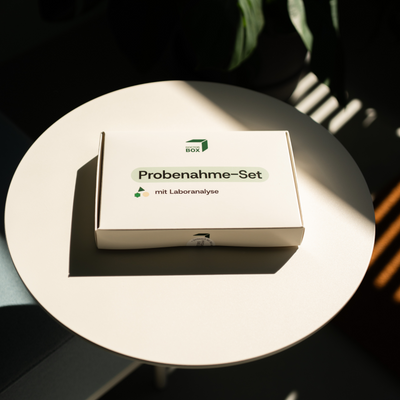
The DoctorBox Metabolic Check Plus provides you with a comprehensive overview of important health markers. It includes thyroid levels, inflammation markers, liver and kidney function, and blood sugar levels – all factors relevant when investigating digestive issues. Such a check can help rule out organic causes and give you peace of mind before you focus on managing functional irritable bowel syndrome.

Important: Warning signs always require prompt medical evaluation. These include unintentional weight loss, blood in the stool, fever, nighttime symptoms (that wake you from sleep), new symptoms after age 50, and a family history of colorectal cancer or inflammatory bowel disease. In such cases, a colonoscopy is urgently indicated.

Sicherheit durch Testen

Jetzt wo du die Symptome kennst: Verschaffe dir Klarheit mit einem diskreten Heimtest.

Start metabolism check

Empfohlener Heimtest

Produkt: metabolism check plus

Analyse im Fachlabor
Diskrete Verpackung
Ergebnis in 72h

Medications and supplements: What really helps?

There's no magic bullet for irritable bowel syndrome (IBS). However, various medications and supplements can alleviate symptoms and improve quality of life. The choice depends on the predominant symptom – what helps with diarrhea can worsen constipation, and vice versa.

Probiotics are among the best-researched options. Not all strains are equally effective, and the strength of the evidence varies for different products. Bifidobacterium infantis 35624, Lactobacillus plantarum 299v, and the VSL#3 blend have the strongest evidence base. Probiotics should be taken for at least four weeks before expecting to see results. If no improvement is seen after eight weeks, switching to a different probiotic or discontinuing it is advisable.

Peppermint oil in enteric-coated capsules is one of the few herbal options with good scientific evidence. It has an antispasmodic effect on the smooth muscles of the intestines and can reduce abdominal pain and bloating. The capsules should be taken 30 to 60 minutes before meals. Side effects such as heartburn are possible, which is why the enteric coating is important.

Psyllium husks are a soluble fiber that can help with both types of irritable bowel syndrome (IBS). In cases of constipation, they increase stool volume and soften the stool; in cases of diarrhea, they bind excess water. Start with small amounts (half a teaspoon daily) and increase gradually. Adequate fluid intake is essential – without water, psyllium husks can actually worsen constipation.

For diarrhea-predominant irritable bowel syndrome (IBS), loperamide (Imodium) can be helpful when needed, but should not be taken daily. Bile acid sequestrants such as cholestyramine can bring dramatic improvement in a subtype with bile acid malabsorption—this condition is often overlooked and worth trying. For constipation-predominant IBS, osmotic laxatives such as macrogol can be used for short-term relief; newer prescription options such as linaclotide or prucalopride show good efficacy in treatment-resistant cases.

Low-dose antidepressants—well below the antidepressant threshold—can reduce visceral hypersensitivity. Tricyclic antidepressants (such as amitriptyline) slow intestinal motility and are suitable for diarrhea, while SSRIs (such as citalopram) increase it and can help with constipation. These medications are not prescribed for depression itself, but rather for their effects on the gut-brain axis. Discuss this option with an experienced gastroenterologist.

Irritable bowel syndrome and sport: Exercise as therapy – and challenge

Sport and physical activity can be both a blessing and a curse for those with irritable bowel syndrome (IBS). On the one hand, studies show that regular moderate exercise can improve symptoms. On the other hand, intense exertion can trigger or worsen symptoms. As is so often the case, the key lies in moderation and individual adaptation.

The positive effects of exercise on irritable bowel syndrome (IBS) are manifold. Moderate activity stimulates intestinal motility and can shorten transit time in constipation-predominant IBS. Exercise reduces stress hormones and tension – given the significant role of stress in IBS, this is an essential mechanism. Endurance sports promote a more diverse microbiome with more butyrate-producing bacteria. Finally, exercise improves sleep quality, which in turn benefits the gut-brain axis.

A Swedish study showed that irritable bowel syndrome (IBS) patients who engaged in moderate exercise (20 to 60 minutes, three to five times a week) for twelve weeks had significantly fewer symptoms than a control group. The improvement affected all subtypes and was particularly pronounced in patients with previously low activity levels. Even walking showed positive effects.

The challenge lies in the intensity and timing. High-intensity exercise – especially running – can trigger runner's stomach, which can be particularly frequent and severe in people with irritable bowel syndrome (IBS). The diversion of blood away from the intestines, the mechanical impact, and the stress response to intense exertion can provoke cramps, diarrhea, and nausea. Competitive situations exacerbate the problem due to additional psychological stress.

Practical recommendations for exercising with irritable bowel syndrome (IBS): Opt for low-impact sports like swimming, cycling, yoga, or strength training if running causes problems. Never exercise on a full or empty stomach – a light snack two to three hours before your workout is often ideal. Avoid FODMAPs and high-fiber foods immediately before exercising. Start with moderate intensity and increase gradually. Listen to your body – if a particular workout regularly triggers symptoms, adjust it. Allow plenty of time for a bathroom break before your workout and be aware of the restroom locations along your running route.

Long-term strategies: Living well with irritable bowel syndrome

Irritable bowel syndrome (IBS) is typically a chronic condition with a fluctuating course. There are better and worse phases, and the goal of therapy is not a cure, but symptom control and quality of life. With the right strategy, most sufferers can lead a largely normal life – but it requires patience, self-monitoring, and flexibility.

Keeping a symptom diary is time-consuming at first, but invaluable. Record what you eat and drink, the severity of your symptoms (on a scale of zero to ten), stool frequency and consistency, stress levels, sleep quality, and any significant events. After a few weeks, patterns will emerge that will help you and your doctor refine your strategy. In the long run, if your symptoms worsen, you'll only need to look back at your diary to see what changed.

Acceptance is an important psychological factor. This doesn't mean giving up or simply putting up with the symptoms. It means acknowledging that you have a sensitive bowel and adapting your life accordingly, instead of fighting against reality. Studies show that people who accept their irritable bowel syndrome (IBS) experience less psychological distress and, paradoxically, often fewer physical symptoms as well.

Flexible coping rather than rigid rules makes the difference between surviving and living. Yes, onions might give you trouble – but perhaps you can tolerate a small amount in an otherwise low-FODMAP dish at a family meal. It's about risk management, not perfect control. Learn which situations allow more leeway (a quiet day at home) and which require caution (an important meeting the next morning).

Social support and open communication help. Many sufferers are ashamed of their symptoms and try to hide them. This leads to isolation and additional stress. Informing close confidants about your situation—your partner, close friends, perhaps your employer—can relieve enormous pressure. You don't have to tell everyone details, but saying "I have a sensitive stomach" is perfectly socially acceptable.

Regularly reviewing your strategy is advisable. Irritable bowel syndrome (IBS) changes over time, triggers can shift, and new treatment options become available. An annual check-in with a gastroenterologist or nutritionist helps ensure you're on the right track. And: If you experience a significant worsening of symptoms or new ones, don't just think, "That's just my IBS," but seek medical advice.

Frequently asked questions about irritable bowel syndrome

Is irritable bowel syndrome curable?

According to current knowledge, irritable bowel syndrome (IBS) is not a disease that can be "cured" in the classical sense. It is a functional disorder that typically follows a chronic course, but with fluctuating intensity. The good news is that with the right combination of dietary adjustments, stress management, medication if necessary, and lifestyle changes, most sufferers can effectively control their symptoms and achieve a high quality of life. Some people experience periods of months or years with minimal symptoms. Approximately one-third of patients report long-term improvement, one-third a stable course, and one-third fluctuating symptoms.

How long does a low-FODMAP diet last?

The low-FODMAP diet is a structured three-phase process that lasts approximately three to six months. The strict elimination phase should only last two to six weeks—long enough to see symptom improvement, short enough not to damage the microbiome. The reintroduction phase lasts eight to twelve weeks, as each FODMAP group is tested individually. The personalization phase is then lifelong, but significantly less restrictive than the elimination phase. Important: The low-FODMAP diet is not a long-term diet, but a diagnostic tool to identify your individual triggers.

Can stress alone cause irritable bowel syndrome?

Stress is an important factor in irritable bowel syndrome (IBS), but rarely the sole cause. IBS has several contributing factors: genetic predisposition, early life experiences, previous intestinal infections, antibiotic exposure, and, of course, chronic stress. In many sufferers, IBS begins after an acute gastroenteritis (post-infectious IBS) or during a particularly stressful period in life. Stress acts as a trigger and amplifier: it can induce symptoms and worsen existing complaints. Conversely, stress management—even without other measures—can significantly reduce symptoms.

Which probiotics are best for irritable bowel syndrome?

Not all probiotics are created equal, and the available research varies considerably. The strongest evidence exists for Bifidobacterium infantis 35624 (in products like Alflorex/Align), Lactobacillus plantarum 299v, the combination of VSL#3 and Saccharomyces boulardii. Generally speaking, multi-strain probiotics are not automatically better than single-strain ones. The dosage should be at least one billion colony-forming units (CFU). Give the probiotic at least four weeks before evaluating its effects. If no improvement is seen after eight weeks, try a different strain. Probiotics are not a substitute for dietary and lifestyle changes.

Is irritable bowel syndrome related to food allergies?

Irritable bowel syndrome (IBS) and food allergies are distinct conditions that can be confused. In true food allergies, the immune system reacts with measurable antibodies (IgE) to specific proteins – the reaction is rapid, reproducible, and can be dangerous (even leading to anaphylactic shock). IBS, on the other hand, is a functional disorder without an immune response. Reactions to FODMAPs are not allergies but rather fermentation effects in the gut. IgG tests for "food intolerances," offered in the wellness sector, are not scientifically validated and are not recommended by medical societies. The systematic low-FODMAP diet is the evidence-based approach to identifying triggers.

Can I do sports if I have irritable bowel syndrome?

Yes, and you absolutely should. Moderate physical activity has been proven to improve irritable bowel syndrome (IBS) symptoms. A Swedish study showed significant improvement in patients who exercised moderately for 20 to 60 minutes three to five times a week. However, intense exercise—especially running—can put a strain on the gut and trigger symptoms. It is recommended to: start with low intensity and increase gradually; choose low-impact sports such as swimming, cycling, or yoga if you have problems; avoid exercising on a full or empty stomach; avoid FODMAPs shortly before exercise; and be aware of restroom locations on longer runs.

How does irritable bowel syndrome differ from inflammatory bowel disease?

The crucial difference is that in irritable bowel syndrome (IBS), there are no structural or inflammatory changes in the intestine. In inflammatory bowel diseases (Crohn's disease, ulcerative colitis), colonoscopy reveals visible inflammation, ulcers, or other lesions. In IBS, the intestine appears completely normal – the disorder is functional, not structural. Warning signs that are more indicative of an inflammatory condition include: blood in the stool, unintentional weight loss, fever, nighttime symptoms, and a family history of inflammatory bowel disease. A calprotectin test in the stool can help differentiate between the conditions – it is low in IBS and elevated in inflammation.

Do enzyme supplements help with irritable bowel syndrome?

Enzyme supplements can help in specific situations, but they are not a cure-all. In cases of confirmed lactose intolerance, lactase enzyme can improve the tolerance of dairy products. Alpha-galactosidase (Beano) can help with legumes and certain vegetables by breaking down the problematic galactans. For other FODMAPs, there are no effective enzymes on the market – fructans and polyols cannot be broken down enzymatically. Digestive enzymes marketed as 'general digestive aids' have little evidence of effectiveness in irritable bowel syndrome (IBS). The best strategy remains identifying and carefully avoiding individual triggers.

Can a colonoscopy diagnose irritable bowel syndrome?

A colonoscopy cannot diagnose irritable bowel syndrome (IBS) – it can only rule out other conditions. In IBS, a colonoscopy shows a completely normal bowel. This is reassuring on the one hand (no cancer, no inflammation), but frustrating on the other for patients seeking an explanation. A colonoscopy is not absolutely necessary for every IBS patient, but it is recommended in cases of: alarm symptoms (blood in the stool, weight loss, fever), first-time symptoms after age 50, a family history of colorectal cancer or inflammatory bowel disease, and when basic therapies are ineffective.

Is irritable bowel syndrome inherited?

There is a genetic component to irritable bowel syndrome (IBS). Twin studies show a higher correlation between identical and fraternal twins, and IBS runs in some families. However, genetics only explains part of the risk—environmental factors, diet, stress, and past infections also play important roles. Interestingly, family members often share similar microbiomes and dietary habits, which could partially explain the familial clustering. If your parents or siblings have IBS, your risk is increased, but not determined—lifestyle changes can make a big difference.
Bereit für den nächsten Schritt?

Du hast jetzt alle wichtigen Informationen. Sorge für deine Gesundheit mit einem zuverlässigen Heimtest.

Start metabolism check
DoctorBox AI Advisor
Hey! 👋 What health concerns do you have? I will help you find the right test.

AI-powered – Answers may be inaccurate.

Submit Withdrawal Request

Please fill out the following form to submit your withdrawal request.