Skip to content

Ernährung & Metabolik

Vegetarian Diet – The Complete Guide

Living meat-free: Everything about a healthy, balanced vegetarian diet

A vegetarian diet offers proven health benefits and is easier to implement than many people think. This guide explains the basics, shows you how to get all the necessary nutrients, and gives practical tips for everyday life as a vegetarian.

In short, explained

  • Definition: No meat, no fish – but dairy products, eggs and honey are allowed.
  • Health benefits: 25-30% less heart disease, 30-50% less risk of diabetes
  • Protein sources: eggs, dairy products (quark, yogurt, cheese), legumes, tofu
  • Critical nutrients: Vitamin B12, iron, omega-3, zinc
  • Suitable for everyone: children, pregnant women, athletes – with proper planning.
  • Recommended tests: B12 status every 1-2 years, iron as needed

What does a vegetarian diet mean?

Vegetarianism refers to a lifestyle that abstains from eating meat and fish. Unlike flexitarianism, which allows occasional meat consumption, or veganism, which excludes all animal products, vegetarianism represents a middle ground: Animal products such as milk, cheese, yogurt, eggs, and honey are permitted and consumed regularly – only the animal itself is not eaten.

The history of vegetarianism stretches far back. Even in antiquity, philosophers like Pythagoras lived without meat, which is why vegetarianism was long known as the 'Pythagorean diet'. Vegetarianism has been widespread in various cultures and religions – Hinduism, Buddhism, Jainism – for millennia. In the West, it gained importance in the 19th century and has experienced a continuous resurgence since the 1970s. Today, around 7-10 percent of the population in Germany is vegetarian – and this number is rising.

The reasons for choosing a vegetarian diet are varied. Some people act out of ethical convictions – they don't want animals to die for their food. Others emphasize environmental aspects: meat production is resource-intensive and harmful to the climate. Still others prioritize health: the scientific evidence for the benefits of a plant-based diet is strong. Many vegetarians combine several of these motivations.

Within vegetarianism, there are several variations. Ovo-lacto vegetarians eat eggs and dairy products – the most common form. Lacto vegetarians consume dairy products but not eggs. Ovo vegetarians eat eggs but not dairy products. Pescatarians are sometimes considered part of the broader vegetarian spectrum – they abstain from meat but eat fish. In this guide, we focus on the ovo-lacto variant, as it is the most widespread and nutritionally the easiest to follow.

Vegetarianism is no longer a niche phenomenon. Supermarkets offer extensive vegetarian product lines, restaurants have vegetarian options on their menus, and cookbooks featuring plant-based cuisine fill entire shelves. This normalization makes getting started easier than ever – and the range of possibilities greater than many realize.

The health benefits of a vegetarian diet

Scientific research on vegetarian diets is extensive and consistently shows positive results. Large population studies with hundreds of thousands of participants have tracked the health effects over decades – with impressive findings.

Cardiovascular health

Vegetarians have, on average, a 25-30 percent lower risk of heart disease than meat-eaters. The reasons are manifold: lower blood pressure, better blood lipid levels (lower triglycerides, higher HDL), and less chronic inflammation. The EPIC-Oxford study, one of the largest nutritional studies worldwide, found a 32 percent reduced risk of coronary heart disease in vegetarians. This protective effect is not only due to the absence of meat, but also to the higher consumption of vegetables, fruits, legumes, and whole grains.

Weight management

Vegetarians, on average, have a lower BMI than omnivores. The Adventist Health Study 2 showed that vegetarians weigh about 5 kg less than comparable meat-eaters. Plant-based foods typically have a lower energy density and more fiber, leading to natural satiety with fewer calories. This doesn't mean that a vegetarian diet automatically leads to weight loss—it's entirely possible to eat an unhealthy vegetarian diet—but it does make weight management easier.

Diabetes prevention

Vegetarians have a 30-50 percent lower risk of developing type 2 diabetes. The higher fiber intake improves blood sugar control, and the lower consumption of saturated fats and processed meats reduces insulin resistance. Even for people who already have diabetes, a vegetarian diet can improve blood sugar control and reduce the need for medication.

Cancer risk

The evidence for a reduced cancer risk in vegetarians is strong, especially for certain types of cancer. Avoiding red and processed meat—classified as carcinogenic by the WHO—reduces the risk of colorectal cancer. Higher consumption of fruits, vegetables, and fiber provides additional protection. Studies show an overall cancer risk of approximately 10–15 percent lower in vegetarians.

longevity

Several long-term studies show that vegetarians tend to live longer. The Adventist Health Study found a life expectancy that was about 3-4 years higher among vegetarians. Whether this is directly attributable to diet or to the generally healthier lifestyle of many vegetarians (less smoking, more exercise) is difficult to separate – both factors likely play a role.

The vegetarian food pyramid – what goes on the plate

A healthy vegetarian diet is more than just 'leaving out meat'. It requires a well-thought-out combination of foods that provide all the necessary nutrients while also being enjoyable and satisfying. The vegetarian food pyramid can help you with this.

The basis: Plenty every day

Vegetables form the foundation – aim for at least 400-500g daily, ideally more. All colors, all preparation methods: raw in salads, steamed, sautéed, grilled, as soup. Fruit provides vitamins, fiber, and natural sweetness – two to three portions daily. Whole grains are important energy sources: whole-wheat bread, oatmeal, brown rice, whole-wheat pasta, quinoa, buckwheat. Always choose the whole-grain version over refined products.

The middle ground: Daily in moderate amounts

Legumes are the backbone of vegetarian protein intake. Lentils, chickpeas, beans, peas – make them a regular part of your daily diet. One serving (150-200g cooked) a day is ideal. Dairy products provide high-quality protein, calcium, and vitamin B12. Two to three servings a day – yogurt, cheese, milk, or quark – are recommended. Eggs are nutrient-rich and versatile – three to five per week is a good guideline. Nuts and seeds provide healthy fats, protein, and important minerals – a handful (30g) daily.

The top: In moderation

High-quality oils – olive oil, rapeseed oil, flaxseed oil – are important sources of fat. Use them for cooking and in dressings, but be mindful of the quantity. Sweets, cakes, chips, and highly processed foods should remain the exception – even if they are vegetarian, they are not automatically healthy.

A typical vegetarian day

Breakfast: Oatmeal with milk or plant-based milk, berries, nuts, and a spoonful of honey. Alternatively: Whole-wheat bread with cheese and tomatoes, plus a boiled egg. Lunch: Lentil salad with roasted vegetables, feta cheese, and olive oil dressing. Or: Vegetable quiche with a green salad. Dinner: Chickpea curry with brown rice and fresh cilantro. Or: Pasta with tomato sauce, white beans, and Parmesan cheese. Snacks: Greek yogurt with honey, fresh fruit, vegetable sticks with hummus, and a handful of nuts.

This combination provides all the necessary macro- and micronutrients, is very filling and offers culinary variety – vegetarian food never has to be boring.

Protein – Understanding the most important nutrient

The most common concern with vegetarian diets is protein. 'Where do you get your protein from?' is a question every vegetarian knows. The good news: With a varied vegetarian diet, protein intake is not a problem – even without meat and fish.

How much protein do you need?

The recommended intake is approximately 0.8g of protein per kilogram of body weight for average adults. For someone weighing 70kg, this equates to 56g per day. Older adults and physically active individuals benefit from higher amounts (1.0-1.2g/kg). Pregnant and breastfeeding women also have increased requirements. These amounts are easily achievable with a vegetarian diet – in fact, most people in Western countries consume more protein than they need.

Vegetarian protein sources

Dairy products: Quark (13g/100g), Greek yogurt (10g/100g), cheese (20-30g/100g), cottage cheese (11g/100g). A 200g tub of quark already provides 26g of high-quality protein.

Eggs: One large egg contains about 7g of protein with excellent biological value. Two eggs for breakfast already provide a quarter of the daily requirement.

Legumes: lentils (9g/100g cooked), chickpeas (8g/100g cooked), beans (7-9g/100g cooked). A generous portion of lentil stew (300g) provides approximately 27g of protein.

Soy products: Tofu (8-15g/100g depending on the variety), tempeh (19g/100g), edamame (11g/100g). Soy is one of the few plant-based proteins with a complete amino acid profile.

Nuts and seeds: almonds (21g/100g), pumpkin seeds (30g/100g), hemp seeds (25g/100g). However, they are high in calories, so enjoy them in moderation.

Protein quality and amino acids

Animal proteins (eggs, dairy products) contain all essential amino acids in optimal proportions. Some plant-based proteins have limiting amino acids – legumes are low in methionine, grains in lysine. The solution: combine different sources throughout the day. Legumes and grains complement each other perfectly – classic dal with rice, hummus with bread, beans with tortilla. With a vegetarian diet that includes eggs and dairy products, the amino acid balance is naturally ensured.

Critical nutrients – what you should pay attention to

Although a vegetarian diet can generally provide all necessary nutrients, some deserve special attention. Knowing about these 'critical' nutrients will help you take targeted preventative measures and avoid deficiencies.

Vitamin B12

Vitamin B12 is the most important nutrient for vegetarians. It is found almost exclusively in animal products and is essential for nerve function and blood formation. Unlike vegans, ovo-lacto vegetarians have good sources: eggs (especially the yolks), dairy products (especially cheese), and fortified foods. Nevertheless, you should have your B12 levels checked occasionally, especially if you consume few eggs and dairy products. A deficiency develops gradually over years and can cause irreversible neurological damage.

iron

Plant-based iron (non-heme iron) is absorbed less efficiently than animal-based iron. Vegetarians often have lower iron stores, although true deficiency anemia is rare. The solution: combine iron-rich foods with vitamin C (lentils with bell peppers, spinach with lemon juice), avoid coffee and tea with meals, and use soaked or sprouted legumes (this reduces phytates, which bind iron). Women of childbearing age have increased needs due to menstruation and should pay particular attention to their iron intake.

zinc

Zinc is abundant in meat, but also in legumes, nuts, seeds, and whole grains. Bioavailability is lower in plant-based sources, but a deficiency is unlikely with a varied diet. Soaking legumes and sourdough fermentation in bread improve absorption.

Omega-3 fatty acids

The long-chain omega-3 fatty acids EPA and DHA are found primarily in oily fish. Vegetarians obtain ALA from flaxseeds, chia seeds, and walnuts, which the body can partially convert into EPA and DHA—albeit inefficiently (around 5–10%). Eggs from hens fed omega-3-rich feed provide some DHA. An algae oil supplement may be beneficial if needed.

iodine

Iodine is a critical nutrient in Germany in general, not just for vegetarians. Dairy products are an important source (the iodine content depends on the cows' feed). Use iodized table salt and occasionally eat seaweed (nori) or fortified foods. During pregnancy, sufficient iodine is especially important for the child's brain development.

Vitamin B12 – The most important nutrient in focus

Vitamin B12 deserves its own chapter, as it is the only nutrient for which vegetarians (and even more so vegans) are systematically at risk of deficiency. Understanding this vitamin, its functions, and sources is fundamental to a healthy vegetarian lifestyle.

What does vitamin B12 do in the body?

Vitamin B12 is involved in DNA synthesis – every cell division in your body needs it. It is essential for the formation of red blood cells and for the function of the nervous system. Without sufficient B12, anemia can develop (fewer, but larger red blood cells), and irreversible damage can occur in the nervous system – from tingling and numbness to cognitive problems and depression.

Why is vitamin B12 critical in a vegetarian diet?

Vitamin B12 is produced exclusively by certain bacteria. In the natural food chain, it enters animal products via animal feed or soil bacteria. Plant-based foods contain practically no usable B12 – even though algae or fermented products are sometimes mentioned as sources, the B12 they contain is often not bioactive or the amounts are too small.

Vitamin B12 sources for vegetarians

As an ovo-lacto vegetarian, you have access to natural sources of vitamin B12: eggs (about 1 µg per egg), milk (0.4 µg per 100 ml), cheese (1-3 µg per 100 g depending on the type), and yogurt (0.4 µg per 100 g). The daily requirement is about 4 µg for adults. Two eggs, a glass of milk, and a serving of cheese will provide you with this amount – provided you consume all of these products regularly.

If the supply is uncertain

If you rarely eat eggs or avoid dairy products, your B12 levels may be at risk. Fortified foods (some plant-based milks, breakfast cereals, yeast extracts) can help, but read labels carefully—not all are fortified. A B12 supplement is a cost-effective safeguard—250–500 µg daily or 1000–2000 µg twice a week are safe dosages.

Check the B12 status

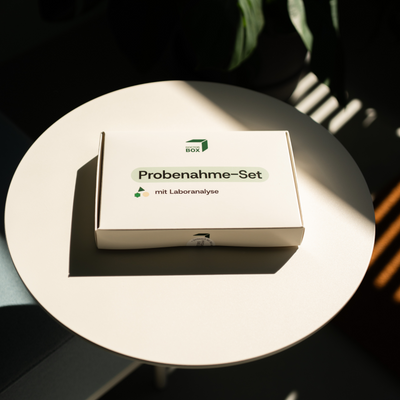
The insidious thing about vitamin B12 deficiency is that the liver stores B12 for years, so a deficiency develops gradually over a long period. By the time symptoms appear, damage may already have occurred. Regular testing – about every one to two years – is advisable for vegetarians. The DoctorBox vitamin B12 test allows you to conveniently check your levels from home and take early action before problems arise.

Sicherheit durch Testen

Jetzt wo du die Symptome kennst: Verschaffe dir Klarheit mit einem diskreten Heimtest.

Test vitamin B12 status

Empfohlener Heimtest

Produkt: vitamin B12 - vegan - vegetarian

Analyse im Fachlabor
Diskrete Verpackung
Ergebnis in 72h

From theory to practice – making the transition easy

You've decided to go vegetarian – but how do you put it into practice in everyday life? A gradual transition is often more successful than an abrupt change. Here's a practical roadmap for the first few weeks.

Phase 1: Preparation (Week 1)

Before you make any changes, gather information and inspiration. Buy a vegetarian cookbook or save recipes online. Identify vegetarian dishes you already know and like – there are probably more than you think. Take stock of your kitchen: What basic vegetarian ingredients do you already have? What's missing? Create a shopping list with essentials: various legumes, tofu, eggs, dairy products, nuts, and spices.

Phase 2: First steps (weeks 2-3)

Start with familiar dishes. Spaghetti Bolognese becomes spaghetti with lentil Bolognese. Curry gets chickpeas instead of chicken. Salad becomes a complete meal with feta and white beans. You don't have to learn exotic new dishes right away—first, transform what you already cook. At the same time, plan two to three new vegetarian recipes per week and try them out.

Phase 3: Expansion (Weeks 4-6)

Expand your repertoire systematically. Learn how to properly prepare tofu (marinate, press, and fry until crispy). Experiment with different legumes – each variety has its own unique characteristics. Discover new cuisines: Indian, Middle Eastern, and Asian cuisines have centuries-old vegetarian traditions with fantastic recipes. Visit vegetarian restaurants for inspiration.

Phase 4: Consolidation (Weeks 7-12)

After about two months, you should have a solid repertoire of 15-20 vegetarian dishes that you can cook routinely. You probably won't miss meat as much as you expected. Social situations will have become easier because you know what you can eat. The question 'What should I cook today?' has plenty of answers.

Practical everyday tips

Weekend meal prep: Cook a large batch of legumes, roast vegetables, and prepare dressings. During the week, combine these building blocks for quick meals. Always keep backup options on hand: canned chickpeas, eggs, frozen vegetables, pasta – for days when you don't have the time or energy to cook. Find your favorite vegetarian restaurants and delivery services for stress-free evenings.

Vegetarianism in different phases of life

A vegetarian diet is generally possible and healthy at all stages of life – from childhood to old age. However, there are phase-specific considerations that should be taken into account.

Pregnancy and breastfeeding

A vegetarian diet during pregnancy is safe and supported by nutrition societies – provided it is well-planned. Nutritional needs are increased: more protein, iron, folic acid, calcium, and iodine. Pay particular attention to getting enough eggs and dairy products for vitamin B12, iron-rich foods with vitamin C, and, if necessary, supplements after consulting your doctor. Folic acid should be supplemented even before conception. An omega-3 supplement (algae oil for DHA) can be beneficial, as DHA is important for the baby's brain development.

Infants and toddlers

In the first few months of life, breast milk (or infant formula) is the sole source of nutrition. From the start of weaning, vegetarian foods can be introduced – pureed legumes, vegetables, egg yolks, and yogurt. Infants have a high iron requirement; ensure they receive iron-rich complementary foods combined with vitamin C. Whole milk should only be given from the first birthday onwards. Regular checkups with a pediatrician are important for toddlers on a vegetarian diet to detect any potential nutritional deficiencies early.

Children and young people

A vegetarian diet can easily meet all growth needs in childhood and adolescence. Studies show that children on a vegetarian diet grow and develop normally. Sufficient calories (children are active!), protein from various sources, iron, zinc, and vitamin B12 are important. Legumes, nut butters, eggs, and dairy products should be regular components of their diet. Avoid excessive fiber in young children – it is very filling and can hinder nutrient absorption.

Older adults

Metabolism changes with age: Calorie requirements decrease, but the need for protein and certain micronutrients remains the same or increases. Older vegetarians should ensure they consume sufficient protein (1.0-1.2g/kg body weight) because the body utilizes protein less efficiently with age. Vitamin B12 absorption can be impaired in older adults due to reduced stomach acid – in such cases, supplementation is advisable, regardless of diet. Vitamin D and calcium are important for bone health.

Vegetarianism and Sport – Performance without Meat

Is it possible to achieve peak athletic performance without meat? The clear answer is: Yes. Numerous top athletes follow vegetarian or vegan diets – from tennis champion Novak Djokovic and Formula 1 world champion Lewis Hamilton to ultramarathon legend Scott Jurek. Science confirms: A well-planned vegetarian diet is compatible with athletic performance at every level.

Protein for athletes

Athletes have a higher protein requirement than non-athletes: approximately 1.2–2.0 grams per kilogram of body weight, depending on the sport and training intensity. Strength athletes and bodybuilders have higher requirements, while endurance athletes tend to have a moderate need. These amounts are achievable with a vegetarian diet, but require conscious planning. Include protein-rich meals whenever possible: eggs for breakfast, legumes for lunch, quark or Greek yogurt as a snack, and a tofu stir-fry in the evening. For very high protein requirements, vegetarian protein powders (whey, casein, or plant-based blends) can be used as a supplement.

Timing and distribution

For optimal muscle protein synthesis, protein should be distributed throughout the day – about 20-40g per meal, rather than all at once. After training, a protein-rich snack (quark with fruit, protein shake, cottage cheese) is beneficial to support recovery. Carbohydrates are also important for athletes – they replenish glycogen stores for intense training sessions.

Iron for athletic performance

Iron is essential for oxygen transport in the blood – a deficiency leads to fatigue and reduced performance. Athletes have an increased need due to sweat and blood loss. Vegetarian athletes should pay particular attention to their iron intake: combine iron-rich foods with vitamin C, have iron levels checked regularly, and supplement if necessary.

Creatine – the only potential disadvantage

Creatine is a substance stored in muscles that provides energy during short, intense bursts of activity. It is primarily found in meat; vegetarians tend to have lower creatine stores. For strength athletes and athletes in sports with short, explosive bursts of activity, creatine supplementation can be beneficial—it is one of the best-researched and safest supplements available.

Regeneration and inflammation

A plant-based diet provides plenty of antioxidants and anti-inflammatory substances that can support recovery after training. Some athletes report faster regeneration after switching to a vegetarian diet – not yet conclusively scientifically proven, but plausible.

Avoid common mistakes – What vegetarians can do wrong

A vegetarian diet is not automatically healthy. It is entirely possible to eat a vegetarian diet and still develop nutritional deficiencies or lead an unhealthy lifestyle. Here are the most common pitfalls and how to avoid them.

Mistake 1: Simply omitting the meat without replacing it.

If you simply take the meat off your plate and don't add anything else, you're missing out on an important source of protein and nutrients. A meal of pasta with tomato sauce may be vegetarian, but it's nutritionally incomplete. The solution: consciously incorporate protein sources. Every meal should include a serving of legumes, eggs, dairy products, or tofu.

Mistake 2: Too much cheese and convenience foods

Cheese is delicious and high in protein, but also high in fat and calories. Some vegetarians replace meat with cheese one-to-one and are surprised by weight gain and poor cholesterol levels. Vegetarian convenience foods like imitation schnitzel, pizza, and frozen meals are similarly problematic. They are often highly processed and high in salt and fat. The solution: Use cheese as a seasoning, not as the main ingredient. Consume convenience foods occasionally, not daily. Prefer real, unprocessed foods.

Mistake 3: Too little variety

Eating the same thing every day – pasta, bread, rice – doesn't provide all the necessary nutrients. A monotonous diet increases the risk of deficiencies and gets boring in the long run. The solution: consciously plan for variety. Rotate different legumes (lentils, chickpeas, beans, peas). Try a new vegetable each week. Use different protein sources (sometimes eggs, sometimes tofu, sometimes quark).

Error 4: Ignore B12

'I eat eggs and dairy products, so B12 isn't a problem.' This assumption can be misleading, especially if these foods aren't consumed regularly. The solution: Check your B12 levels every one to two years. If you're unsure or your levels are low, supplement – ​​it's inexpensive and safe.

Mistake 5: Underestimating or overestimating calories

Some vegetarians eat too little (especially those with an active lifestyle) because plant-based foods are often less energy-dense. Others eat too much because they believe vegetarian foods can't cause weight gain. Nuts, oils, cheese, and sweets are also high in calories in vegetarian versions. The solution: Listen to your body's signals. Eat more if you feel tired or are losing weight. If you're gaining weight, check your portion sizes.

Häufig gestellte Fragen

Studies consistently show that vegetarians have a lower risk of heart disease (25-30%), diabetes (30-50%), certain cancers, and obesity. However, a poorly planned vegetarian diet is not automatically healthy. The benefit comes from the higher proportion of plant-based foods—vegetables, legumes, whole grains—not solely from the absence of meat.

As an ovo-lacto vegetarian, you can obtain B12 from eggs (1µg per egg), milk, cheese, and yogurt. With regular consumption, your intake is usually sufficient. If you rarely eat eggs or dairy products, your intake can become critical. Recommendation: Have your B12 levels tested every 1-2 years. Supplement if necessary – it's inexpensive and safe.

Plant-based iron is abundant in legumes, whole grains, leafy green vegetables, nuts, and seeds. Absorption is improved by vitamin C (e.g., bell peppers or lemon with meals). Avoid inhibitors: do not drink coffee or tea with meals. Soaking legumes reduces phytates. Women with heavy menstrual cycles should have their iron levels checked regularly.

Yes, all major nutrition societies confirm: A well-planned vegetarian diet is suitable for children of all ages. Children on a vegetarian diet grow and develop normally. Important: sufficient calories (children are active!), protein from various sources, iron, zinc, and vitamin B12. Regular checkups with a pediatrician are recommended.

Absolutely. The protein requirement for muscle growth (1.6-2.2g/kg body weight) is achievable with a vegetarian diet. Combine different protein sources: eggs, dairy products (especially quark, Greek yogurt), legumes, tofu. Protein powder (whey or plant-based) can be a supplement. Creatine supplementation can be beneficial for strength athletes, as vegetarians have lower creatine stores.

Vegetarians abstain from meat and fish but consume animal products such as milk, cheese, yogurt, and eggs. Vegans avoid all animal products—including milk, eggs, honey, and often leather and wool as well. From a nutritional standpoint, a vegetarian diet is easier to follow, as vitamin B12, calcium, and high-quality protein are readily available from eggs and dairy products.

Top sources: Eggs (7g protein, all amino acids), quark/Greek yogurt (10-13g/100g), legumes (7-9g/100g cooked), tofu (8-15g/100g), tempeh (19g/100g), cheese (20-30g/100g). Nuts and seeds are also good additions. Combine different sources for an optimal amino acid profile. Variety is key.

Often even cheaper. Legumes are extremely inexpensive (1 kg of dried lentils for €2-3 provides many meals). Eggs, dairy products, and seasonal vegetables are affordable. Expensive meat substitutes are optional, not necessary. Meat—especially high-quality meat—is usually more expensive than plant-based protein sources.

Most restaurants offer vegetarian options – and the selection is constantly improving. Ask if dishes can be adapted. When invited to someone's home: Inform the host in advance, offer to bring something, and be flexible with side dishes. Don't panic if something gets 'stained' once – a little broth in the vegetables isn't the end of the world.

The most important ones are: Vitamin B12 (every 1-2 years, especially important), iron/ferritin (annually, especially for women), vitamin D (relevant regardless of diet), and possibly zinc. With a well-planned vegetarian diet, deficiencies are rare, but regular checkups provide peace of mind and allow for early intervention.

Bereit für den nächsten Schritt?

Du hast jetzt alle wichtigen Informationen. Sorge für deine Gesundheit mit einem zuverlässigen Heimtest.

Test vitamin B12 status
DoctorBox AI Advisor
Hey! 👋 What health concerns do you have? I will help you find the right test.

AI-powered – Answers may be inaccurate.

Submit Withdrawal Request

Please fill out the following form to submit your withdrawal request.