Skip to content

Ernährung & Metabolik

Low-FODMAP diet – The complete guide

Eating without symptoms: The scientific strategy for irritable bowel syndrome

Low-FODMAP is the best-researched dietary therapy for irritable bowel syndrome and digestive issues. This guide explains the three-phase protocol, shows you safe foods, and gives practical tips for everyday life – for a better quality of life despite a sensitive gut.

In short, explained

  • FODMAP stands for: Fermentable oligosaccharides, disaccharides, monosaccharides and polyols
  • For whom: People with irritable bowel syndrome and functional digestive disorders
  • Effectiveness: 70-80% of those affected experience significant improvement.
  • Duration: 3-phase protocol over several months (not strictly permanent)
  • Important: Do not skip the reintroduction phase – it is crucial.
  • Recommendation: Professional guidance from a nutritionist

What is the low-FODMAP diet?

Low-FODMAP is a scientifically based dietary strategy specifically designed for people with irritable bowel syndrome (IBS) and other functional digestive disorders. The cumbersome name stands for 'Fermentable Oligosaccharides, Disaccharides, Monosaccharides, and Polyols' – a group of short-chain carbohydrates that can trigger digestive problems in sensitive individuals.

The low-FODMAP diet was developed at Monash University in Australia and is currently the most researched dietary therapy for irritable bowel syndrome (IBS). Studies show that approximately 70-80 percent of IBS patients experience a significant improvement in their symptoms when they temporarily reduce their FODMAP intake. This makes this dietary approach an important tool for anyone suffering from chronic bloating, abdominal pain, diarrhea, or constipation.

Unlike many dietary trends, low-FODMAP is not a permanent diet, but a therapeutic protocol with clear phases: a strict elimination phase, a systematic reintroduction phase, and a personalized long-term diet. The goal is not to avoid FODMAPs forever, but to find out which specific FODMAPs you can tolerate and in what quantities – and then to find the most varied diet possible that remains symptom-free.

It's important to understand that a low-FODMAP diet isn't a treatment for the underlying cause, but rather symptom management. FODMAPs themselves aren't unhealthy—many FODMAP-containing foods are actually particularly nutrient-rich and beneficial for gut health. However, in people with a sensitive gut, such as those with irritable bowel syndrome (IBS), they can trigger symptoms. This dietary approach helps control these symptoms and significantly improve quality of life.

This guide explains what FODMAPs are, why they cause problems for some people, how the three-phase protocol works, and how you can practically integrate a low-FODMAP diet into your daily life. You'll also learn when professional guidance is advisable – because a low-FODMAP diet is complex and ideally implemented with the support of a registered dietitian.

What are FODMAPs and why do they cause discomfort?

FODMAP is an acronym for a group of short-chain carbohydrates that share certain properties: they are poorly absorbed in the small intestine, draw water into the gut, and are rapidly fermented by gut bacteria. In people with sensitive digestive systems, this can lead to bloating, pain, and changes in bowel movements.

F – Fermentable

All FODMAPs are fermented by gut bacteria, meaning they are broken down into gases – mainly hydrogen and methane. In a normally functioning gut, this is not a problem and is even desirable, as fermentation feeds the beneficial gut bacteria. However, in a hypersensitive irritable bowel syndrome (IBS), the resulting gases lead to distension, pain, and visible bloating.

O – Oligosaccharides

Oligosaccharides are complex sugars that include fructans and galacto-oligosaccharides (GOS). Fructans are found in wheat, rye, barley, onions, garlic, leeks, and many other foods. GOS are found primarily in legumes. The human intestine lacks the enzymes to break down these carbohydrates; therefore, they pass undigested into the large intestine, where they are fermented by bacteria.

D – Disaccharides

The relevant disaccharide is lactose – milk sugar. Lactose is found in milk, yogurt, soft cheeses, cream, and many dairy products. People with lactose intolerance partially or completely lack the enzyme lactase, which means lactose is not properly digested. The undigested lactose reaches the large intestine, where it causes fermentation and water absorption.

M – Monosaccharides

This is specifically about fructose – but not in general, rather about 'excess fructose'. Fructose is absorbed better when at least as much glucose is present. Foods in which fructose predominates are problematic: apples, pears, mangoes, honey, agave syrup. In these cases, excess fructose cannot be completely absorbed and causes discomfort in the large intestine.

P – Polyols

Polyols are sugar alcohols: sorbitol, mannitol, xylitol, maltitol, and isomalt. They occur naturally in some fruits (stone fruits such as peaches, plums, and cherries) and are used as sweeteners in sugar-free products. Polyols are absorbed slowly and incompletely, draw water into the intestines, and can have a laxative effect.

Why do some people react sensitively?

FODMAPs are not harmful – they also cause gas production in healthy individuals. The difference is that in people with irritable bowel syndrome (IBS), the intestines are hypersensitive (visceral hypersensitivity). Normal stretching is perceived as painful. Additionally, intestinal motility may be impaired, preventing the normal elimination of gas and water. A low-FODMAP diet reduces the amount of poorly absorbed carbohydrates, thereby reducing fermentation and water retention – which alleviates symptoms.

The Three-Phase Protocol – How Low-FODMAP Works

Low-FODMAP is not about permanent deprivation, but rather a structured three-phase protocol. Understanding these phases is crucial for success – many people make the mistake of staying in phase 1 indefinitely, which is neither necessary nor healthy.

Phase 1: Elimination phase (2-6 weeks)

During this phase, all high-FODMAP foods are strictly avoided. The goal is to calm the gut and achieve a symptom-free or significantly reduced-symptom baseline. Most people experience a significant improvement within 2-4 weeks. If no improvement occurs after 6 weeks of strict elimination, FODMAPs are probably not the primary trigger for your symptoms – other factors should then be investigated.

The elimination phase is deliberately strict, but time-limited. It is not intended as a long-term diet, as it restricts variety and potentially has a negative impact on the gut flora (many prebiotic fibers are FODMAPs).

Phase 2: Re-introduction phase (6-8 weeks)

This is the most important and often neglected phase. Here, you systematically test individual FODMAP groups to find out which ones you tolerate and in what quantities. Each FODMAP group is tested individually – typically over three days with increasing amounts. This is followed by a washout phase before the next group is tested.

The order isn't fixed, but a typical plan tests: fructose (mango, honey), lactose (milk), sorbitol (peach), mannitol (mushrooms), fructans in grains (wheat bread), fructans in vegetables (garlic), GOS (chickpeas). You keep a symptom diary and document how you react to each amount.

Phase 3: Personalization phase (long-term)

Based on the results of the reintroduction, you develop your personal long-term diet. Perhaps you can tolerate small amounts of garlic, but not onions. Perhaps lactose isn't a problem, but fructans are. Everyone is different – ​​that's why Phase 2 is so important. The goal is the maximum possible variety with minimal symptoms.

Key principles

Avoid stacking: Even low-FODMAP foods can become problematic if you combine many of them in one meal – the FODMAPs add up. Pay attention to portion sizes: Many foods are low in FODMAPs in small amounts but high in them in large amounts. The Monash University app is the best tool for determining safe portion sizes. Be patient: The entire protocol takes several months. This is normal and necessary for sustainable results.

High-FODMAP vs. Low-FODMAP – The most important foods

The key to success with a low-FODMAP diet is knowing which foods to avoid and which can be safely eaten. The following overview provides a guide – for precise portion sizes, the Monash University FODMAP app is essential.

Vegetables

High-FODMAP (avoid in Phase 1): Onions, garlic, leeks, shallots, mushrooms, cauliflower, asparagus, artichokes, sugar snap peas, celery, beets. These vegetables are rich in fructans or polyols.

Low-FODMAP (safe): Carrots, zucchini, cucumber, bell peppers, tomatoes, green beans, spinach, lettuce, eggplant, potatoes, pumpkin, bok choy, fennel (green part). These options offer variety even during the strict phase.

Fruit

High-FODMAP foods: Apples, pears, mangoes, watermelon, cherries, peaches, plums, nectarines, apricots. High in excess fructose and/or polyols.

Low-FODMAP: Bananas (not overripe), strawberries, blueberries, raspberries, oranges, clementines, kiwi, pineapple, grapes (limited amount), melon (honeydew melon, cantaloupe).

Grains and starch

High-FODMAP foods: Wheat, rye, and barley in larger quantities. These contain fructans. This means that regular bread, pasta, and cereals made from these grains are problematic.

Low-FODMAP: Rice, quinoa, oats, gluten-free products (based on rice, corn, or potato), buckwheat, millet, polenta. Important: Gluten-free is not the same as FODMAP-free, but gluten-free products are often low in fructans.

Protein sources

High FODMAP: Legumes in large quantities (chickpeas, lentils, beans – rich in GOS), sausages and processed meat with onions/garlic.

Low-FODMAP: Fresh meat, poultry, fish, seafood, eggs, firm tofu, tempeh. Small amounts of rinsed canned lentils may be tolerated.

Dairy products

High FODMAP: Milk, yogurt, soft cheese, cottage cheese, ice cream – all high in lactose.

Low-FODMAP: Lactose-free milk and yogurt, hard cheeses (Parmesan, Cheddar, Gouda – lactose is broken down during ripening), butter (hardly any lactose), plant-based milk without inulin (almond, rice, coconut milk – check oat milk).

sweetener

High FODMAP: Honey, agave syrup, high fructose corn syrup, sorbitol, mannitol, xylitol, maltitol, isomalt.

Low-FODMAP: Table sugar, maple syrup, rice syrup, glucose, stevia (pure, without polyols), aspartame, sucralose.

Practical tips for everyday life with a low-FODMAP diet

A low-FODMAP diet is challenging – especially in the first few weeks. Here are some practical strategies to make everyday life easier and avoid common pitfalls.

The Monash University FODMAP app

This app is the essential tool for anyone following a low-FODMAP diet. It includes a constantly updated database of over 800 foods, a traffic light system for safe portion sizes, recipes, and a food diary. The app costs a few euros as a one-time purchase and is worth every penny. It's based on research from Monash University – the institution that developed the low-FODMAP diet.

Cooking without onions and garlic

This is the biggest challenge for many – onions and garlic are in almost every recipe. Alternatives for flavor: garlic oil (FODMAPs are not fat-soluble – the aroma goes into the oil, the FODMAPs remain in the garlic), leek greens (the green part is low in FODMAPs), chives, ginger, green parts of spring onions, asafoetida (a spice with an onion-like aroma). With these alternatives, flavor remains despite the restrictions.

Dining out and social situations

A low-FODMAP diet makes eating out more complicated, but not impossible. Strategies: Check the menu online beforehand, ask about ingredients when ordering, and choose simple dishes (grilled meat or fish with potatoes and vegetables, sauces on the side or omitted). Asian restaurants are often difficult because of garlic and onions in almost everything. Italian restaurants can work with gluten-free pasta and simple sauces. When invited out: Communicate openly, bring your own food if necessary, or eat beforehand and have a social snack.

Meal prep and preparation

A low-FODMAP diet requires more planning than a regular diet. Meal prep on weekends is invaluable: Cook rice or quinoa in advance, prepare FODMAP-friendly sauces (e.g., pesto made with basil, pine nuts, Parmesan, and olive oil – without garlic), and wash and chop vegetables. Keep emergency food on hand for busy days: gluten-free pasta, canned salmon, eggs, and frozen low-FODMAP vegetables.

Read labels

Processed foods can contain hidden FODMAPs: inulin (a prebiotic fiber, FODMAP), chicory root, fructose, high-fructose corn syrup in some countries, onion and garlic powder, honey, and polyols in 'sugar-free' products. The less processed the food, the easier it is to monitor.

Dealing with setbacks

Symptoms won't disappear completely, and occasional relapses are to be expected. Stress, sleep, hormones, exercise – many factors influence the gut. A symptom diary can help identify patterns. Don't be too hard on yourself – perfection isn't the goal, but improvement is.

Gut health on a low-FODMAP diet – An important aspect

One of the concerns with low-FODMAP diets is their impact on gut health. Many high-FODMAP foods—legumes, onions, garlic, wheat—are important sources of prebiotic fiber, which feeds beneficial gut bacteria. The strict elimination phase can actually have a negative impact on the microbiome—another reason why Phase 1 should be time-limited.

What happens to the microbiome?

Studies show that a strict low-FODMAP diet can reduce the number of certain beneficial bacteria, particularly bifidobacteria. These bacteria produce short-chain fatty acids that have anti-inflammatory properties and strengthen the intestinal barrier. Therefore, a strict long-term low-FODMAP diet is not recommended – it should be used as a tool for symptom identification, not as a permanent dietary regimen.

Strategies for protecting the microbiome

Even in Phase 1, you can do a lot for your microbiome. Fiber from low-FODMAP sources: oats (beta-glucans), flaxseeds, chia seeds, potatoes (resistant starch when cooked and cooled), rice (also resistant starch), and low-FODMAP vegetables. Fermented foods, which are low in FODMAPs, are also beneficial: many people tolerate small amounts of yogurt (especially lactose-free), sauerkraut (in small quantities), and fermented tofu (tempeh). Probiotics can be considered, although the evidence is mixed.

Reintroduction for gut health

The reintroduction phase is not only important for determining your tolerance – it's also crucial for long-term gut health. The goal is to reintroduce as many FODMAPs as possible without triggering symptoms. Most people can tolerate moderate amounts of most FODMAP groups – only a few need to avoid them completely indefinitely.

Fiber build-up after elimination

After the elimination phase, you should consciously reintroduce fiber-rich foods – slowly, so as not to overwhelm your gut. Start with small amounts of chickpeas, a few walnuts, some leek greens – gradually increasing the quantity. The microbiome needs time to adapt. Sudden large amounts of fiber after a low-fiber period can cause bloating, even in healthy individuals.

Low-FODMAP diet for irritable bowel syndrome – what the research says

Low-FODMAP is the best-researched dietary intervention for irritable bowel syndrome (IBS). The data is robust and consistently shows positive results – but also limitations and nuances that should be understood.

Effectiveness according to studies

Meta-analyses show that approximately 50-80 percent of IBS patients benefit from a low-FODMAP diet – a significantly higher proportion than with placebo or other dietary interventions. The improvements primarily affect bloating, abdominal pain, and stool consistency. In some patients, the symptoms disappear almost completely, while others experience moderate improvements.

Why doesn't it work for everyone?

Between 20 and 50 percent of patients do not respond adequately to a low-FODMAP diet. Possible reasons include: The diagnosis is incorrect – organic diseases such as celiac disease, inflammatory bowel disease, or small intestinal bacterial overgrowth (SIBO) were overlooked. The diet was not followed correctly – hidden FODMAPs, insufficient duration. Other factors are dominant – stress, anxiety, and depression can trigger or worsen IBS symptoms, independent of diet. Individual physiology – not all IBS subtypes respond to FODMAPs in the same way.

Comparison with other approaches

Studies compare low-FODMAP diets with traditional dietary advice for IBS (more fiber, regular meals, less fat and caffeine). Low-FODMAP typically shows better results, but the difference is not always dramatic. Some experts recommend starting with simpler measures (regular meals, less alcohol and caffeine, no overeating) and only using a low-FODMAP diet if improvement is insufficient.

Long-term results

Most studies examine short-term effects (a few weeks to months). Long-term studies show that, if conducted correctly, the benefits can last for years – provided that patients have identified their individual triggers in Phase 2 and developed a personalized long-term nutrition plan. Patients who remain in Phase 1 often have poorer long-term outcomes.

The role of professional support

Studies show better results for patients who are supported by specialized nutritionists. The complexity of the protocol, the need for correct reintroduction of foods, and the risk of nutritional deficiencies argue in favor of professional support. In Germany, nutritional counseling for diagnosed irritable bowel syndrome (IBS) is often subsidized by health insurance companies.

Possible nutrient deficiencies and how to avoid them

Low-FODMAP diets restrict certain food groups, which can lead to nutritional deficiencies if followed long-term. Understanding these risks and taking conscious countermeasures is important for a healthy implementation.

Dietary fiber

Many fiber-rich foods are high in FODMAPs: wheat, rye, legumes, and many fruits and vegetables. The risk of fiber deficiency is real. Countermeasure: Fiber from low-FODMAP sources – oats, flaxseeds, chia seeds, potatoes, rice, and low-FODMAP vegetables and fruits. Aim for at least 25-30g of fiber daily.

calcium

People with lactose intolerance avoid dairy products – the main source of calcium in the Western diet. Countermeasures: lactose-free dairy products (lactose is the FODMAP, not the other milk components – lactose-free milk provides the same amount of calcium), hard cheeses (low in lactose, rich in calcium), fortified plant-based milk, calcium-rich mineral water, almonds, green leafy vegetables.

B vitamins

Whole wheat is an important source of B vitamins. Avoiding wheat can lead to a deficiency in B vitamins. Countermeasures: Gluten-free whole grain products (quinoa, buckwheat, oats – all rich in B vitamins), eggs, meat, fish, and fortified gluten-free products.

iron

Legumes are an important plant-based source of iron – but their availability is severely limited on a low-FODMAP diet. Countermeasures: meat and fish (the best sources of iron), small amounts of rinsed canned lentils (often tolerated), spinach, fortified gluten-free cereals. Combine plant-based iron with vitamin C for better absorption.

zinc

Zinc, like iron, is found in legumes. Countermeasures: meat, fish, seafood (especially oysters), pumpkin seeds (in small quantities), hard cheese.

Check the nutrient status

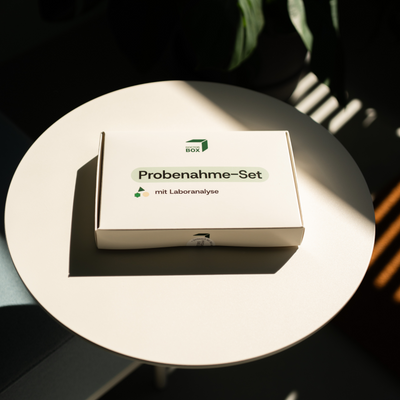
If you've been following a low-FODMAP diet for an extended period or are experiencing symptoms such as fatigue, hair loss, or frequent infections, it's advisable to have your nutrient status checked. The DoctorBox Nutrient Comprehensive Check allows you to test for important vitamins and minerals and identify any deficiencies early on – before symptoms of deficiency appear.

Sicherheit durch Testen

Jetzt wo du die Symptome kennst: Verschaffe dir Klarheit mit einem diskreten Heimtest.

Check nutrient supply

Empfohlener Heimtest

Produkt: comprehensive nutrient check

Analyse im Fachlabor
Diskrete Verpackung
Ergebnis in 72h

When is professional help needed?

Low-FODMAP diets are complex and not without risks. In certain situations, professional guidance is not only helpful but strongly recommended.

Before starting: Medical check-up

Before starting a low-FODMAP diet, any underlying medical conditions should be ruled out. Warning signs that require thorough investigation include: blood in the stool, unintentional weight loss, nighttime symptoms that disrupt sleep, symptoms after age 50, anemia or other abnormal lab results, and a family history of colon cancer or inflammatory bowel disease. These symptoms may indicate more serious conditions that should not be treated with dietary changes.

Specialized nutritional counseling

A low-FODMAP diet is most effective with professional guidance. A registered dietitian specializing in FODMAPs can: tailor the diet to your individual needs, ensure the correct reintroduction process, prevent nutrient deficiencies, and suggest alternative strategies if progress stalls. Many health insurance companies subsidize nutritional counseling for diagnosed irritable bowel syndrome (IBS) – check with your insurer.

Psychological support

Irritable bowel syndrome (IBS) has a strong psychosomatic component. Stress, anxiety, and depression can trigger or worsen symptoms—and conversely, chronic digestive problems can negatively impact mental health. If you are experiencing significant distress, anxiety about eating, or if IBS severely restricts your life, psychological support can be helpful. Cognitive behavioral therapy and gut-directed hypnotherapy have shown good efficacy in studies treating IBS.

If there is no improvement

If no significant improvement occurs after 4-6 weeks of strict elimination, the problem may not be (only) FODMAPs. Possible further steps include: SIBO testing (small intestinal bacterial overgrowth can cause similar symptoms), ruling out celiac disease (although gluten-free is not automatically FODMAP-free), histamine intolerance as a differential diagnosis, and bile acid malabsorption as a possible cause of diarrhea. Your gastroenterologist can order further tests.

In cases of eating disorder risk

Restrictive diets like low-FODMAP can trigger or exacerbate problematic eating patterns in vulnerable individuals. If you notice that your preoccupation with food is becoming obsessive, you're developing a fear of more and more foods, or meals are causing you increasing stress, seek professional help. Orthorexia and ARFID (avoidant restrictive eating disorder) can develop from well-intentioned diets.

Low-FODMAP recipe ideas for every day

Low-FODMAP doesn't mean giving up good food. Here are ideas for every meal that show how varied and delicious a low-FODMAP diet can be.

Breakfast options

Oatmeal (not in large quantities) with blueberries, walnuts, and maple syrup – a nutritious start. Scrambled eggs with spinach, tomatoes, and feta on gluten-free toast. A smoothie made with a banana (not overripe), strawberries, lactose-free yogurt, and a tablespoon of peanut butter. Gluten-free muesli without honey or fruit pieces, made with lactose-free milk. Buckwheat pancakes with fresh berries.

Lunch

Quinoa salad with cucumber, bell pepper, feta, olives, and lemon dressing – high in protein and filling. Rice bowl with fried tofu, bok choy, carrots, and a peanut sauce (without garlic). Sandwich on gluten-free bread with chicken, lettuce, tomato, and mayonnaise. Potato soup with leek greens (not the white part) and chives. Wraps made from rice paper or gluten-free tortillas with vegetables and salmon.

Dinner

Salmon with lemon butter, mashed potatoes (made with lactose-free milk), and steamed broccoli. Chicken curry with coconut milk, ginger, turmeric, bell peppers, and zucchini – served with jasmine rice. Risotto with Parmesan cheese, spinach, and shrimp (replace garlic with garlic oil). Steak with baked potatoes and green salad with balsamic olive oil dressing. Salmon tacos with coleslaw in gluten-free corn tortillas.

Snacks

Rice cakes with peanut butter. A handful of macadamia nuts or walnuts. Carrot and cucumber sticks with lactose-free yogurt dip. Hard-boiled eggs. Popcorn (homemade, without problematic spices). Dark chocolate (in moderation – check the ingredients).

Desserts

Strawberries with whipped coconut milk. Chocolate banana mousse made with ripe bananas, cocoa powder, and coconut milk. Lemon sorbet. Gluten-free oatmeal cookies sweetened with maple syrup. Panna cotta made with lactose-free cream and berry sauce.

Taste without the FODMAP bombs

The biggest culinary challenge is seasoning without onions and garlic. Your new arsenal: fresh ginger, lemon and lime, herbs (basil, oregano, thyme, rosemary, coriander), garlic oil, leek and spring onion greens, soy sauce, fish sauce (in small amounts), smoked paprika, cumin, turmeric. With creativity, any dish can be made delicious.

Häufig gestellte Fragen

No, the low-FODMAP diet is designed as a time-limited, three-phase protocol. The strict elimination phase lasts only 2-6 weeks. After that, FODMAPs are systematically reintroduced to determine individual tolerances. The goal is a long-term diet that is as varied as possible with minimal restrictions – based on your personal triggers.

Low-FODMAP diets were primarily developed for irritable bowel syndrome (IBS) and are best researched in this area. However, they can also be helpful for other functional digestive disorders, small intestinal bacterial overgrowth (SIBO), and inflammatory bowel diseases in remission. In cases of organic diseases, low-FODMAP diets should only be used as a supplement and under medical supervision.

Not quite, but often. Gluten itself isn't a FODMAP – but fructans in wheat are. Gluten-free products avoid wheat and therefore its fructans, which usually makes them low-FODMAP. But be careful: Gluten-free products can contain other FODMAPs, such as inulin as added fiber, honey as a sweetener, or legume flours. Always check the ingredient list.

FODMAPs are water-soluble, not fat-soluble. This means that if you fry garlic in oil and remove the garlic pieces, the aroma remains in the oil, but the FODMAPs stay in the garlic. Garlic oil is therefore a good alternative. Some people can also tolerate small amounts of cooked garlic after reintroducing it – this varies from person to person.

It's quite strict – otherwise you won't know if FODMAPs are really your triggers. Small 'slip-ups' can skew the results. But don't panic: If you accidentally eat something high in FODMAPs, nothing bad will happen – you might just need to extend the phase to reach a clear baseline.

It's not mandatory, but highly recommended. Studies show better results with professional guidance. A specialized nutritionist can help with proper implementation, reintroduction (during the most critical phase), and preventing nutritional deficiencies. Many health insurance companies subsidize the cost of this consultation for those diagnosed with irritable bowel syndrome (IBS).

In the short term, the strict elimination phase can reduce the diversity of the microbiome, as many prebiotic fibers are FODMAPs. This is another reason why Phase 1 should be time-limited. In Phase 3, you reintroduce as many FODMAPs as you can tolerate – this protects the gut flora in the long term. Fiber from low-FODMAP sources is also helpful in Phase 1.

FODMAPs accumulate in the gut. Even if individual foods are low-FODMAP in small amounts, combining them in a meal or throughout the day can be problematic. For example, low-FODMAP portions of bread, oats, and almonds are fine individually—but all together in one meal can contain too much fructan. Pay attention to the total amount per meal and per day.

Typically 6-8 weeks, but it can take longer. Each FODMAP group is tested individually over several days, with washout periods in between. This process requires patience and a good symptom diary. There's no point in cutting corners – only through systematic testing will you find your personal triggers and tolerances.

Yes, absolutely. A low-FODMAP diet provides all the necessary nutrients for sports and exercise. Make sure you get enough carbohydrates (rice, potatoes, gluten-free pasta), protein (meat, fish, eggs, tofu), and fluids. Some athletes even report improved performance because bloating and abdominal pain disappear during training. Don't try new foods right before important training sessions or competitions.

Bereit für den nächsten Schritt?

Du hast jetzt alle wichtigen Informationen. Sorge für deine Gesundheit mit einem zuverlässigen Heimtest.

Check nutrient supply
DoctorBox AI Advisor
Hey! 👋 What health concerns do you have? I will help you find the right test.

AI-powered – Answers may be inaccurate.