Skip to content

Ernährung & Metabolik

Drinking correctly

Hydration, electrolytes & fluid requirements for optimal health

Water is life – and drinking enough is the foundation for performance, metabolism, and well-being. Learn how much you really need, when electrolytes are important, and how to establish good drinking habits.

In short, explained

  • Guideline: 30-35 ml per kg of body weight – more during exercise, in hot weather, or when ill
  • Urine check: Light yellow is ideal – darker yellow indicates a deficiency
  • Timing: Spread throughout the day, starting in the morning, before meals
  • Electrolytes: During intense exercise (>60 min) or heavy sweating
  • Best drinks: Water, unsweetened tea, coffee in moderation.
  • Performance: Even a 2% fluid loss reduces performance.

Why water is so important

Your body is made up of about 60 percent water – in infants, even up to 75 percent, and slightly less in older people. These figures alone are impressive, but they only tell part of the story. Water isn't a passive filler that simply takes up space. It's an active player in virtually every physiological process that takes place in your body. Without water, metabolism would grind to a halt, temperature regulation would break down, nutrients couldn't be transported, and waste products would accumulate in the tissues. Water is, quite literally, the medium of life.

The diverse roles of water in the body

Water's transport function is fundamental. Every nutrient you eat—whether vitamins, minerals, amino acids, or glucose—must somehow get from your digestive tract to the cells that need it. The blood, which performs this transport task, consists of over 90 percent water. Oxygen that you breathe is also transported to every cell via the blood. In the other direction, metabolic waste products—carbon dioxide, urea, and other end products of cellular metabolism—are transported for excretion via the lungs, kidneys, and skin. Without sufficient water, this transport becomes inefficient, and the cells don't get what they need, while waste products accumulate.

Temperature regulation is another vital function. Your body must maintain its core temperature within a very narrow range – deviations of just a few degrees above or below this range can be life-threatening. The primary mechanism for this is sweat: when it gets too warm, your sweat glands secrete water onto the skin's surface, and the evaporation process draws heat away from the body. This ingenious cooling mechanism only works if there is enough water available to produce sweat. Dehydration reduces the ability to sweat, and the risk of overheating increases – particularly dangerous during physical exertion or in hot weather.

At the cellular level, water is the solvent in which the chemistry of life takes place. Enzymes, which catalyze biochemical reactions, only function in an aqueous environment. The DNA in your cells is surrounded by water, which stabilizes its structure. Communication between cells, the transmission of nerve impulses, the contraction of muscles—all these are electrochemical processes that require water as a medium. Water also lubricates joints and organs, protects the brain as a buffer against impacts, and keeps mucous membranes moist, which serve as the first line of defense against pathogens.

The immediate consequences of dehydration

The body's sensitivity to dehydration is remarkable. Even a slight loss of one to two percent of body weight in water—that's 700 grams to 1.4 kilograms for a person weighing 70 kilograms—can measurably impair physical and mental performance. The symptoms are often so commonplace that we attribute them to other causes: afternoon fatigue, a vague headache, difficulty concentrating, irritability, and reduced stamina during exercise. How often do people reach for coffee or a painkiller when a large glass of water is all they really need?

What's special about water is that your body can't really store it—not like fat as an energy reserve or calcium in your bones. The body's water content is relatively constant, and any loss must be continuously replenished. You constantly lose water: through urine, the most obvious way; through stool; through sweat, even when you're not actively sweating—known as 'insensible perspiration'; and through breathing, when moist air escapes from your lungs. For an average adult, this loss adds up to about 2 to 2.5 liters a day under normal conditions, significantly more in hot weather, during physical activity, or when ill with fever, vomiting, or diarrhea.

The good news: Simple and inexpensive

In a world obsessed with expensive supplements, complicated diets, and exotic superfoods, staying hydrated is refreshingly simple and inexpensive. You don't need special products, scientific training, or a huge budget. Tap water in Germany is of excellent quality and rigorously tested. The only investment required is a little awareness and establishing a habit. The return on this minimal investment is substantial: improved energy, clearer thinking, better physical performance, and support for virtually every bodily function. In this guide, you'll learn how much you really need, how to tell if you're well-hydrated, and how to make staying hydrated an automatic, effortless habit.

How much should you drink?

The question of the optimal amount of fluid intake is one to which there is no simple, universal answer – even though the popular '8 glasses a day' rule suggests exactly that. This recommendation, which amounts to about 2 liters daily, has been circulating in health guides and the media for decades, but it is not scientifically sound. Its origin is unclear – it may stem from a misinterpretation of an American dietary recommendation from the 1940s. The reality is more complex: actual fluid requirements are highly individual and depend on numerous factors.

A practical guideline

A body weight-based formula has proven useful as a starting point for calculating your individual needs: approximately 30 to 35 milliliters per kilogram of body weight. For someone weighing 70 kilograms, this equates to 2.1 to 2.45 liters per day. This amount represents total fluid intake – it includes not only the water you drink but also the fluid you consume through food. And this portion is by no means negligible: Approximately 20 to 30 percent of daily fluid intake typically comes from food. Fruits and vegetables can consist of up to 95 percent water, and even bread contains about 35 percent. A meal rich in watermelon or a large salad contributes significantly to hydration.

This basic formula is a guideline, not a rigid rule. Some people feel better with a little more fluid, others do well with a little less. The body has sophisticated regulatory mechanisms – thirst, urine concentration, hormonal adjustments – that help balance the body's water levels. The trick is to listen to these signals and at the same time know when the body's needs exceed the norm.

Factors that increase the need

Physical activity is the most obvious factor that increases fluid requirements. During intense exercise, you can lose 500 milliliters to over a liter of sweat per hour, and significantly more in extreme heat. This loss must be replenished – before, during, and after training. The exact amount depends on the intensity, duration, ambient temperature, and individual factors such as your sweat rate. As a general rule: For workouts lasting longer than 30 minutes or that are intense, you should consciously ensure adequate hydration and not just wait until you're thirsty.

Heat and sweating in general – even without exercise – significantly increase your fluid requirements. In summer, in tropical climates, in heated rooms with dry air, during physical work: anywhere you sweat or lose more water through respiration due to dry air, you need to drink more. Sweat isn't just water – it also contains electrolytes, especially sodium, which also needs to be replaced when sweating heavily. Altitude is a less well-known factor: at high altitudes, the air is not only thinner but also drier. With every breath, you lose more moisture. Mountaineers, skiers, and anyone spending time at high altitudes should consciously increase their fluid intake.

Illness with fever, diarrhea, or vomiting leads to dramatically increased fluid loss. With fever, fluid requirements increase by about 500 milliliters for every degree Celsius rise in temperature. Diarrhea and vomiting can cause dangerous dehydration within a short time. In these situations, aggressive rehydration—often with electrolytes—is essential. Pregnancy and breastfeeding also increase fluid requirements: Pregnant women need about 300 milliliters more daily to support the increased blood volume and amniotic fluid. Breastfeeding mothers need an additional 700 to 1000 milliliters to ensure milk production. A high-fiber diet also increases fluid requirements: Fiber binds water in the intestines, and without sufficient fluids, it can cause constipation instead of promoting digestion.

Coffee and tea – do they count?

A persistent myth claims that caffeinated drinks like coffee and tea don't count towards your fluid intake or even have a dehydrating effect. Science paints a different picture: While caffeine does have a mild diuretic effect—it temporarily increases urine production—the net effect is still positive with normal consumption. You take in more fluid with a cup of coffee than you lose through its diuretic effect. Therefore, coffee and tea do count towards your daily fluid intake. This doesn't mean they are the best sources of hydration—water and unsweetened beverages have other benefits—but the fear that your morning coffee will dehydrate you is unfounded.

Dehydration detection

Your body has amazingly sophisticated warning systems that signal when your fluid balance is disrupted. The problem is that many people ignore, misinterpret, or simply don't notice these signals—whether out of habit, distraction in the hustle and bustle of everyday life, or because the symptoms are so commonplace that they're attributed to other causes. Learning to recognize and correctly interpret the signs of dehydration is the first step toward improving your hydration habits.

The urine check: Simple and reliable

The simplest and most reliable way to assess your hydration status is to look at your urine. The color of urine is a direct indicator of its concentration: the more concentrated, the darker it is. With good hydration, your urine should be a light, straw-yellow color – similar to lemonade. If it becomes darker – honey-colored, amber-colored, or even darker like apple juice – this is a clear sign that you should drink more. Completely colorless, watery-clear urine, on the other hand, can mean that you are drinking more than necessary, which is normally harmless, but can lead to problems in extreme cases.

A few limitations should be noted: The first urine of the morning is usually darker than the rest of the day because no fluids were consumed overnight and the body retains water. This is normal and nothing to worry about – the color should lighten throughout the day. Certain B vitamins can color urine intensely yellow to neon yellow, regardless of hydration status. Some medications and foods can also affect the color. Nevertheless, urine color is the most practical and intuitive indicator for most people in everyday life.

Early warning signs you shouldn't ignore

Thirst is the most obvious signal – but ironically, it's a sign that you're already slightly dehydrated. When you feel thirsty, your body has already registered that your fluid balance is no longer optimal. Ideally, you should drink regularly before you even feel thirsty. This is especially important for older people to know: as we age, our sense of thirst diminishes. The physiological mechanisms that trigger thirst become less sensitive. Older people can be dehydrated without realizing it, which is why conscious, planned drinking is particularly important for them.

Dry mouth, a fuzzy feeling in the mouth, dry lips – these are all early signs that can appear before actual thirst. The brain is particularly sensitive to dehydration: fatigue that can't be explained by sleep, difficulty concentrating, a certain mental sluggishness, the classic afternoon slump at the office – often the cause isn't lack of sleep or boredom, but simply too little water. Before you reach for coffee, try a large glass of water. Headaches, especially a diffuse, dull pressure, are a common symptom of mild dehydration. Many people reflexively reach for a painkiller when a glass of water might be just as effective – and without side effects.

Advanced signs: When things get serious

If mild dehydration isn't addressed, the symptoms will worsen. Dizziness, especially upon standing, can occur because blood volume decreases and blood pressure drops. The heartbeat quickens as the body tries to maintain the same level of circulation with less blood. Urine production decreases significantly: you go to the toilet less often, and when you do, the urine is dark and concentrated. Constipation can develop as the intestines absorb water from the stool to stabilize fluid levels. The skin may become dry and lose its elasticity.

The classic skin test taught in first aid courses: Pinch the skin on the back of your hand between two fingers and release it. With normal hydration, it should spring back immediately. With dehydration, a pinch will remain raised briefly before smoothing out – the so-called "standing skin pinch." This test is a helpful indicator, but not perfect: In older people, the skin naturally loses elasticity, which can skew the result. If you experience the aforementioned advanced symptoms – dizziness, rapid heartbeat, significantly reduced urine output – you should drink considerably more fluids immediately, and if there is no improvement, seek medical advice. Severe dehydration can be a medical emergency requiring intravenous fluid administration.

Electrolytes – More than just water

When we talk about hydration, most people think only of water. But the story is more complex: along with water, you also lose electrolytes when you sweat – mineral compounds that are dissolved as charged particles (ions) in body fluids and are essential for fundamental physiological processes. Nerve signals are transmitted, muscles contract, and the fluid balance between body compartments is regulated – all of this depends on the correct electrolyte balance. In a normal daily routine and with moderate activity, diet is usually sufficient to replace electrolytes. But in certain situations – intense exercise, excessive sweating, illness – targeted replacement can become important.

The main players: sodium, potassium, magnesium

Sodium is the dominant electrolyte in sweat and the extracellular space—the space between cells and in blood plasma. It plays a central role in regulating fluid volume, maintaining blood pressure, and transmitting nerve impulses. Heavy, prolonged sweating—for example, during a marathon, physical work in the heat, or extended training without adequate salt intake—can lead to a sodium deficiency, known as hyponatremia. This is a serious, potentially dangerous problem that, paradoxically, can be caused not only by insufficient fluid intake but also by excessive consumption of pure water: When large quantities of water without electrolytes are ingested, the sodium in the blood becomes diluted. Symptoms range from nausea and headaches to confusion and, in severe cases, seizures.

Potassium is the main electrolyte within cells and acts as an antagonist to sodium. It is essential for normal heart function, muscle contraction in general, and nerve function. A potassium deficiency can manifest as muscle cramps, weakness, or heart rhythm disturbances. The good news is that potassium is abundant in many foods—bananas are a classic example, but potatoes, avocados, spinach, legumes, yogurt, and many other foods are also good sources. With a reasonably balanced diet, potassium deficiency is rare, but it can occur with excessive sweating or chronic diarrhea.

Magnesium is involved in more than 300 enzymatic reactions in the body, making it one of the most versatile minerals. Its roles in muscle and nerve function, as well as energy metabolism, are crucial for hydration. Magnesium deficiency is actually quite common and classically manifests as muscle cramps and twitches, but also as fatigue, nervousness, or heart rhythm disturbances. Stress, intense exercise, and alcohol consumption increase magnesium depletion. Chloride, which usually occurs together with sodium as table salt (sodium chloride), works closely with sodium in fluid regulation and becomes relevant in similar situations.

When electrolyte replacement is advisable

In everyday life, with moderate physical activity and workouts lasting less than about 60 minutes, water is usually sufficient. The electrolytes you lose are replenished through your normal diet. The situation changes with intensive training lasting longer than 60 to 90 minutes, especially endurance sports like running, cycling, and swimming. In these cases, electrolyte loss through sweat can be so significant that targeted replacement is advisable. The same applies to heavy sweating regardless of the type of exercise – physical work in the heat, a day at a hot beach, or a sauna. After illness with fluid loss due to vomiting or diarrhea, electrolyte replacement is often more important than with normal sweating because gastrointestinal absorption may also be impaired.

Practical electrolyte options

Isotonic sports drinks like Gatorade or Powerade are designed for precisely this purpose: they provide water, electrolytes, and carbohydrates. They are unnecessary for short workouts (and only provide empty calories), but can be beneficial for long endurance sessions. The downside: they often contain a lot of sugar. For those who want electrolytes without the calories, there are electrolyte powders or tablets that can be easily dissolved in water. Coconut water is a natural source of electrolytes, particularly rich in potassium, with moderate sodium and magnesium content – ​​an interesting option for fans of natural alternatives, although not ideal for every situation.

The simplest and cheapest solution for heavy sweating is often a pinch of salt in your water. It sounds unspectacular, but it's effective: sodium is the electrolyte lost most through sweating, and table salt provides exactly that. A homemade electrolyte drink is quick to prepare: 500 milliliters of water, a small pinch of salt (about a quarter teaspoon), the juice of half a lemon for some potassium and flavor, and optionally a teaspoon of honey if you want carbohydrates. Simple, inexpensive, effective – and without the additives of commercial products.

Hydration and Sport

During physical activity, fluid requirements increase dramatically. Muscles produce heat that must be dissipated – primarily through sweating. The rate of sweating varies enormously between individuals and situations: from a modest 400 milliliters per hour during light activity in cool environments to over two liters per hour during intense training in the heat. These losses directly impact performance: studies show that even a fluid loss of two percent of body weight measurably reduces endurance performance. At three to four percent, strength also suffers, and the risk of injury increases. Proper hydration is not just a matter of well-being, but can make the difference between good and poor athletic performance.

Preparation: Start training well hydrated

A common mistake is only thinking about drinking during your workout. Your hydration status before training significantly impacts your performance. The recommendation: Drink about 500 milliliters of water two to three hours before training. This gives your body time to absorb the fluid and eliminate excess water – nobody wants to start a workout with a full bladder. About 30 minutes before training, you can drink another 200 to 300 milliliters. A handy check: Your urine should be light yellow before training. If it's darker, drink more and wait until it lightens.

During training: Finding balance

During training, it's important to replenish lost fluids without overdoing it. The general recommendation for moderate to intense training is to drink about 150 to 250 milliliters every 15 to 20 minutes, increasing this amount in hot weather or during very intense activity. For training sessions under 60 minutes at moderate intensity, plain water is usually sufficient. The electrolytes you lose during this time aren't significant enough to require replacement during the workout – your next meal will take care of that.

For longer training sessions, especially endurance training, the calculations change. Training lasting 60 to 90 minutes, particularly in hot weather, can cause significant electrolyte loss. Isotonic drinks or water with added electrolytes can be helpful in these situations. An important point: listen to your body and drink according to your thirst, but don't wait until you're extremely thirsty. The sensation of thirst often lags behind actual needs. At the same time, you shouldn't rigidly adhere to a strict drinking schedule – the body isn't a simple system that requires exactly X milliliters per Y minutes.

After training: Compensating for the loss

The goal after a workout is to fully replenish lost fluids. A precise method: Weigh yourself before and after your workout (in dry clothes). Every kilogram lost corresponds to approximately one liter of fluid loss. To fully compensate for this loss, you should drink about 1.5 liters for every kilogram lost – the excess will offset the losses that continue to occur through urine and sweat during rehydration. 500 milliliters immediately after your workout is a good starting point; you can drink the rest over the next few hours.

After intense, sweaty training, electrolytes are more important than during the workout. Your stores are depleted and need to be replenished. A salty meal, an electrolyte drink, or the aforementioned DIY mix of water with a pinch of salt are good options. Milk has also proven surprisingly effective in studies for post-exercise rehydration – it provides fluids, electrolytes, protein, and carbohydrates in a convenient combination.

The underestimated risk: overhydration

While dehydration is the more common problem, there is also the opposite extreme: overhydration, medically known as hyperhydration or water intoxication. The problem is less the water itself than the dilution of electrolytes, especially sodium—the aforementioned hyponatremia. This typically affects endurance athletes, particularly those participating in longer events like marathons or triathlons, who, fearing dehydration, drink excessively without adequately replacing electrolytes. Symptoms begin with nausea, headache, and confusion, and in severe cases can progress to seizures, coma, and even death.

The lesson: Drink when you're thirsty, not according to a rigid schedule that forces you to drink more than your body tells you to. For long endurance activities, it's essential to carry electrolytes. The old advice of "drink as much as possible" is outdated and potentially dangerous. The modern recommendation is: Drink to quench your thirst, and pay attention to your electrolyte levels during long, strenuous activities.

The best drinks for good hydration

Not all drinks are equally good for hydration. While they all contain fluids, accompanying substances like sugar, caffeine, alcohol, or acids can affect absorption or have other drawbacks. A nuanced look at the different options will help you make smart choices without being dogmatic – because ultimately, the best drink is the one you actually drink.

The champions: water and unsweetened teas

Water is and remains the gold standard for hydration. It's calorie-free, readily available, inexpensive, and has no drawbacks when consumed in moderation. In Germany, tap water is of excellent quality – it undergoes stricter controls than bottled water and is significantly cheaper and more environmentally friendly (no plastic bottles, no transportation). For pure hydration, there's nothing better than tap water. Mineral water offers the added benefit of providing minerals, depending on the source – calcium, magnesium, and sometimes even significant amounts of sodium. The mineral content varies considerably between different brands and sources; those looking to specifically target minerals can look for mineral-rich water (the values ​​are listed on the label).

Unsweetened herbal and fruit teas are an excellent, calorie-free alternative to plain water – especially for those who find water bland. The selection is practically endless: peppermint for freshness, chamomile for relaxation, hibiscus with its slightly tart flavor, rooibos as a caffeine-free option with a mild, slightly sweet aroma, and fruit teas in every imaginable variety. Hot in winter, chilled in summer – herbal tea is a versatile companion for good hydration. Green and black tea contain caffeine but are still hydrating (the myth of dehydrating caffeine has been debunked). They also provide antioxidants and can count towards your daily fluid intake.

Good in moderation: coffee, milk and natural options

Coffee is a non-negotiable part of the morning routine for many people, and the good news is: it doesn't need to be deducted from your fluid intake. Moderate coffee consumption—around two to four cups a day—contributes to net hydration despite caffeine's mild diuretic effect. This doesn't mean coffee is the ideal hydration source—water has fewer potential drawbacks—but you don't need to worry about your morning coffee dehydrating you. With very high coffee consumption, the diuretic effect can become more significant, and the other effects of caffeine (sleep disturbances, nervousness) become problematic anyway.

Milk is an interesting option that performs surprisingly well in studies: it actually hydrates better than plain water. The reason lies in its composition: milk contains electrolytes, proteins, and fat, which ensure that the fluid is absorbed more slowly and retained in the body for longer. After exercise, milk (or chocolate milk) can support effective rehydration while also providing nutrients for recovery. The downside: calories, which are not present in water or tea. Coconut water is often marketed as a natural sports drink and does indeed have a good electrolyte profile—particularly rich in potassium, with moderate sodium. It's a sensible option after exercise, but not a magic elixir. Diluted fruit juices—heavily diluted, around a one-to-four ratio with water—can serve as a change and provide some flavor and electrolytes without the amount of sugar found in undiluted juice.

It's best to avoid or severely restrict your intake

Soft drinks, sodas, and energy drinks are problematic from a hydration perspective. Yes, they contain water and provide fluids, but their high sugar content—a typical can of cola contains about 35 grams of sugar, nine teaspoons—makes them calorie bombs with little nutritional value. Regular consumption is associated with weight gain, insulin resistance, tooth decay, and other problems. Energy drinks add high amounts of caffeine to the sugar, which increases their diuretic effect and raises additional health concerns. These drinks should be considered occasional indulgences, not primary sources of hydration.

Alcohol is the anti-hero of hydration. It acts as a diuretic—in fact, it dehydrates—by suppressing a hormone that normally regulates urine production. The result: You excrete more fluid than you take in with the alcoholic drink. The hangover the next morning is largely a consequence of this dehydration—headache, fatigue, dry mouth. The best strategy when consuming alcohol: Drink water between alcoholic drinks and have a large glass of water before bed.

Don't forget: Water-rich foods

Besides beverages, food also contributes significantly to hydration. Cucumbers are 96 percent water, watermelon 92 percent, tomatoes 95 percent, zucchini 94 percent, and strawberries 91 percent. A large salad or a bowl of watermelon provides not only nutrients and fiber but also a considerable amount of fluid. People who eat a lot of fresh fruits and vegetables tend to need less to stay well-hydrated.

Hydration and metabolism

Water is not just a passive component of the body that needs to be replaced when lost. It is an active participant in metabolism, influencing how efficiently your body produces energy, processes nutrients, and eliminates waste. The connection between hydration and metabolism has practical implications that go beyond simply 'drinking enough' – it touches on issues of energy levels, weight management, and overall metabolic health.

Water and calorie burning

There is indeed scientific evidence that drinking water can temporarily boost metabolism—a phenomenon known as 'water-induced thermogenesis'. Studies have shown that drinking about 500 milliliters of water can increase energy expenditure by 24 to 30 percent for approximately 30 to 60 minutes. The effect is particularly pronounced with cold water, as the body has to expend extra energy to warm it up to body temperature. Before you start drinking liters of ice water in the hope of weight loss: the absolute effect is modest—perhaps 50 to 100 extra calories burned per day with consistent water consumption. That's not nothing, but it's not a miracle cure either. Over weeks and months, this small effect can add up, but it doesn't replace fundamental changes in diet and exercise.

Water and saturation: A simple strategy

A better-documented link exists between drinking water and satiety. A glass of water before a meal partially fills the stomach and can increase feelings of fullness. Studies in overweight adults have shown that drinking about 500 milliliters of water 30 minutes before main meals can lead to reduced calorie intake—on average, about 75 fewer calories per meal. Over a day with three meals, that adds up to over 200 calories saved without any conscious effort. This simple strategy—a large glass of water before eating—is one of the least strenuous ways to support weight management.

It's also interesting how many people mistake thirst for hunger. The signals the body sends when it's thirsty and when it's hungry can be similar—a nonspecific feeling of 'I need something' that we habitually interpret as hunger. Some people eat when they're actually thirsty. If you feel hungry between meals, try this experiment: Drink a large glass of water and wait 15 to 20 minutes. Often, the perceived hunger disappears because it was actually thirst. This simple intervention can save you from unnecessary snacking and calories.

Hydration and the body's detoxification function

The term 'detox' is used excessively and often unethically in the wellness industry, but actual detoxification—the elimination of metabolic waste and toxins—is a real, vital process carried out primarily by the liver and kidneys. Both organs need sufficient water to function optimally. The kidneys filter about 180 liters of blood daily and produce one to two liters of urine, in which water-soluble waste products are excreted. In cases of dehydration, the kidneys concentrate the urine to conserve water, but this makes the elimination of waste products less efficient. Chronic mild dehydration puts a strain on the kidneys and can impair their function in the long term. The liver, the main detoxification organ, also needs sufficient fluid for its complex metabolic functions.

This doesn't mean that 'detox diets' or excessive water consumption will magically detoxify the body – it has its own built-in systems that function well with normal hydration. However, it does mean that chronic dehydration can strain these systems. Drinking enough water isn't a detox diet, but simply a prerequisite for your body to efficiently perform its normal detoxification processes.

Keep perspective

Despite all the scientific support for the benefits of good hydration, it's important to keep things in perspective. Water isn't a miracle weight-loss cure, nor does it magically detoxify. But drinking enough water optimally supports all metabolic processes and is an underestimated factor for well-being and health. Often, water is underestimated precisely because it's so simple and inexpensive – in a world that seeks complicated solutions and expensive products, the simple recommendation "drink more water" is hardly exciting. But no pill, no expensive supplement can replace what adequate hydration does for your metabolism.

Practical drinking strategies

Knowledge alone rarely changes behavior. You can know all about the importance of hydration, optimal fluid intake, and the best drinks—but if that knowledge isn't translated into practical habits, it remains theoretical. The key is to transform adequate hydration from a conscious effort into an automatic, effortless habit. The following strategies are tried and tested and can help you make that transition.

The perfect start: The morning routine

The first habit that can make the biggest difference is drinking a large glass of water right after waking up—even before coffee, breakfast, or any other activities. Overnight, you lose significant amounts of fluid through breathing and light perspiration, without replenishing it. You wake up with a slight fluid deficit. A large glass of water, about 300 to 500 milliliters, compensates for this loss and gives your metabolism a gentle boost for the day. Implementing it is simple: Place a full glass or bottle of water on your nightstand in the evening. When you wake up and see it, you drink it. The visual reminder is more important than you might think—out of sight, out of mind applies to drinking habits, too.

Visibility: The underestimated lever

People tend to drink more when water is visible and accessible. This sounds trivial, but it has profound effects. A water bottle sitting on your desk in front of you will be drunk. A water bottle in your bag will be forgotten. A glass carafe of water on the kitchen table invites you to pour yourself a drink. The tap in the next room is a barrier enough to reduce your intake. The practical consequence: Place water wherever you spend time. A bottle on your desk at work. A carafe in the kitchen. A glass next to the couch. A mug in the bathroom. The more visible and accessible the water is, the more you will drink without having to actively think about it.

Trigger-based drinking: Stacking habits

A proven technique for behavior change is 'habit stacking' – linking a new habit to an existing one. Instead of trying to 'drink more' (vaguely), you link drinking to specific triggers that already exist in your day. A glass of water before each meal – that's automatically three glasses. A glass after each trip to the toilet – you're replacing what you've just excreted. A glass when you sit down at the computer or enter a meeting. A glass when you get home. These associations make drinking automatic: The trigger (meal, toilet trip, computer) reminds you without you having to actively think about it. Over time, the sequence becomes an unconscious routine.

Technological aids: Apps and reminders

For those who value structure and reminders, there are numerous apps that remind you to drink regularly and track your intake. WaterMinder, Hydro Coach, Plant Nanny (the gamified element motivates some people) – the selection is vast. Many smartwatches and fitness trackers also have integrated drinking reminders. A low-tech alternative: simply set recurring alarms on your phone, for example, every two hours. These external reminders can be particularly helpful in the initial phase, until the habit is established. The long-term goal is to ditch the reminders and drink intuitively.

The water bottle as a constant companion

Invest in a good, reusable water bottle that you actually enjoy using. It might sound like a luxury, but it makes a difference: A bottle that feels good in your hand, doesn't leak, and is aesthetically pleasing will be used more often than a cheap, impractical alternative. The ideal size is around 750 milliliters to one liter—large enough so you don't have to constantly refill it, but not so large that it becomes cumbersome. Take this bottle everywhere: to work, shopping, in the car, to the gym. The goal is to empty the bottle completely at least two to three times a day. If you manage that, you'll be at 1.5 to 3 liters before adding in meals and other drinks.

Vary your tastes for variety

For some people, plain water is bland, and boredom kills habits. The solution: vary the flavor. Infused water – water with added fruits, herbs, or vegetables – is calorie-free or low-calorie and offers variety. Lemon slices are a classic, but the possibilities are endless: lime and mint, cucumber slices, orange slices, ginger, berries, basil, rosemary. Experiment until you find combinations you like. Alternating between water and different unsweetened teas throughout the day can also break the monotony and make drinking more interesting.

Check your nutrient status

Proper hydration is a fundamental building block of health, but it's just one piece of a larger puzzle. Water carries nutrients to the cells and removes waste products, but it can't replace what's missing. Whether you're optimally supplied with vitamins, minerals, and other essential nutrients is just as important as your fluid balance. In fact, hydration and nutrient status are linked on multiple levels.

How hydration affects nutrient absorption

Water is the body's transport medium. Every nutrient you ingest through food—whether vitamins, minerals, amino acids, or fatty acids—must somehow get from your digestive tract to the cells that need it. The blood, which carries out this transport, is over 90 percent water. With dehydration, the blood becomes thicker, transport becomes less efficient, and the supply of nutrients to the tissues can suffer. Even if your diet is perfect, chronic mild dehydration can impair the absorption and distribution of nutrients. This is an often overlooked aspect: Optimal nutrient supply requires optimal hydration.

Electrolytes: Where hydration and nutrients overlap

When you sweat heavily—from exercise, physical work, or heat—you lose not only water but also electrolytes. These minerals—sodium, potassium, magnesium, and chloride—are themselves essential nutrients with vital functions in the body. Prolonged, intense sweating without adequate replenishment can lead to subtle but noticeable deficiencies. The symptoms are often nonspecific: muscle cramps could indicate a magnesium deficiency. Fatigue and weakness may be related to potassium. General exhaustion despite sufficient sleep could have multiple causes, including electrolyte imbalances. Without a blood test, these connections are difficult to identify—the symptoms overlap with many other conditions.

Kidney function: The relationship between hydration and blood values

The kidneys are the main players in the body's water balance. They filter the blood, regulate fluid levels, excrete waste products, and maintain electrolyte balance. Chronic dehydration puts a strain on the kidneys – they have to work harder to concentrate urine and conserve water. In the long term, this can impair kidney function. Conversely, kidney problems can disrupt the body's water balance. Blood tests for kidney function – creatinine, urea, and electrolytes – provide information about kidney function and thus indirectly about the quality of your hydration. When adequately hydrated, the kidneys function optimally, and the corresponding blood values ​​are within the normal range.

When a comprehensive check makes sense

A nutrient check can provide clarity if symptoms like fatigue, concentration problems, or exhaustion persist despite good hydration habits. The cause might not be hydration, but rather a nutrient deficiency that causes similar symptoms. For people who exercise frequently, especially endurance athletes, checking their electrolyte levels can be beneficial – are you getting enough magnesium, potassium, and sodium? If you've optimized your diet and want to know if this is reflected in improved blood test results, a test provides objective data instead of guesswork. Finally, a general overview of your nutrient status can be valuable even without specific symptoms – knowing where you stand allows for targeted optimization instead of generic recommendations.

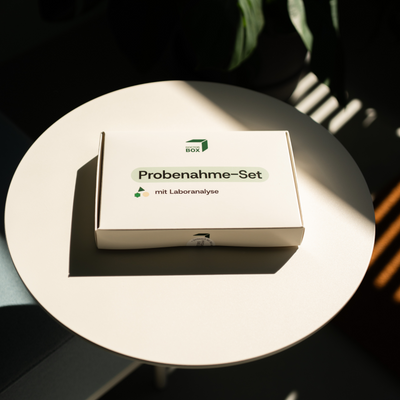
The DoctorBox Nutrient Check provides a comprehensive overview of important micronutrients and relevant markers – conveniently performed from home, with easy-to-understand analysis and specific recommendations. This helps you ensure that not only your hydration, but your overall nutrient supply is at a good level.

Sicherheit durch Testen

Jetzt wo du die Symptome kennst: Verschaffe dir Klarheit mit einem diskreten Heimtest.

Check nutrient status

Empfohlener Heimtest

Produkt: comprehensive nutrient check

Analyse im Fachlabor
Diskrete Verpackung
Ergebnis in 72h

Conclusion – Drinking as a foundation for health

If there's one health intervention that's simultaneously simple, inexpensive, immediately effective, and free of side effects, it's drinking enough water. You don't need special products, scientific training, a coach, or a large budget. Tap water in Germany is of excellent quality and costs practically nothing. The only investment required is a little attention and consciously establishing a habit. And yet, many people chronically drink too little – whether out of habit, due to distractions in their hectic daily lives, or because they attribute the subtle symptoms of dehydration to other causes.

The key messages at a glance

The optimal amount of fluid intake varies from person to person, but a good guideline is about 30 to 35 milliliters per kilogram of body weight. For someone weighing 70 kilograms, this equates to roughly 2.1 to 2.5 liters per day – including fluids from food. In hot weather, during physical activity, illness, or other factors that increase fluid loss, the need for fluids increases accordingly. The simplest way to monitor your hydration status is by observing the color of your urine: pale yellow is ideal, darker urine indicates insufficient fluid intake, and clear urine may indicate overhydration.

The distribution of fluid intake throughout the day is more important than the absolute amount consumed in a single session. Starting in the morning, drinking before meals, and establishing trigger-based habits – these strategies make adequate hydration an automatic routine rather than a constant conscious effort. Water and unsweetened beverages should be the primary sources. Coffee and tea count towards your fluid intake and are perfectly fine in moderation. Soft drinks, energy drinks, and alcohol should be considered indulgences, not primary sources of hydration.

Electrolytes aren't usually a concern during normal daily life and moderate exercise – our diet provides enough. However, targeted replenishment becomes more important during intense exercise lasting 60 to 90 minutes, heavy sweating, or illness leading to fluid loss. A DIY electrolyte drink made with water, a pinch of salt, and a little lemon juice is a simple, inexpensive, and effective solution.

The underestimated factor for well-being

Many people seek complicated solutions to everyday problems: afternoon fatigue, difficulty concentrating, vague headaches, reduced performance. They reach for coffee, supplements, expensive products. Yet the answer is often surprisingly simple: more water. Before attempting complex interventions, optimize the basics. Drink a large glass of water when you feel sluggish and wait 30 minutes. The surprise is often how much of a difference this simple measure makes.

This doesn't mean that water is a cure-all. It doesn't replace sleep, exercise, a balanced diet, or medical treatment for genuine health problems. But it is the foundation upon which everything else is built. Every physiological process—from nutrient transport and energy metabolism to temperature regulation—functions better when the body is adequately hydrated.

From knowledge to habit

The knowledge from this guide is only valuable if you translate it into practical habits. Tonight, place a glass of water on your nightstand to start tomorrow. Keep a bottle on your desk. Link drinking to existing routines—before meals, after using the bathroom, when you sit down. Over time, these small actions will become automatic, and you'll drink without actively thinking about it. Water is life—and drinking enough of it is one of the kindest things you can do for your body. Make it a non-negotiable habit, and your body will thank you in countless ways.

Häufig gestellte Fragen

Yes, theoretically that's possible – so-called hyperhydration or water intoxication. In this condition, the sodium level in the blood becomes dangerously low (hyponatremia). However, this only happens with extreme amounts (several liters in a short time) without electrolytes, typically in endurance athletes. For everyday life, it's practically impossible to drink too much – your body regulates itself through urine. Listen to your thirst and don't force yourself to drink excessively.

In Germany, both options are high-quality. Tap water is strictly controlled, inexpensive, and environmentally friendly (no plastic bottles). Mineral water provides additional minerals (calcium, magnesium) depending on the source. Both are equally good for hydration. If you want to specifically target mineral intake, you can look for mineral-rich water (it will be indicated on the label). Ultimately, the best water is the one you enjoy drinking regularly.

A persistent myth. While caffeine does have a mild diuretic effect, with normal coffee consumption (2-4 cups) the net effect is still positive – you take in more fluid than you lose through the diuretic effect. Coffee therefore counts towards your fluid balance. Only with very high caffeine consumption or in people who are not used to caffeine can the diuretic effect be stronger.

Another myth claims that drinking with meals disrupts digestion by diluting stomach acid. This is not scientifically proven. Stomach acid adapts, and moderate amounts of fluids do not impair digestion. A glass of water with a meal is perfectly fine. Too much (several glasses) might cause bloating in some people, but it does not lead to digestive problems.

Frequent urination at night (nocturia) can have several causes: drinking too much shortly before bedtime, caffeine or alcohol in the evening, or underlying medical conditions. Strategy: Distribute the majority of your fluid intake throughout the day and drink less 2-3 hours before bedtime. If you still frequently need to get up during the night, this could indicate other problems – consult a doctor if it persists.

It depends. Severe dehydration is visible on the skin, but simply drinking more water doesn't automatically lead to radiant skin. Skin is nourished from both the inside and the outside. Drinking enough water supports skin health, but it's not a miracle cure for dryness. Other factors (humidity, skincare, age, diet) also play a role. Good baseline hydration is important, but expectations of radiant skin solely from drinking more water are often unrealistic.

For workouts under 60 minutes at moderate intensity, water is sufficient. Sports drinks are designed for longer endurance training sessions where you sweat a lot and lose electrolytes. For short workouts, they provide unnecessary calories and sugar. An alternative for longer workouts is water with a pinch of salt and a little fruit juice, or sugar-free electrolyte tablets. Sports drinks are marketing products – unnecessary for most recreational athletes.

Yes, and that is indeed one of the most common causes of mild headaches. The brain is very sensitive to dehydration. Dehydration headaches often feel like a dull, throbbing pain, sometimes accompanied by light sensitivity. Before reaching for a painkiller, drink a large glass of water and wait 30-60 minutes. Often, the problem resolves itself. For frequent headaches, a regular hydration routine is the simplest form of prevention.

Children often forget to drink while playing. Pay attention to the color of their urine (light yellow), moist mouth, and energy levels. Signs of dehydration in children include dry lips, fewer wet diapers in babies, tiredness, irritability, and sunken eyes. Offer water regularly, especially during activity and in hot weather. Make drinking more appealing with colorful cups, straws, or water bottles with favorite characters.

This tradition from Ayurveda and Traditional Chinese Medicine has followers, but its effectiveness is not scientifically proven. What is true is that a glass of water in the morning (warm or cold) stimulates the metabolism and can promote bowel movements. Whether warm is better than cold is individual. Some people like warm water in the morning, others don't. The most important thing is to drink something in the morning – the temperature is secondary.

Bereit für den nächsten Schritt?

Du hast jetzt alle wichtigen Informationen. Sorge für deine Gesundheit mit einem zuverlässigen Heimtest.

Check nutrient status
DoctorBox AI Advisor
Hey! 👋 What health concerns do you have? I will help you find the right test.

AI-powered – Answers may be inaccurate.