Skip to content

Ernährung & Metabolik

DASH Diet – The Complete Guide

Scientifically proven: Lowering blood pressure through diet

The DASH diet is one of the best-researched diets worldwide – developed to lower high blood pressure with effects comparable to medication. This guide explains the principles, gives practical tips for implementation, and shows you how to sustainably improve your heart health.

In short, explained

  • Goal: To lower blood pressure through dietary changes (8-14 mmHg possible)
  • Basis: Plenty of fruit, vegetables, whole grains, low-fat dairy products, legumes
  • Reduce: salt (max. 2,300 mg/day), saturated fats, sugar, red meat
  • Key: Potassium, magnesium, and calcium from natural sources
  • Effect: Effects measurable after just 2 weeks
  • Bonus: Also improves cholesterol, weight, and diabetes risk

What is the DASH diet?

The DASH diet (Dietary Approaches to Stop Hypertension) is one of the most thoroughly researched dietary approaches. Originally developed to lower high blood pressure, it has become established as a comprehensive approach to heart health and overall well-being. It is recommended by leading health organizations worldwide, including the American Heart Association and the German Hypertension League.

What's special about the DASH diet is that it's not a short-term diet, but a sustainable eating pattern that focuses on food groups rather than individual nutrients. The emphasis is on fruits, vegetables, whole grains, low-fat dairy products, lean meat, and fish – while salt, saturated fats, sugar, and red meat are reduced.

The scientific basis is impressive: In clinical studies, the DASH diet lowered systolic blood pressure by an average of 8-14 mmHg – an effect comparable to some blood pressure medications. It can be particularly effective for people with high blood pressure, but even those with normal blood pressure benefit from its preventative effects.

This guide explains the principles of the DASH diet in detail, shows which foods should be on your plate, and gives practical tips for implementing it in everyday life. You'll learn why this way of eating has effects far beyond lowering blood pressure and how you can adapt it to your personal needs.

The science behind the DASH diet

The DASH diet wasn't developed by chance, but is based on extensive research. Understanding the scientific basis helps to consistently implement the principles in everyday life.

The origins

In the 1990s, the US National Heart, Lung, and Blood Institute (NHLBI) funded studies investigating the relationship between diet and blood pressure. The researchers wanted to find out whether changing the overall dietary pattern—not just individual nutrients—could lower blood pressure.

The DASH study

The original DASH study (1997) compared three dietary patterns: a typical American diet, a diet rich in fruits and vegetables, and the complete DASH diet. The result: The DASH diet lowered blood pressure the most—significant improvements were measurable within just two weeks. The effect was even more pronounced in participants with hypertension.

DASH sodium: The salt component

A follow-up study (DASH-Sodium) investigated the additional effect of salt reduction. The result: The combination of the DASH diet and low salt intake (less than 1,500 mg sodium per day) showed the strongest blood pressure-lowering effect. But even moderate salt reduction enhanced the effect of the DASH diet.

How does the DASH diet work?

Several mechanisms explain the blood pressure-lowering effect: Potassium: Plenty of fruits and vegetables provide potassium, which counteracts sodium and relaxes the blood vessels. Magnesium: Whole grains, nuts, and legumes provide magnesium, which also has a vasodilating effect. Calcium: Dairy products provide calcium, which is involved in blood pressure regulation. Fiber: Improves insulin sensitivity and indirectly lowers blood pressure. Lower sodium intake: Reduces water retention and vascular tension. Lower saturated fat intake: Improves vascular function.

Beyond blood pressure

Later studies showed further benefits: lowering of LDL cholesterol, reduced risk of heart attack and stroke, improved insulin sensitivity, support for weight management, and possibly protection against certain types of cancer.

The DASH food groups in detail

The DASH diet defines clear recommendations for different food groups. The portion sizes are based on a calorie intake of approximately 2000 kcal per day and can be adjusted accordingly.

Vegetables – 4-5 portions daily

One serving is approximately: 1 cup raw leafy greens, 1/2 cup cooked vegetables, 1/2 cup vegetable juice. All vegetables are welcome – green leafy greens, broccoli, carrots, tomatoes, bell peppers, squash. High in potassium, magnesium, and fiber.

Fruit – 4-5 portions daily

One serving is roughly equivalent to: 1 medium-sized fruit, 1/4 cup dried fruit, 1/2 cup fresh or frozen fruit, 1/2 cup fruit juice (use juice sparingly – whole fruit is better). Apples, bananas, oranges, berries, melons – variety is key.

Whole grain products – 6-8 portions daily

One serving is approximately: 1 slice of whole-wheat bread, 1/2 cup of cooked rice, pasta or grains, 30g of muesli. Oats, whole-wheat bread, brown rice, quinoa, whole-wheat pasta. Important source of fiber, B vitamins and magnesium.

Low-fat dairy products – 2-3 servings daily

One serving is approximately: 1 cup of milk or yogurt, 45g of cheese. Low-fat milk, yogurt, and cheese are recommended. These are important sources of calcium and vitamin D. For those with lactose intolerance: lactose-free options or calcium-fortified plant-based milk.

Lean meat, poultry, fish – 6 portions or less per day

One serving is approximately 30g of cooked meat, poultry, or fish. That sounds like a small amount – intentionally so. DASH emphasizes plant-based protein sources. If meat is included, it should be lean and skinless. Fish, especially fatty fish (salmon, mackerel), is good for its omega-3 fatty acids.

Nuts, seeds, legumes – 4-5 portions per week

One serving is approximately: 1/3 cup nuts, 2 tablespoons seeds, 1/2 cup cooked legumes. Almonds, walnuts, sunflower seeds, lentils, chickpeas, beans. Rich in magnesium, potassium, and plant-based protein.

Fats and oils – 2-3 portions daily

One serving is approximately: 1 tsp vegetable oil, 1 tbsp mayonnaise, 2 tbsp salad dressing. Olive oil or rapeseed oil are preferable. Reduce saturated and trans fats.

Sweets and sugar – 5 portions or less per week

One serving is roughly equivalent to: 1 tablespoon of sugar, 1 cup of soda. Reduce significantly, but don't eliminate completely – this increases long-term adherence.

Salt reduction – The key factor

Salt reduction is a key aspect of the DASH diet. Most people consume significantly more salt than recommended, which raises blood pressure and increases cardiovascular risk.

The sodium recommendations

The standard DASH diet recommends a maximum of 2,300 mg of sodium per day – roughly equivalent to one teaspoon of salt. The DASH sodium variant goes further, recommending 1,500 mg or less for maximum blood pressure reduction. For comparison, the average daily intake in Germany is around 3,000–4,000 mg.

Where is sodium hiding?

Only about 10% of sodium comes from the salt shaker. The majority is found in processed foods: bread and baked goods (surprisingly much), sausages and cold cuts, cheese, ready meals and canned goods, soups and broths, snacks (chips, crackers), sauces and dressings. Even supposedly 'healthy' foods can be high in salt: whole-grain bread, cottage cheese, canned tomatoes.

Strategies for salt reduction

Cook from scratch: The most effective way. You control how much salt goes into your food. Read labels: Compare sodium content. Choose 'low salt' or 'reduced sodium' if available. Reduce gradually: Your taste buds will adjust. After a few weeks with less salt, regular food will taste 'too salty'. Herbs and spices: Replace salt with rosemary, thyme, basil, garlic, lemon juice, or pepper. Potassium salt: Partially replace it with potassium chloride (caution with kidney disease – consult your doctor). Eat out: Ask for dishes to be prepared without salt or with less salt. Order sauces and dressings separately.

What about potassium?

Potassium acts as a natural antagonist to sodium. It helps excrete excess sodium and relaxes blood vessels. The DASH diet is naturally rich in potassium due to its high fruit and vegetable content. The optimal sodium-potassium ratio becomes more important than the absolute amount of sodium.

How quickly does the salt reduction take effect?

Effects on blood pressure often become apparent within 2-4 weeks. In some people the effect is stronger than in others ('salt sensitivity'). Even without a dramatic reduction in blood pressure, salt reduction has long-term cardiovascular benefits.

DASH diet in practice – weekly plan and recipe ideas

Theory is one thing, implementation is another. Here you'll find practical inspiration for your DASH diet.

A typical DASH day

Breakfast: Oatmeal with fresh berries, chopped walnuts and low-fat milk. Served with an orange and a glass of water.

Snack: A handful of unsalted almonds and an apple.

Lunch: Large salad with mixed greens, chickpeas, cucumbers, tomatoes, bell peppers, olives, and grilled chicken breast strips. Dressing made with olive oil and lemon juice. Served with a slice of whole-wheat bread.

Snack: Low-fat yogurt with a few grapes.

Dinner: Grilled salmon with lemon and herbs. Served with quinoa and steamed broccoli with a drizzle of olive oil.

Dessert: A portion of fresh fruit salad.

Breakfast ideas

Whole-wheat toast with avocado and a poached egg provides an energy-packed start to the day. A smoothie made with spinach, banana, berries, and low-fat milk delivers vitamins. Natural yogurt with unsweetened muesli, nuts, and fresh fruit is quick and easy to prepare. Scrambled eggs with tomatoes and mushrooms, served with whole-wheat bread, are a classic and satisfying meal.

Lunch and dinner

Lentil soup with carrots, celery, and fresh herbs is warming and high in protein. Whole-wheat pasta with tomato sauce (homemade, low-salt), vegetables, and grated Parmesan cheese offers a taste of Italy. A Buddha bowl with brown rice, roasted vegetables, edamame, and tahini dressing is colorful and nutritious. A chicken and vegetable stir-fry with bell peppers, zucchini, broccoli, and cashews is quick and versatile. Baked cod with potatoes and green beans provides a light meal.

Snacks

Vegetable sticks (carrots, cucumbers, bell peppers) with hummus are crunchy and filling. A handful of unsalted nuts provides healthy fats. Fresh fruit is always a good choice. Low-fat cheese with whole-grain crackers (low in salt) satisfies the appetite.

Meal Prep Tips

Cook larger quantities of grains (rice, quinoa) in advance over the weekend for the week ahead. Chop vegetables for salads and snacks. Prepare legumes and freeze portions. Make your own salad dressings – this way you control the salt content.

DASH diet and weight management

Although the DASH diet was primarily developed to lower blood pressure, it also supports weight management – ​​and weight loss in turn lowers blood pressure.

Why DASH helps with weight loss

The DASH diet is not calorie-reduced, but it naturally promotes a healthy weight: High fiber: Whole grains, fruits, vegetables, and legumes keep you feeling full for longer. Fewer processed foods: These are often high in calories and don't satisfy hunger. Less sugar: Reduces empty calories. High protein: Legumes, fish, and lean meat promote satiety. Mindful eating: The structure of the diet encourages attention to what you eat.

Combining DASH and calorie reduction

If weight loss is a goal, you can combine the DASH principles with moderate calorie reduction: Slightly reduce portion sizes (but maintain the same proportions). Choose particularly low-calorie options (more vegetables, less oil). Eliminate optional sweets entirely. Move more – exercise enhances the blood pressure-lowering effects.

The role of physical activity

The DASH studies showed a reduction in blood pressure without additional exercise. However, physical activity enhances all these effects: a further reduction in blood pressure of 4-9 mmHg, better weight management, improved insulin sensitivity, and increased well-being. Recommendation: 150 minutes of moderate activity per week (walking, cycling, swimming).

DASH as a long-term approach

Unlike crash diets, DASH is designed for long-term success. It's not about rapid weight loss, but about a sustainable change in eating habits. This also makes DASH suitable for maintaining weight after weight loss. Studies show that people are better able to stick to the DASH diet long-term than with restrictive diets.

Blood pressure and weight – The connection

Being overweight is a major risk factor for high blood pressure. Every kilogram of weight loss can lower systolic blood pressure by about 1 mmHg. For overweight individuals, the combination of the DASH diet and weight loss is particularly effective – the effects are additive.

Who benefits most from the DASH diet?

The DASH diet was developed for high blood pressure, but its benefits extend far beyond that. Various groups of people can particularly benefit.

People with high blood pressure

The most obvious target group. For those already diagnosed with high blood pressure, DASH can: help reduce medication dosage (only in consultation with a doctor!), enhance the effects of medication, and prevent further increases in blood pressure. Studies show reductions of 8-14 mmHg systolic blood pressure – this is clinically significant.

People with prehypertension

Blood pressure readings between 120-139/80-89 mmHg are considered elevated, but not yet hypertension. At this stage, DASH can be particularly valuable in preventing hypertension and avoiding the need for medication.

People with a family history of risk

Prevention is especially important when high blood pressure or heart disease runs in the family. DASH offers an evidence-based preventive approach.

People with elevated cholesterol

The DASH diet also lowers LDL cholesterol ('bad' cholesterol) and improves the overall lipid profile – through less saturated fat and more fiber.

People with diabetes or insulin resistance

DASH improves insulin sensitivity and can help control blood sugar. Emphasizing whole grains and fiber, and reducing sugar intake, supports blood sugar regulation.

Older people

The risk of high blood pressure increases with age. DASH is a safe, drug-free strategy for blood pressure control that also positively influences other age-related risks (osteoporosis, sarcopenia) – through calcium, protein, and exercise recommendations.

overweight people

Obesity and high blood pressure are closely linked. DASH supports weight management and blood pressure reduction simultaneously.

Pregnant women with gestational hypertension

For high blood pressure during pregnancy, DASH can be a safe dietary adjustment under medical supervision. Salt intake should not be restricted too drastically – consult your doctor.

DASH diet for kidney disease – Special instructions

The DASH diet is generally heart-healthy, but caution is advised for those with kidney disease. The high amounts of certain nutrients can be problematic for people with impaired kidney function.

The problem: Potassium and phosphorus

The DASH diet is rich in potassium (from fruits, vegetables, and legumes) and contains moderate amounts of phosphorus (from dairy products and whole grains). This isn't a problem for healthy kidneys, as they regulate these minerals. However, in chronic kidney disease (CKD), the kidneys can no longer effectively excrete excess potassium and phosphorus. High potassium levels (hyperkalemia) can cause dangerous heart rhythm disturbances. High phosphorus levels promote bone loss and arteriosclerosis.

DASH in mild renal impairment

In mild CKD (stage 1-2), DASH can often be used unchanged – the kidneys are still compensating. Regular blood tests (potassium, phosphorus) are important. Discuss DASH with your nephrologist.

DASH in advanced kidney disease

In CKD stages 3-5 or during dialysis, the DASH diet must be modified: Choose low-potassium fruits and vegetables (apples, berries instead of bananas, oranges). Prefer low-phosphorus protein sources. Consider reducing dairy products. Individualized dietary counseling with a kidney specialist is essential.

DASH for the prevention of kidney disease

Interestingly, DASH can reduce the risk of kidney disease. High blood pressure is a major cause of chronic kidney disease. By lowering blood pressure, DASH protects the kidneys preventively. Studies show that DASH reduces the risk of kidney stones.

The importance of medical supervision

For any kidney disease – even mild cases – diet should be discussed with the treating physician or nephrologist. Recommendations must be adapted to individual kidney function and blood test results. DASH is a starting point, not a rigid protocol.

Check cardiovascular health

The DASH diet aims for measurable improvements in cardiovascular health. Regularly checking your levels helps monitor progress and stay motivated.

Blood pressure – The main indicator

Blood pressure is the most important marker for DASH success. Normal blood pressure is below 120/80 mmHg. Values ​​between 120-129/<80 are considered elevated, and 130-139/80-89 are considered stage 1 hypertension. Measurement: Ideally, take your blood pressure regularly at home with a validated device, always at the same time, after a few minutes of rest. Document your readings to identify trends.

Cholesterol and blood lipids

DASH also affects the lipid profile: LDL cholesterol ('bad') should decrease, HDL cholesterol ('good') remains stable or increases, and triglycerides may decrease. A lipid profile every 1-5 years (depending on risk) is recommended.

Blood sugar

Fasting blood glucose and HbA1c provide information about blood glucose regulation. DASH can improve insulin sensitivity – particularly relevant for those at risk of or with existing diabetes.

Body weight and waist circumference

Regular weigh-ins reveal weight trends. Waist circumference is an indicator of visceral fat – this abdominal fat is particularly risky for cardiovascular disease. Target values: waist circumference under 102 cm for men, under 88 cm for women.

Inflammatory markers

CRP (C-reactive protein) indicates systemic inflammation, which is associated with a risk of heart disease. Healthy diets like DASH can lower inflammatory markers.

Check the cardiovascular status

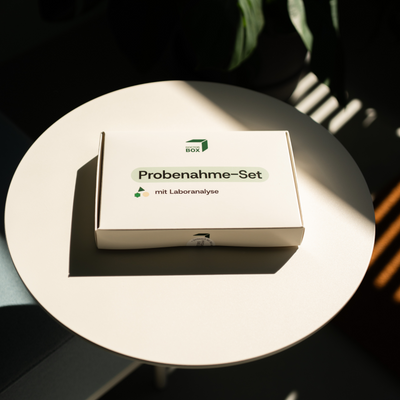
If you want to know about your cardiovascular health – especially if you have high blood pressure, elevated cholesterol, or a family history of cardiovascular disease – a comprehensive check-up can be beneficial. The DoctorBox cardiovascular check-up allows you to conveniently test important values ​​such as cholesterol, triglycerides, and inflammatory markers from home and monitor your progress.

Sicherheit durch Testen

Jetzt wo du die Symptome kennst: Verschaffe dir Klarheit mit einem diskreten Heimtest.

Check cardiovascular status

Empfohlener Heimtest

Produkt: cardiovascular check

Analyse im Fachlabor
Diskrete Verpackung
Ergebnis in 72h

Common challenges and solutions

Switching to DASH can present challenges. Here are practical solutions for the most common hurdles.

'The food tastes bland without salt'

This is the most common complaint – and it disappears over time. Your sense of taste adapts to lower amounts of salt. After 2-3 weeks, you'll find normal amounts of salt taste too salty. Until then: Experiment with herbs (rosemary, basil, oregano, thyme), spices (paprika, curry, cumin), acidity (lemon juice, vinegar), spiciness (chili, pepper), and roasted flavors (sautéing onions, roasting vegetables).

'Cooking from scratch is too time-consuming'

Meal prep is key. Prepare grains, legumes, and vegetables over the weekend. Use frozen vegetables—they're nutrient-dense and quick to cook. Invest in simple recipes with few ingredients. Slow cookers or pressure cookers save time. Not every meal has to be elaborate—sometimes bread with avocado and tomatoes is all you need.

'DASH is expensive'

Fresh fruits and vegetables can be expensive, but seasonal produce is cheaper. Frozen foods are an affordable alternative. Legumes are extremely inexpensive and filling. Eating less meat saves money. Cooking from scratch instead of using convenience foods is cheaper in the long run. The savings on healthcare costs far outweigh the additional expenses.

'Eating out is difficult'

Restaurants typically use a lot of salt. Strategies: Ask for dishes prepared with little or no salt. Choose simple dishes (grilled fish, steamed vegetables). Order sauces and dressings separately. Order a starter salad instead of a bread basket. Choose restaurants that serve fresh food. Don't be a perfectionist – occasional exceptions are okay.

'My family doesn't eat with us'

DASH is not a 'diet', but healthy eating that's good for everyone. Introduce changes gradually. Add salt to food at the table – that way everyone can adjust it to their own taste. Cook the main course according to DASH principles and offer side dishes that everyone enjoys.

'I see no results'

Give the diet at least 2-4 weeks. Check that you're really following all the principles – especially the salt reduction. Some people are less salt-sensitive. Even without a dramatic drop in blood pressure, you'll have long-term benefits. If you have persistently high blood pressure: consult a doctor.

Häufig gestellte Fragen

Clinical studies have shown improvements in blood pressure after just two weeks. The full effect is typically achieved after two to four weeks. The reduction can be 8–14 mmHg systolic – often greater in people with hypertension than in those with normal blood pressure. Combining this with salt reduction enhances the effect.

Never stop or reduce medication without consulting your doctor! The DASH diet can enhance the effects of medication and sometimes allow for a dose reduction – but this must be decided and monitored by a doctor. Some people can actually do without medication in the long term, while others need a combination of diet and medication.

Absolutely! DASH is a generally healthy eating pattern that goes beyond lowering blood pressure: It improves cholesterol levels, supports weight management, reduces the risk of heart disease, stroke, and diabetes, and provides all essential nutrients. As a preventative measure, DASH is especially valuable for those with a family history of cardiovascular disease.

The standard DASH diet recommends a maximum of 2,300 mg of sodium per day (about 1 teaspoon of salt). The stricter DASH sodium variant recommends 1,500 mg or less for maximum blood pressure reduction. For comparison, the average intake is 3,000–4,000 mg. Approximately 75% of sodium comes from processed foods, not from the salt shaker.

Yes, but in moderation. DASH recommends a maximum of 6 portions (30g each) of lean meat, poultry, or fish per day – that's about 180g total. The focus is on plant-based protein sources (legumes, nuts). If you do eat meat, choose lean (skinless chicken breast, lean beef) and unprocessed (no sausage, no bacon).

Yes! DASH can easily be adapted to a vegetarian diet – legumes, nuts, and dairy products provide sufficient protein. A vegan version is possible with adjustments: calcium-fortified plant-based milk instead of dairy products, more legumes and tofu for protein, and possibly vitamin B12 supplementation. The plant-based components of DASH (fruits, vegetables, whole grains, legumes) are the core of the diet anyway.

Both are evidence-based, heart-healthy eating patterns with some overlap: plenty of fruits, vegetables, whole grains, legumes, and healthy fats. Differences: DASH places a greater emphasis on salt reduction and low-fat dairy products. The Mediterranean diet emphasizes olive oil, moderate wine consumption, and is less structured. Both are effective—choose the one that better suits your lifestyle.

DASH wasn't primarily developed for weight loss, but it supports weight management: high-fiber foods are satiating, while fewer processed foods and sugars reduce empty calories. For active weight loss, combine DASH with moderate calorie reduction and increased physical activity. Every kilogram of weight loss lowers blood pressure by approximately 1 mmHg.

DASH is a balanced diet with no significant risks for most people. Possible initial adjustments: Increased fiber may temporarily cause bloating (this subsides after 1-2 weeks). Reduced salt intake may initially affect taste. Caution is advised for those with kidney disease due to the high potassium content – ​​consult your doctor. If taking medication: Monitor your blood pressure regularly, as the dosage may need to be adjusted.

The DASH diet provides approximately 4,700 mg of potassium per day – significantly more than the average diet (around 2,500 mg). This high potassium intake is a key factor in its blood pressure-lowering effect: potassium acts as an antagonist to sodium and relaxes blood vessels. For individuals with healthy kidneys, this high potassium level is safe and even desirable. However, in cases of kidney disease, potassium intake must be medically monitored.

Bereit für den nächsten Schritt?

Du hast jetzt alle wichtigen Informationen. Sorge für deine Gesundheit mit einem zuverlässigen Heimtest.

Check cardiovascular status
DoctorBox AI Advisor
Hey! 👋 What health concerns do you have? I will help you find the right test.

AI-powered – Answers may be inaccurate.