What is colorectal cancer screening?
Colorectal cancer screening means detecting precancerous lesions (polyps) and early tumors before symptoms appear. The goal is to prevent disease or detect it early enough to be curable . In Germany, participation is recommended from the age of 50; the exact intervals depend on the type of test and individual risk.
Why screening works
Most colorectal cancers develop from benign polyps. Removing these during a colonoscopy significantly reduces the risk of developing colorectal cancer. Studies have shown that regular screening significantly reduces mortality .
Who benefits most?
- People aged 50 and over (age-dependent baseline risk)
- People with a family history of the disease
- People with chronic inflammatory bowel diseases (individual medical decision)
Important: Screening is intended for people without symptoms . If symptoms are present, consult a doctor first.
Symptoms & warning signs
Colorectal cancer often causes no symptoms in its early stages. That's why screening is so important. Nevertheless, pay attention to warning signs and seek medical advice if they occur.
Early signs
- Undetected bleeding (sometimes only detectable in tests)
- Changes in bowel habits over several weeks
- Unexplained fatigue or drop in performance
Late warning signs
- Blood in the stool, sometimes dark (tarry stool)
- Unexplained weight loss
- Persistent abdominal pain, cramping discomfort
When should I see a doctor?
If changes persist , blood is visible, or there is severe pain: seek prompt medical attention. Screening does not replace the evaluation of symptoms.
Causes & risk factors
Colorectal cancer develops through a combination of age, genetics, and lifestyle. Individual risk varies.
Non-modifiable factors
- Age (risk increases after 50+)
- Family history, certain hereditary syndromes
- Chronic inflammatory bowel diseases
Modifiable factors
- Little physical activity, overweight, tobacco smoke
- Alcohol consumption, highly processed meats
- Low-fiber diet
Who should start earlier?
If you have a family history, an earlier start may make sense. Talk to your doctor about it.
Diagnosis & tests
In Germany, there are two main ways for early detection: the FIT stool test (immunological test for blood in the stool) and colonoscopy (examination of the colon). Both have clear advantages and complement each other.
FIT stool test
Easy to use at home. Detects occult blood in the stool. If the result is positive, a colonoscopy is necessary for clarification. Suitable for anyone who prefers a non-invasive approach.
Colonoscopy
Gold standard for early detection. Allows for the direct removal of polyps (polypectomy). Bowel cleansing is required beforehand. Complications are rare; your individual risk will be explained by your doctor.
Intervals & Participation
- Stool test: regularly as recommended (e.g., annually or every 1–2 years)
- Colonoscopy: longer intervals if results are normal
Where to get tested? Primary care offices, specialists, health insurance programs, or certified at-home test providers.
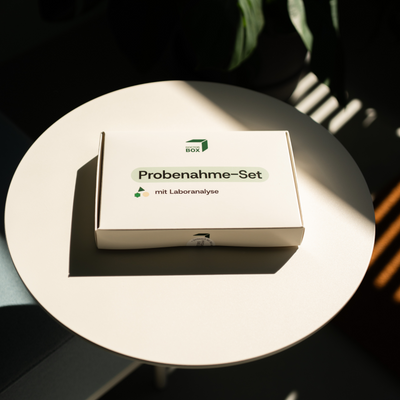
Produkt: colon cancer screening
Treatment & therapy
If colorectal cancer is detected, treatment depends on the stage, location, and individual factors. The earlier the diagnosis, the better the chances of a cure.
Early Stages
Polyps are removed during endoscopy. Early carcinomas can be treated minimally invasively.
Advanced Stages
Combinations of surgery, chemotherapy, and possibly radiation. The goal is cure or disease control. Multidisciplinary tumor boards determine the treatment plan.
Prognosis
Colorectal cancer detected early has very good survival rates. Regular follow-up ensures long-term outcomes.
Complications & consequences
Without screening, colorectal cancer is often detected late. This increases the risk of metastases and complex treatments. Screening significantly reduces these risks.
Without early detection
- Late diagnosis, costly therapies
- Higher risk of complications
After polypectomy/colonoscopy
Serious complications are rare (e.g., bleeding, perforations). Medical practices will inform patients about the risks beforehand.
Aftercare
After the removal of larger polyps, follow-up intervals are established. Adherence to these intervals provides lasting protection.
Prevention & prophylaxis
In addition to screening, you can actively do something for your gut. Lifestyle factors influence risk.
Diet & exercise
- Lots of fiber (whole grains, vegetables, legumes)
- Little processed meat
- Regular exercise (150+ minutes/week)
Other factors
- Stay smoke-free, limit alcohol
- Keep weight stable in the normal range
Participate regularly
The most important element of prevention remains participating in screening as recommended.
Life after diagnosis & follow-up care
A diagnosis can be unsettling – but early detection is an opportunity. Many people live with few symptoms after polyp removal or treatment.
After a normal endoscopy
Great: The recommended standard intervals apply until your next check-up.
After polyp removal
You will receive an individual follow-up interval. Please keep your appointments – this keeps the risk low.
Mental health
Talk about your concerns with doctors, counseling centers, or trusted people. Information reduces anxiety.
Costs & Health Insurance
In Germany, statutory health insurance companies cover organized colorectal cancer screening from the age of 50, according to program recommendations. Details (intervals, age limits) may change and are regularly updated.
Services
- Stool test : at set intervals
- Colonoscopy : if required/age-related or if the test is abnormal
Private insurance
Reimbursements vary depending on your plan. Check with your insurance company.
Tip: Don't miss out on participation letters/invitations and take advantage of in-person consultations.
Myths & facts
Many myths circulate about screening. Here are three common ones – and what's actually true.
"I have no complaints, so I don't need a screening."
False. Early stages are often asymptomatic . That's precisely why prevention is important.
"Stool tests are unreliable"
Modern FIT tests are quality-assured and an effective initial screening method. A positive result is always confirmed by colonoscopy.
"Colonoscopy is always painful"
The examination is often performed under sedation and is well tolerated. A consultation addresses individual questions and risks.