30 days without alcohol: What happens to body and mind
Taking a break from alcohol can improve sleep, energy levels, weight, and liver function—and create a new awareness of your drinking habits. This guide accompanies you through all phases: from the first few days and social challenges to the question of what to do next.
An alcohol break – also known as 'Dry January', 'Sober October', or simply alcohol-free time – is a conscious, temporary abstinence from alcohol. Unlike permanent abstinence, it involves a defined period, usually 30 days or more, during which you completely abstain from alcoholic beverages.
Why this topic is important: Alcohol is so normalized in our society that we often underestimate its influence. The after-work beer, the glass of wine with dinner, the drink at a party – many people drink regularly without being aware of how alcohol affects sleep, energy, weight, mood, and long-term health. Taking a break makes these effects visible.
The figures are clear: Approximately 8 million Germans consume alcohol at risky levels. Even 'moderate' drinking has measurable effects on the body. Taking a conscious break allows one to reflect on their relationship with alcohol and experience the physical and mental changes without it.
This guide will walk you through all aspects of taking a break from alcohol: from the scientifically proven benefits and practical tips for social situations to reflecting on how you want to handle alcohol afterward. Whether you're taking a break for health reasons, are curious about the changes, or simply want to try something new – you'll find everything you need to know here.
What alcohol does in the body
To understand the benefits of taking a break, it is helpful to know how alcohol affects the body – and which processes recover when you take a break.
Alcohol and the liver
The liver bears the brunt of alcohol breakdown, metabolizing approximately 90% of the alcohol consumed. This process produces toxic byproducts, particularly acetaldehyde, which can damage liver cells. Regular consumption can lead to fatty liver disease, hepatitis, and, in the long term, cirrhosis. The good news is that the liver has a regenerative capacity. Liver function tests begin to normalize after just a few weeks of abstinence.
Alcohol and sleep
While alcohol may make you tired and help you fall asleep, it also severely disrupts sleep architecture. REM sleep (important for memory and recovery) is reduced. You wake up more frequently, especially in the second half of the night when the alcohol is metabolized. Sleep is less restorative, even if you sleep for the correct number of hours. The result: fatigue the next day, despite seemingly sufficient sleep.
Alcohol and the brain
Alcohol affects neurotransmitters and depresses the central nervous system. In the short term: disinhibition, slowed reactions, impaired judgment. In the long term: regular consumption can contribute to anxiety and depressive moods – paradoxically, conditions that many try to 'treat' with alcohol. Mood often stabilizes after a few weeks of abstinence.
Alcohol and digestion
Alcohol irritates the stomach lining and can lead to heartburn, gastritis, and digestive problems. It disrupts the balance of the gut microbiome and can make the intestinal barrier more permeable ('leaky gut'). Without alcohol, digestion typically recovers quickly.
Alcohol and metabolism
Alcohol provides 'empty' calories (7 kcal/g) without nutrients. It inhibits fat burning – the body prioritizes breaking down the toxic alcohol. It affects blood sugar and insulin levels. Feelings of hunger and cravings often increase. Without alcohol, metabolism normalizes, and weight loss becomes easier.
The benefits of taking a break from alcohol
The benefits of taking a break from alcohol are well documented – through scientific studies and through millions of people who have completed 'Dry January' and similar challenges.
Better sleep
One of the most noticeable effects: Without alcohol, REM sleep normalizes, you wake up less often during the night, your sleep becomes deeper and more restful, and you wake up feeling more refreshed. Many notice the difference after just a few days.
More energy
Without the energy loss due to alcohol breakdown and disrupted sleep: More stable energy throughout the day, no 'afternoon slump' related to the previous evening's drink, more mental clarity, better concentration.
weight loss
Alcohol is high in calories: A glass of wine has about 120 kcal, a beer about 150 kcal, and a cocktail can have 300+ kcal. Then there are the snacks afterward. Without alcohol: Reduced calorie intake, normalized hunger signals, and improved fat burning. Studies on Dry January show an average weight loss of 1-2 kg with otherwise unchanged diets.
Improved skin
Alcohol dehydrates and dilates blood vessels. Without alcohol: better skin hydration, less redness and "wine face", clearer complexion, and for some, blemishes disappear.
money saved
Don't underestimate the cost: alcohol is expensive. A month without drinks can mean significant savings.
Improved liver function
Liver function tests (gamma-GT, AST, ALT) begin to normalize after just 2-4 weeks. In cases of existing fatty liver, even a one-month break can lead to improvement.
Psychological benefits
Less anxiety and depressive mood (after initial adjustment), emotional stability, pride and self-confidence through perseverance, new awareness of drinking habits.
The timeline – What happens when?
Your body begins to recover immediately. Here's what you can expect in the different phases.
The first 24-72 hours
The alcohol is metabolized, and the body begins to regenerate. Possible withdrawal symptoms with regular consumption include restlessness, mild anxiety, and sleep problems. The liver can focus on other functions. Blood sugar levels stabilize. With heavy, regular consumption, withdrawal symptoms may be more severe – seek medical advice if you have any concerns.
Days 3-7
Sleep begins to improve. Energy and focus increase. Sugar cravings may occur (alcohol is also a sugar). Some experience emotional fluctuations while neurotransmitter levels stabilize. Skin begins to recover.
Week 2
Sleep quality improves significantly. Digestion normalizes. Initial weight changes are possible. Liver function begins to improve. Mood often stabilizes.
Weeks 3-4
The full effects become noticeable: improved skin, a more stable mood, more energy. Liver function may have improved significantly. Many report improved self-esteem. The habit of not drinking becomes established.
One month and beyond
Blood pressure may have decreased. Liver function is often normalized or significantly improved. Weight loss of 1-3 kg is common. Long-term patterns become apparent – how much of your previous condition was alcohol-related?
Important NOTE
This timeline applies to moderate drinkers. With heavy, long-term consumption, withdrawal symptoms can be serious (tremors, severe anxiety, hallucinations). In this case: Do not quit cold turkey, but seek medical help.
Mastering social situations
The biggest stress factor during a break from alcohol is often not the abstinence itself, but the social situations. Our society is organized around alcohol – parties, dates, networking, the end of the workday.
Change the social script
Many people drink out of habit, not desire. The beer after work, the glass of wine with dinner – these are rituals. You can keep the ritual and just change the drink: non-alcoholic beer, a mocktail, sparkling water with lemon.
What to say?
You don't need a long explanation. Options: 'I'm not drinking right now.' 'I'm taking a break.' 'I'm still driving.' 'I'm taking medication.' (if you don't want to explain). The more matter-of-factly you say it, the less likely people are to ask questions. Apologies or justifications invite discussion.
Coping with pressure
Some people react to your decision not to drink with discomfort – it reflects their own relationship with alcohol. Typical reactions: 'Just one glass!', 'Don't be such a baby,' 'What's wrong with you?' Strategies: Refuse politely but firmly. Change the subject. If pressured persistently: 'I've made my decision, this is my limit.' True friends will respect your decision.
Alternative drinks
Having a drink in hand eases the social pressure. Options include: non-alcoholic beer (there's a good selection these days), mocktails (virgin mojito, nojito, seedlip-based drinks), sparkling water with lime/cucumber/mint, straight tonic water, kombucha, and non-alcoholic ginger beer. In some bars, you can ask the bartender to mix you 'something interesting without alcohol'.
Adapt environments
In the first few weeks, it can help to reduce alcohol-related situations. Instead of a pub: go to a café, the cinema, or for a walk. If you go to a party: leave early, before everyone is drunk. Avoiding difficult situations isn't a weakness – it's a strategy.
Dealing with challenges
Taking a break from alcohol isn't always easy. Here are strategies for the most common challenges.
Desire and habit
The craving often arises situationally: the end of the workday, Friday nights, stress. It's less about physical withdrawal than about ingrained habit. Strategies: Identify your triggers (time, place, emotion). Create new rituals: exercise after work, tea instead of wine, a walk when stressed. When a craving arises: wait 10-15 minutes – it will pass. Distract yourself: a phone call, a task, a walk. Remind yourself why you crave it.
boredom
'What do I do in the evenings without drinking?' Alcohol often fills time. Without it, you realize how few other activities you have. Solution: Discover new hobbies (or revive old ones). Sports, reading, cooking, tackling projects. Free time is a gift, not emptiness.
Emotional processing
Many people unconsciously use alcohol to regulate their emotions – to dampen stress, reduce social anxiety, and banish boredom. Without alcohol, these emotions surface unfiltered. This is unpleasant at first, but important. You learn to deal with emotions differently. If strong negative emotions arise that you can't handle alone – seeking professional support is not a weakness.
Sleep problems initially
Paradoxically, sleep may initially worsen before improving. The body has become accustomed to alcohol as a sleep aid. This usually normalizes after 1-2 weeks. Tips: Improve sleep hygiene, establish a routine, magnesium can help, avoid caffeine after midday.
FOMO (Fear of Missing Out)
The fear of missing out when others are drinking. Reality check: What are you really missing? Drunken conversations no one remembers? The hangover the next day? You're not missing anything – you're gaining clarity, memories, and a free tomorrow.
When is medical supervision important?
For most people, taking a break from alcohol is safe and healthy. But for some, caution is advised.
Warning signs of physical dependence
If you regularly drink large amounts (more than 2-3 drinks a day) and then stop abruptly, serious withdrawal symptoms can occur: severe tremors, sweating, intense anxiety or panic, increased heart rate and blood pressure, nausea and vomiting, insomnia, and in severe cases, seizures and hallucinations (delirium tremens). Alcohol withdrawal can be medically dangerous. If you are physically dependent, do not stop alone – medical supervision is essential.
When to see a doctor.
See a doctor if: You drink daily and cannot stop without discomfort. You drink in the morning to 'function normally'. You have already experienced withdrawal symptoms. You are unsure about its safety. There is no shame in seeking help – quite the opposite.
Professional support
Options: Your family doctor as a first point of contact, addiction counseling centers (free, anonymous), online programs and apps, self-help groups (AA, SMART Recovery), therapists specializing in addiction. Taking a break can be the first step towards longer-term change – use it as an opportunity to reflect on your relationship with alcohol.
Liver values as an indicator
If you're unsure how much damage has already been done, a liver check can help. Elevated gamma-GT, AST (GOT), or ALT (GPT) levels indicate liver stress. After a break, these values should improve – a measurable success of your efforts.
Alternative drinks and rituals
Taking a break from alcohol doesn't mean you have to drink only water. There are now excellent alternatives.
Non-alcoholic beer and wine
The quality of non-alcoholic beers has improved dramatically. Many are virtually indistinguishable from regular beer in terms of taste. Non-alcoholic wine is more difficult to judge – some like it, many find it disappointing. Try different brands. A word of caution: "Alcohol-free" usually means less than 0.5% alcohol – technically not zero. This isn't a problem for most people, but it's worth being aware of.
mocktails
Non-alcoholic cocktails can be just as complex and satisfying as alcoholic ones. Basics: Virgin Mojito (mint, lime, sugar, soda), Shirley Temple (ginger ale, grenadine, cherry), Nojito (rum-free mojito). Advanced: Seedlip, Lyre's, and other non-alcoholic spirits allow for complex drinks.
Herbal and spiced drinks
Kombucha offers complexity and a touch of acidity. Ginger beer (alcohol-free) is spicy and interesting. Shrubs (fruit-vinegar syrups with soda) are tart and refreshing. Bitter lemon and tonic water have character.
Hot drinks
Herbal teas in the evening (chamomile, lavender), golden milk (turmeric, ginger), hot chocolate as a reward. These can replace the 'winding down' ritual.
Establish new rituals
The drink itself is often less important than the ritual. An after-work ritual: changing clothes, exercising, then a non-alcoholic beer. A weekend ritual: brunch with a fancy mocktail instead of a mimosa. A social ritual: meeting at a café instead of a bar. It's about fulfilling the function of drinking (relaxation, reward, community) in a different way.
Check your health
Taking a break from alcohol offers the perfect opportunity to check your health – before and after.
Liver values
The liver is the organ most directly affected by alcohol. Relevant values: Gamma-GT (GGT): Often the first value to rise after alcohol consumption. GOT (AST) and GPT (ALT): Indicate liver cell damage. Alkaline phosphatase: May be elevated in cases of liver problems. Normal values do not automatically mean no damage, but elevated values are a warning sign. After a break from alcohol, elevated values should decrease – a measurable success.
Fat levels
Alcohol affects blood lipids: Triglycerides are often elevated with regular consumption. HDL ("good" cholesterol) may be slightly increased with moderate consumption – but the overall effect of alcohol on the cardiovascular system is negative. After a break, triglycerides often return to normal.
Blood sugar
Alcohol has a complex effect on blood sugar – it can lower or raise it. Regular consumption can contribute to insulin resistance. Taking a break from alcohol can improve blood sugar regulation.
blood pressure
Regular alcohol consumption raises blood pressure. Even after a break of just 1-2 weeks, blood pressure can drop. A simple success that can be measured at home.
Check your status
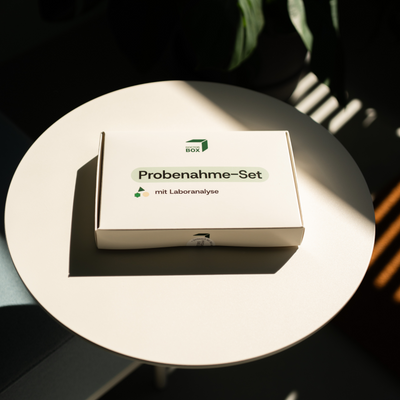
If you want to know how your liver is doing – especially after years of regular use, or to measure the success of your break – the DoctorBox Liver Check offers a simple way to do so. You can conveniently test important liver values from home and see in black and white how your body is reacting to the break.
Sicherheit durch Testen
Jetzt wo du die Symptome kennst: Verschaffe dir Klarheit mit einem diskreten Heimtest.
The break is over – but what then? The time afterwards is crucial for long-term change.
Reflection before the first drink
Before you automatically start drinking again, ask yourself: What did I learn during the break? What benefits do I want to retain? How much do I want to drink in the future? Why do I want to drink now – for enjoyment or out of habit? A conscious decision is different from unconsciously slipping back into old patterns.
Setting new boundaries
Many people define new rules for themselves after a break: drinking only on weekends, never more than X drinks, no drinks during the week, only on special occasions, avoiding certain drinks (e.g., spirits). These rules are personal – what's important is that they suit you and that you stick to them.
Mindful Drinking
A new trend: mindful drinking instead of abstinence or unconscious consumption. Drink slowly and savor the moment, ask yourself before each drink: Do I really want this? After an alcoholic drink: drink water, listen to your body.
Schedule regular breaks
Many people make abstaining from alcohol a regular thing: every January (Dry January), a week every month, several alcohol-free days per week. These routines prevent consumption from gradually increasing again.
If you find it difficult
If, after taking a break, you find yourself quickly reverting to old patterns or struggling to control your drinking, this is important information. It could be a sign that professional support would be helpful. There's a spectrum between 'no problem' and 'alcoholism' – and support is available and legitimate at every point on that spectrum.
The break as a beginning
For some, the 30-day break marks the beginning of a longer period of abstinence or reduced alcohol consumption. That's a valid decision. For others, it's a reset, after which they enjoy alcohol more consciously. Both paths are valid – as long as they are chosen consciously.
Häufig gestellte Fragen
At least 30 days are recommended to experience real changes. The first 1-2 weeks are for adjustment; after that, you'll feel the benefits. Some people do 60 or 90 days for deeper change. Even one week shows small effects – but for lasting insights and measurable improvements (liver function, sleep, weight), 30+ days are advisable.
With moderate consumption (a few drinks per week): probably no physical symptoms, at most a craving for the habit. With regular consumption (1-2 drinks daily): possibly mild restlessness, sleep problems, and irritability in the first few days. With heavy consumption (several drinks daily): withdrawal symptoms can be serious – medical supervision is recommended. If in doubt: talk to a doctor before you stop abruptly.
Many people lose weight, but not everyone. Factors include how many calories you saved by not drinking alcohol, whether you replace those calories with other things (sweets, snacks), and your overall eating habits. Studies show an average weight loss of 1-2 kg with Dry January. If you also abstain from alcohol-induced snacks and binge eating, the effect can be greater.
Yes, this is a common phenomenon. Your body has become accustomed to alcohol as a 'sleep aid,' even though it actually disrupts sleep. Falling asleep may be more difficult the first few days without it. After 1-2 weeks, sleep typically improves significantly – deeper, more restful, with better REM sleep. Hang in there, it will get better!
Simply and confidently: 'I'm not drinking right now,' 'I'm taking a break,' 'I'm still driving,' or even just 'No, thank you.' You don't have to justify yourself. The more naturally you say it, the less questions will arise. If someone insists, 'That's my decision' is a complete answer. Having a drink in your hand (non-alcoholic) often relieves the social pressure.
'Alcohol-free' usually means less than 0.5% alcohol – technically not zero, but negligible (a glass of orange juice can contain a similar amount). For a break, it counts as alcohol-free. Some still avoid it because it maintains the 'drinking ritual' and can trigger cravings. Others find it helpful as a substitute. Your decision – both are valid.
Liver function tests often begin to improve after just 2-4 weeks. Gamma-GT typically reacts the fastest. In cases of existing alcohol-related fatty liver disease, a one-month break can already bring about improvement. Depending on the initial levels and duration of consumption, complete normalization may take longer. A liver function test before and after the break will show your progress.
Absolutely – and you'll probably perform better! Without alcohol: better recovery, better sleep, better hydration, more energy. Many report running their best times or setting new training records during their breaks. Exercise can also help manage cravings – go for a run instead of reaching for a beer.
If you have a drink once, the break isn't ruined. Analyze what happened: the situation? The emotion? The pressure? Learn from it and move on. One slip-up doesn't define the entire break. The all-or-nothing mentality ("It doesn't matter now anyway") is counterproductive. Get up and continue alcohol-free the next day. That's more powerful than striving for perfection.
For most people: yes, and highly recommended. Caution is advised in cases of: physical alcohol dependence (daily, heavy consumption over a prolonged period) – do not stop abruptly, but seek medical supervision. A history of anxiety disorders or depression – the break can stir up emotions. Pregnancy/Breastfeeding: Alcohol-free anyway, but medical supervision is recommended if you previously consumed alcohol regularly. If in doubt: talk to your doctor.
Bereit für den nächsten Schritt?
Du hast jetzt alle wichtigen Informationen. Sorge für deine Gesundheit mit einem zuverlässigen Heimtest.