Skip to content

Alltag & Arbeit

Craftsmanship & physical labor: Maintaining the body in the long term

Prevention, compensation and regeneration for physically active workers

Physical labor wears down the body – if you don't take countermeasures. This guide shows how tradespeople, construction workers, and those in physically demanding jobs can protect their bodies and maintain their ability to work for decades.

In short, explained

  • Technique: Lift with your legs, back straight
  • Balance: Stretch and strengthen what is neglected.
  • Protective equipment: knee pads, good shoes, hearing protection
  • Warning signs: Don't ignore pain

Craftsmanship and physical labor: The body as a tool

While office workers worry about not getting enough exercise, people in physically demanding jobs have the opposite problem: too much repetitive strain. Tradespeople, construction workers, caregivers, warehouse workers – they move all day long, but often at the expense of their bodies.

Physical labor is not synonymous with fitness. On the contrary: the repetitive movements, heavy lifting, and awkward postures lead to wear and tear. A 50-year-old bricklayer usually has more joint problems than an office worker of the same age.

That's the irony: the body, which is our most important tool at work, is damaged during work. Without a healthy body, there's no ability to work – and yet body protection is often neglected.

This guide is aimed at people who do physical work and want to maintain their physical health in the long term. It covers prevention, balance, proper techniques, and warning signs that should not be ignored.

The good news: With the right approach, physical work can be possible even in middle age and beyond, without destroying the body.

Understanding typical stress patterns

Every physically demanding job has its own stress patterns. Understanding these is the first step towards prevention.

Lifting and carrying: Back injuries are a classic problem. Herniated discs, chronic back pain, muscle tension. Those affected include warehouse workers, removal workers, caregivers, and construction workers. The lumbar spine bears the brunt of the strain.

Overhead work: Painters, electricians, plumbers – those who work a lot overhead put strain on their shoulders and neck. Impingement syndrome, rotator cuff problems, chronic neck pain.

Kneeling and squatting: Tile layers, gardeners, plumbers – prolonged kneeling puts strain on the knee joints. Osteoarthritis, bursitis (inflammation of the bursa), meniscus damage.

Vibration: Jackhammers, chainsaws, heavy machinery – vibrations are transmitted to the hands, arms, and spine. Raynaud's syndrome (white finger disease), nerve damage, joint problems.

Repetitive movements: assembly line work, but also crafts with the same movements over and over again. Tendonitis, carpal tunnel syndrome, chronic overuse.

Standing: Hairdressers, cooks, salespeople – standing all day puts strain on legs, feet, and back. Varicose veins, plantar fasciitis, chronic back pain.

The solution is never simply to stop working. But knowing which structures are under particular strain allows for targeted compensation and prevention.

Proper lifting and carrying: Technique saves your back

Most back injuries during physical work occur when lifting. The good news: proper technique dramatically reduces the risk.

Basic rule: Lift with your legs, not your back. Sounds simple, but is constantly ignored under time pressure. Your back should remain straight; the power comes from your leg muscles.

Close to the body: The further the weight is from the body, the greater the leverage on the spine. Bring the object as close to your body as possible before lifting it.

Don't twist: Lifting and twisting at the same time is a recipe for herniated discs. Lift first, then shift your feet to change direction.

Estimate the weight: Test the weight before lifting. It's better to get help or use aids than to overestimate your strength.

Use aids: hand trucks, pallet jacks, lifting platforms, carrying straps – they exist for a good reason. Using them is not a weakness, but intelligence.

Take breaks: Repetitive lifting fatigues the muscles and increases the risk of injury. Take regular short breaks, even when time is tight.

Training: A strong core and strong legs protect the back. Specific strength training outside of work – not adding to the strain, but preparing for the strain.

Compensatory training: The body needs counter-movements

Physical labor is not a substitute for sport – it is often the opposite. The one-sided strain needs to be balanced out.

The principle: What shortens during work must be stretched. What is neglected must be trained. What is overloaded needs recovery.

For lifting professions (back strain): Core training, but also stretching of the hip flexors and chest muscles. Strengthen back extensors, but gently – not more weight, but controlled movement.

For overhead work: scapular stabilization, rotator cuff training (light weights, resistance band). Chest stretches to counteract shoulder hunch.

For knee strain: Strengthen thigh muscles (quadriceps, hamstrings) to stabilize the knees. Maintain mobility, don't lose it.

For those in jobs that require standing: calf stretches and foot exercises. Moving your legs outside of work is also important – paradoxically, more movement helps combat tired legs from standing.

In general: Endurance training for the cardiovascular system. Physical work is strenuous, but usually not cardiovascularly demanding. A healthy heart helps to bear the strain.

Timing: Not directly after work when your body is already tired. In the morning before work (if possible) or on days off. Short sessions (15-20 minutes) are more effective than nothing at all.

Protective equipment and ergonomics in the workplace

Personal protective equipment (PPE) is not only for acute accidents – it also protects against long-term wear and tear.

Knee pads: For anyone who kneels regularly. Gel pads are more comfortable, while hard shells offer better protection on rough surfaces. Not optional, but essential.

Back support belts: Controversial – they can help with heavy lifting, but they don't replace proper technique and can even weaken back muscles with prolonged use. Use only as needed, not continuously.

Good footwear: Crucial for jobs that require standing. Good cushioning, arch support, and slip resistance are essential. Safety shoes don't have to be uncomfortable – invest in quality ones.

Gloves: They not only protect against injuries but also against vibration (special anti-vibration gloves). For repetitive gripping: Gloves with good grip reduce the force required.

Hearing protection: Constant noise damages your hearing – not dramatically and suddenly, but gradually over years. Wear hearing protection, even if it's uncomfortable.

Ergonomic tools: Tools with ergonomic handles, lighter machines, tools with vibration damping. Investing in good tools is an investment in your health.

Work organization: Rotation between different tasks to reduce repetitive strain. Avoid performing the same movement for hours on end.

Nutrition for people doing physical work

Physical work consumes more energy than office work. Nutrition needs to reflect this, but in an intelligent way.

Calorie requirements: A construction worker can burn 3000-4000 calories a day. This needs to be replenished, but not with currywurst and chocolate bars. The quantity of calories is higher, so the quality should be too.

Protein: Muscle maintenance and repair require protein. 1.2-1.6 g per kilogram of body weight. Good sources: meat, fish, eggs, dairy products, legumes. Distribute your intake throughout the day, not just in the evening.

Carbohydrates: The main energy source for physical work. Complex carbohydrates (whole grains, potatoes, rice) provide sustained energy, not sugar for short-term spikes.

Breakfast: Don't skip it. A hard day's work without breakfast is like starting a car without gas. A balanced breakfast should include protein, carbohydrates, and some fat.

Lunch break: Don't just grab a currywurst from a snack bar. Prepared food from home is usually better and cheaper. Avoid heavy meals – feeling stuffed and doing physical work don't mix.

Snacks: Regular small snacks keep energy levels constant. Nuts, fruit, whole-grain bread – better than going for hours without eating and then experiencing intense cravings.

Hydration: Physical activity, especially in the heat, leads to fluid loss through sweating. Drink enough fluids regularly, not just when you feel thirsty. If you sweat heavily, replace electrolytes.

Warning signs: When the body needs a break

The line between 'normal' workload and injury is blurry. But the body sends signals – learn to read them.

Acute pain: Sudden, sharp pain is a warning sign. Stop immediately, do not continue working. Acute injuries heal better when treated immediately.

Chronic pain: Pain that doesn't go away after work, that's already there in the morning. This isn't 'normal work-related pain', but a sign of overexertion.

Numbness and tingling: Nerve compression due to swelling or poor posture. Can indicate carpal tunnel syndrome, a herniated disc, or other nerve damage. Do not ignore.

Swelling: Joints or tendons that swell are inflamed. This requires relief, possibly medical treatment.

Limited mobility: When you can no longer perform movements that were previously possible. A sign of wear and tear or injury.

Exhaustion that doesn't go away: Chronic fatigue despite sleep can indicate overtraining of the body – even if it's 'only' work and not sport.

The male tendency: Many men in physically demanding jobs ignore warning signs out of misplaced pride or fear of losing work time. This is a mistake. A problem addressed early is a small problem. An ignored problem becomes a big one.

Regeneration and recovery

Physical work requires physical recovery. This is not laziness, but a necessity for longevity.

Sleep: The most important factor for regeneration. 7-9 hours. During sleep, the body repairs tissue, builds muscle, and processes stress. Chronic sleep deprivation leads to faster wear and tear.

Active recovery: Light exercise on days off – walking, leisurely cycling, swimming. Promotes blood circulation and recovery without adding extra strain.

Stretching and Mobility: Regularly stretching the stressed structures. Yoga or mobility routines can help prevent muscle shortening and maintain flexibility.

Massage and self-treatment: fascia rolling, trigger point therapy, professional massage. Releases tension, promotes blood circulation, accelerates recovery.

Heat and cold: Warm baths or saunas relax the muscles. Cold (ice baths, cold showers) can reduce inflammation. Experiment to see what works best for you.

Vacation: Consider it not a luxury, but a necessity. Several weeks a year without physical work demands allow for deeper regeneration.

Weekends: At least one day a week should be truly physically relaxing. Not the day for house construction and gardening – that's more stress than relaxation.

Long-term perspective: Preserving the body

Physically demanding jobs have an expiration date if you're not careful. But with the right management, you can work for decades.

Your 20s: At this age, the body is resilient and recovers quickly. But: This is when the foundations are laid. Poor technique and a lack of preventative care will come back to haunt you later.

Your 30s: The first warning signs can appear. Wear and tear becomes apparent, recovery takes longer. Time to seriously think about balance and prevention.

The 40s: The body is less forgiving. What was 'put away' in the 20s starts to resurface. Smart adjustments can prolong careers – stubbornly continuing can end them.

The 50s and beyond: Possible, but only with adaptation. Less heavy loads, more experience and technique instead of brute strength. Mentoring younger colleagues, transitioning to less demanding roles.

Career change: Sometimes the smartest move is to switch from physical labor to related fields – foreman, instructor, quality control, planning. The experience remains valuable, while the body is spared strain.

Early retirement and occupational disability: The worst-case scenario. Statistically, people in physically demanding jobs have a higher risk of occupational disability. Insurance isn't paranoia, it's realism.

The investment: Time and energy spent on prevention, balance, and recovery are not wasted resources. They are investments in a longer, healthier working career.

Sicherheit durch Testen

Jetzt wo du die Symptome kennst: Verschaffe dir Klarheit mit einem diskreten Heimtest.

Check your fitness

Empfohlener Heimtest

Fitness Check Pro

Fitness Check Pro

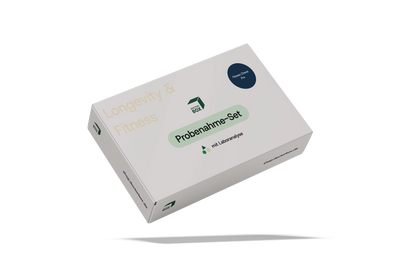
Fitness Check Pro – Your health and performance check for body & heart. The Fitness Check Pro gives you comprehensive insights into your muscle an...
Analyse im Fachlabor
Diskrete Verpackung
Ergebnis in 72h

Frequently asked questions about crafts and physical labor

Do I need additional training if I do physical work?

Yes, but not in the way you might think. Physical labor isn't a balanced strain – it's one-sided and repetitive. Cross-training (stretching, strengthening neglected muscles, cardio) is important to keep the body in balance and prevent wear and tear.

How can I prevent back problems when lifting heavy objects?

Proper technique is crucial: Lift with your legs, keep your back straight, and hold the load close to your body. Use aids when possible. Outside of work: Strengthen your core muscles. Don't ignore the first warning signs; take action.

I do physical work and yet I'm overweight – how can that be?

Physical work does burn calories, but diet often outweighs calorie expenditure. Large portions, unhealthy convenience food, and after-work beer are common culprits. Furthermore, physical fatigue often leads to inactivity during leisure time. Critically examining your diet is the first step.

My knees always hurt after work – is that normal?

No. A certain degree of fatigue is normal, but pain is a warning sign. Possible causes include: lack of knee pads, poor squatting technique, or weak thigh muscles. If the pain persists, consult a doctor.

Which dietary supplements are beneficial for people who do physical labor?

A balanced diet should be the foundation. Potentially helpful: Omega-3 (anti-inflammatory), Vitamin D (if sunlight is limited), protein supplements (if dietary needs are difficult to meet), and magnesium (for muscle recovery). These are not miracle cures, but supplements.

How much sleep do I need after physically demanding work?

More than average – 8-9 hours is often ideal for those doing physical work. The body needs this regeneration time. Chronically insufficient sleep accelerates wear and tear and increases the risk of injury.

Should I continue working or take a break if I'm in pain?

It depends on the type of pain. Mild muscle fatigue after a strenuous day is normal and simply requires rest. Acute, sharp pain – stop immediately. Chronic pain that doesn't go away – consult a doctor before it worsens.

How do I protect my hands during repetitive work?

Wear appropriate gloves (for the specific task), take regular breaks, and change your grip techniques whenever possible. Stretch and mobilize your hands and forearms. Numbness or tingling is a warning sign of carpal tunnel syndrome – treat it early.

What can I do in the evening to recover faster?

Gentle stretching of the affected areas, a warm shower or bath, sufficient protein and fluid intake, and early bedtime are all helpful. Avoid falling asleep on the couch; instead, focus on conscious rest. Limit alcohol consumption, as it impairs sleep quality and therefore recovery.

When should I start thinking about changing careers?

If chronic pain is impacting your life, if you can no longer perform your job as before, if the prognosis shows further deterioration, it's better to make a proactive change than to be forced into it by injury. Experience in physical labor is valuable – there are related professions with less strain.
Bereit für den nächsten Schritt?

Du hast jetzt alle wichtigen Informationen. Sorge für deine Gesundheit mit einem zuverlässigen Heimtest.

Check your fitness
DoctorBox AI Advisor
Hey! 👋 What health concerns do you have? I will help you find the right test.

AI-powered – Answers may be inaccurate.

Submit Withdrawal Request

Please fill out the following form to submit your withdrawal request.