Skip to content

Spezielle Lebenslagen

Budget-friendly healthy eating: Eat well on a budget

Healthy eating doesn't have to be expensive.

Eating healthily is possible even on a tight budget – if you know how. This guide reveals affordable nutritional powerhouses, smart shopping strategies, and recipes for those on a budget.

In short, explained

  • Affordable basics: legumes, rolled oats, eggs, frozen vegetables
  • Save on protein: Quark, milk, canned fish instead of expensive meat.
  • System: Weekly plan, shopping list, meal prep
  • Avoid: Superfoods, processed foods, brands

Budget-friendly health: Healthy eating doesn't have to be expensive

Healthy eating is expensive – that's the common misconception. And yes, organic superfoods and specialty products do cost money. But a healthy basic diet is also possible on a small budget, sometimes even cheaper than unhealthy fast food.

The problem is often not the money, but the knowledge. Which foods are affordable and nutritious? How do I plan to avoid waste? Where can I shop smartly?

Discount stores aren't the enemy of health. At Aldi, Lidl, and Penny, you can find all the basics for a healthy diet at prices that work. It just takes a strategy.

This guide shows you how to eat well on a budget – practical tips, affordable shopping lists and recipe ideas for those on a tight budget.

The cheapest nutrient-rich foods

Some foods offer a lot of nutritional value per euro. These should form the basis of your diet.

Legumes: lentils, beans, chickpeas – protein powerhouses at bargain prices. Dried, they cost less than €2 per kilo; a single serving costs mere cents. They keep you full for a long time and are incredibly versatile.

Oatmeal: About €1 per kilo, complex carbohydrates, fiber, even some protein. Perfect breakfast. No need for expensive muesli.

Eggs: Excellent protein, all essential amino acids, vitamins. Under €2 for 10, even organic under €4. One of the best value-for-money foods available.

Frozen vegetables: Often more nutrient-rich than 'fresh' vegetables that have been sitting for days. Peas, beans, spinach, mixed broccoli – under €2 per kilo. No spoilage, always ready to hand.

Potatoes: Inexpensive, filling, and more nutritious than their reputation suggests. Vitamin C, potassium, fiber (with skin). Under €1 per kilo.

Cabbage: white cabbage, red cabbage, pointed cabbage – extremely inexpensive, long-lasting, full of vitamins and fiber. Underestimated and undervalued.

Bananas: The cheapest fruit. Energy, potassium, conveniently packaged. Under 2 euros per kilo.

Protein without bankruptcy

Protein is important, but the obvious sources (meat, fish) can be expensive. There are affordable alternatives.

Quark: 500g for under €1 at the discount store. Low-fat quark has about 12% protein – that's 60g of protein for under €1. Unbeatable for fitness nutrition.

Milk: Under €1 per liter. Protein, calcium, vitamin D (fortified). An affordable protein source for those who can tolerate milk.

Eggs (again): 10 eggs = approximately 70g of protein for under 2 euros. Versatile, quick to prepare, high-quality.

Legumes (again): Combined with grains, they are a complete source of protein. Rice and beans, hummus and bread, lentils and pasta.

Chicken: The cheapest meat. Chicken breast or thighs at discount supermarkets for under 6 euros per kilo. Less expensive than beef, more protein.

Canned fish: tuna, sardines, mackerel. Under €2 per can, rich in protein and omega-3. Not for daily consumption due to mercury (tuna), but a good option.

Tofu: Approximately 2-3 euros per 400g block. Not as cheap as quark, but an important protein source for plant-based diets.

Shopping with a system

The biggest money waster is shopping without a plan. With a system, you save money and waste less.

Create a weekly meal plan: Before you go shopping, plan your meals for the week. What will you eat and when? Then you only buy what you need. No more "I might need this sometime."

Shopping list – and stick to it: Write the list, then only buy what you need in the store. Impulse buys are budget killers. Those sweets at the checkout? Not on the list.

Compare prices per kilo: Don't look at the price per package. Larger packages are often cheaper per unit, but only if you actually use it all.

Buy store brands: Discount store own brands are often just as good as name-brand products, only cheaper. There is no difference in quality for basic foodstuffs.

Seasonal vegetables: Strawberries cost three times as much in winter. Seasonal and regional produce is often cheaper and tastes better. Cabbage in winter, tomatoes in summer.

Take advantage of sales, but be smart: Only buy what you really need. A sale you don't eat is wasted money. Stock up on sale items for non-perishable goods (pasta, rice, canned goods).

Minimize spoilage: Eat foods that spoil quickly early in the week. Freeze leftovers. Food waste is wasted money.

Meal prep for small budgets

Pre-cooking saves time and money. Large portions are more efficient than individual meals, and ready-made meals prevent expensive impulse buys.

The concept: Cook in advance on one day (Sunday) for several days. Portion, refrigerate or freeze. During the week, simply reheat.

Bulk cooking: Large pots are more efficient. Cooking 1 kg of lentils takes barely more than 200g, but you have food for days. Rice, beans, soups – everything scales up.

Prepare the basic components: cook rice for the week, chop vegetables, and cook protein sources. Then combine them daily – quickly and without extra effort.

Freezing: Freeze anything that won't be eaten within 3-4 days. Soups, stews, portioned meals. Thaw later instead of ordering delivery.

Container system: Good storage containers (a one-time investment) keep food fresh and portioned. Clear boxes – you can see what's inside.

Batch recipes: Chili con Carne (or sin Carne), lentil stew, vegetable curry – recipes that can handle large quantities well and can be reheated.

Budget-friendly recipe ideas

Specific recipes that taste good and are budget-friendly. All ingredients can be found at the discount supermarket.

Lentil soup: 500g lentils, onions, carrots, celery, canned tomatoes, spices. Large pot for under 5 euros, 6-8 servings. High in protein, filling, keeps well.

Shakshuka Budget Version: Canned tomatoes, onions, bell peppers, spices, eggs poached in the sauce. Served with bread. Complete meal for 2-3 euros per person.

Vegetable curry: Frozen vegetables, coconut milk (canned), curry paste (keeps indefinitely), rice. Large portion for under 5 euros, enough for several meals.

Potato casserole: potatoes, quark, eggs, cheese (grated is cheaper), spices. Oven on, done. Filling for little money.

Bean and rice bowl: Canned beans, rice, frozen vegetables, spices, maybe a fried egg on top. Under €2 per serving, complete and nutritious.

Overnight oats: rolled oats, milk, yogurt, banana, cinnamon. Prepare in the evening, eat in the morning. Breakfast for under 50 cents.

Banana pancakes: Banana, 2 eggs – blend, fry. Done. High in protein, inexpensive, quick.

What you should avoid

Some things are a waste of money disguised as health. Here's where you can save.

Superfoods: Chia seeds, goji berries, acai – expensive and no better than cheaper alternatives. Flax seeds instead of chia, blueberries instead of goji. Same benefits, a fraction of the price.

Organic at any price: Organic is often better, but not always necessary. For the 'Dirty Dozen' (strawberries, apples, spinach), organic can be worthwhile, while for products with thick skins (bananas, avocados, onions), conventional is fine.

Ready-made 'healthy' products: protein bars, smoothies, fitness drinks – extremely overpriced. Making them yourself is cheaper and often healthier.

Meat as the main ingredient: Eating meat every day is expensive. Reduce, don't eliminate. Eat meat 2-3 times a week, and in between, include legumes, eggs, and dairy products.

Branded water and drinks: Tap water in Germany is excellent. Fill a bottle and save your money. Herbal tea instead of expensive wellness drinks.

Individually portioned packages: sliced ​​cold cuts, sliced ​​cheese, all conveniently packaged – you're paying for the packaging. Buy in bulk, portion it yourself.

Affordable micronutrient sources

Vitamins and minerals don't have to come from supplements. Inexpensive foods can provide many of them.

Vitamin C: Bell peppers, cabbage, potatoes (yes, really), frozen berries, citrus fruits. No expensive supplements needed.

Vitamin A: Carrots, sweet potatoes, frozen spinach, eggs. Good sources of this important vitamin.

Iron: Legumes, oatmeal, dark leafy vegetables. Combine with vitamin C for better absorption (lentils with bell peppers).

Calcium: Dairy products (quark, yogurt, cheese), calcium-rich mineral water, kale, broccoli.

B vitamins: whole grain products, eggs, dairy products, legumes. B12 is only found in animal products – supplementation remains necessary for vegans.

Omega-3: Canned fish (mackerel, sardines), flaxseeds, walnuts. Not as concentrated as salmon, but cheaper.

Magnesium: Oatmeal, nuts, legumes, whole grain products. Found in many inexpensive staple foods.

Check lab results even on a small budget

Even those who need to save money should keep an eye on their health. Some deficiencies cost more in the long run than a blood test.

Why it's important: A cheap diet can become unbalanced. A check will show whether all necessary nutrients are still being obtained.

Iron and ferritin: Particularly relevant in a diet low in meat. Iron deficiency is common and causes fatigue.

Vitamin D: Even with a good diet, levels are often low in winter. Supplementation is inexpensive (drops costing just a few cents a day), but test it first.

Vitamin B12: Essential for vegetarians and vegans. Stores are depleted slowly; early detection is important.

Blood sugar and HbA1c: A diet high in carbohydrates (lots of rice, pasta, bread) can affect blood sugar levels. A check-up provides peace of mind.

Blood lipids: A healthy diet is not automatically a bad diet, but a lipid profile shows whether everything is in the green zone.

The investment: A one-time blood test costs less than weeks of unhealthy convenience food. Save money preventively.

Sicherheit durch Testen

Jetzt wo du die Symptome kennst: Verschaffe dir Klarheit mit einem diskreten Heimtest.

Check nutrients

Empfohlener Heimtest

Produkt: metabolism check plus

Analyse im Fachlabor
Diskrete Verpackung
Ergebnis in 72h

Frequently asked questions about budget nutrition

Is healthy eating really affordable?

Yes, if you shop smart. Legumes, oatmeal, eggs, frozen vegetables, potatoes – all inexpensive and nutritious. The prejudice that 'healthy is expensive' only applies to superfoods and specialty products, not to basic nutrition.

What is cheaper – cooking from scratch or using ready-made meals?

Cooking from scratch is definitely the better option. A portion of lentil stew costs less than €1, a frozen pizza €2-3, and a doner kebab €6-8. It takes more time, but meal prep minimizes that.

Can I eat a vegetarian or vegan diet cheaply?

Vegetarian diets are often cheaper than meat-based ones – dairy products and eggs are less expensive than meat. Vegan diets require more planning (B12 supplements are necessary), but legumes and tofu are cheaper than meat.

How much should I spend on food per week?

For one person, 30-50 euros per week is realistic for a healthy basic diet; 25 euros is also doable on a very tight budget. This excludes alcohol, snacks, and restaurant visits, of course.

Discount store vs. supermarket – where is it better for me to shop?

For basic groceries, discount stores are usually cheaper with comparable quality. For specialty products (certain types of cheese, fresh fish), supermarkets may have a better selection.

Are frozen foods really healthy?

Frozen vegetables are often more nutrient-rich than 'fresh' vegetables that have been stored for days. Flash-frozen at harvest, vitamins are preserved. Inexpensive, convenient, healthy.

How can I avoid food waste?

Plan, plan, plan. Shopping list according to weekly plan, freeze leftovers, FIFO principle (First In, First Out) in the refrigerator. Eat anything that spoils quickly early.

Do I need expensive supplements if I eat cheaply?

Mostly not. Exceptions: Vitamin D in winter (very inexpensive), B12 for vegans. Otherwise, a varied and affordable diet covers most nutrients.

How can I feed a family cheaply and healthily?

Same principles, larger quantities. Family packs, cooking in bulk, making basics yourself (baking bread, spreads). Getting children used to simple food, not expensive brand-name products.

Is a garden or balcony worth it for growing your own food?

It can be worthwhile for herbs (which are extremely expensive to buy), lettuce, and tomatoes. It requires time and an initial investment (soil, seeds, pots). But even a small herb box saves money.
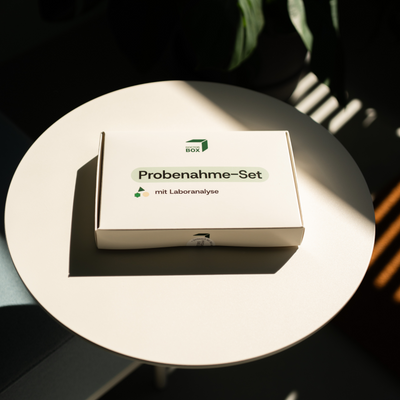
Bereit für den nächsten Schritt?

Du hast jetzt alle wichtigen Informationen. Sorge für deine Gesundheit mit einem zuverlässigen Heimtest.

Check nutrients
DoctorBox AI Advisor
Hey! 👋 What health concerns do you have? I will help you find the right test.

AI-powered – Answers may be inaccurate.