Skip to content

Alltag & Arbeit

Sales & Travel Jobs: Staying healthy despite frequent travel

Jet lag, hotel sleep, nutrition on the go, and mental health

Business travel sounds glamorous, but it's exhausting. This guide shows you how to stay healthy, fit, and productive despite jet lag, business meals, and hotel stays.

In short, explained

  • Jet lag: Use light and melatonin strategically
  • Sleep: Optimize hotel rooms (dark, cool, quiet)
  • Nutrition: Bring your own snacks, choose restaurants wisely
  • Exercise: Hotel gym, bodyweight exercises, running in the city

Sales and Travel Jobs: When travel is everyday life

For some, it sounds like a dream: traveling for work, seeing new cities, working on airplanes, staying in hotels. The reality is different. Those who travel a lot for work – in sales, consulting, journalism, or event management – ​​know the other side: jet lag, airport food, lack of routine, and being away from family and friends.

Business trips are exhausting. The romance fades quickly when the third flight of the week is due and the hotel room is as interchangeable as the last ten. Add to that the constant need to perform – meetings, presentations, client appointments – while your body wonders what time zone it actually is.

But a job is a job, and for many, travel is an unavoidable part of it. The question isn't whether business travel is ideal (it isn't), but how to stay healthy despite a life of travel.

This guide offers practical strategies for people whose jobs require regular travel: How to protect your health on airplanes, in hotels, and between appointments.

The goal is not to maintain a perfect routine – that's impossible on the road. It's about damage control and smart adjustments.

Jet lag and sleep: The frequent traveler's greatest enemy

Jet lag is more than just a feeling – it's a measurable disruption of the circadian rhythm. The body needs about a day per time zone to adjust. With frequent travel, it never quite gets the hang of it.

Before your trip: If possible, start a few days beforehand to shift your sleep times towards your destination time zone. If you're traveling east (earlier bedtime), go to bed earlier. If you're traveling west (later bedtime), stay up later.

On the plane: Set your watch to the destination time zone and act accordingly. If it's nighttime there, try to sleep (sleep mask, earplugs, neck pillow). If it's daytime there, stay awake.

Light is key: Bright light shifts the body's internal clock. Morning light helps when traveling east, evening light when traveling west. Sunglasses or darkness at the 'wrong' time can help.

Melatonin: Can accelerate adaptation. Low doses (0.5-3 mg) approximately 30 minutes before the desired bedtime. Not for long-term use, but useful for occasional adjustment.

Upon arrival at your destination: Try to adapt to the local rhythm as soon as possible. Don't go to bed at 2 p.m. just because it's nighttime at home. Stay awake until the local bedtime, even if it's difficult.

Short trips: For trips under 2-3 days, it can be more practical to stick to your usual routine rather than constantly changing it. Plan meetings accordingly.

Accumulated jetlag: Frequent travelers live in a state of permanent jetlag. The effects on health and performance are real. Schedule periods of time at home without travel to recover.

Optimize hotel sleep

Hotel rooms aren't optimized for a good night's sleep – they're optimized for comfort and appearance. But with a few adjustments, you can improve your sleep quality.

Blackout curtains: Hotel curtains often let light through. A sleep mask is the simplest solution. Alternatively, towels or clothing can be used for additional blackout.

Noise: Air conditioning, street noise, noisy neighbors. Earplugs or a white noise app on your phone can help. When booking: Request a room away from the elevator and ice machine.

Temperature: Most people sleep best at 16-18°C, but hotels are often warmer. Adjust the air conditioning or heating accordingly. Open windows if noise levels allow.

Familiar elements: Some frequent travelers bring their own pillowcase – the familiar scent helps them fall asleep. Or a small object that is connected to home.

Maintain your routine: Even in the hotel, continue your usual evening routine – the same rituals as at home (brushing your teeth, reading, etc.) signal to your body that it's time to sleep.

Avoid screens: In a hotel room, the temptation is great to work late into the night on your laptop or watch TV. But screens before bed disrupt sleep – even when traveling.

Hotel tips: Choose a regular hotel or hotel chain for consistency. For longer stays, ask for a room upgrade – more space and better beds. Club floors or business rooms are often quieter.

Nutrition on the go: Overcoming the challenges

Airport food, room service, business lunches – it's hard to control your diet while traveling. But some strategies can help.

On the plane: Airplane food is high in calories and low in nutrients. Alternatives: bring your own snacks, choose light options (salad, chicken), or eat beforehand and skip the meal during the flight. Hydration is important – the cabin air is dry.

At the airport: Beyond fast food, there are usually better options – salads, sushi, smoothies. Paying more for healthier food is worthwhile. Bring your own snacks (nuts, fruit, protein bars) as a backup.

Business lunches: You often have little control here. Strategies: smaller portions, be careful with side dishes and desserts, water instead of wine. It doesn't have to be noticeable – no one is forcing you to eat everything.

Hotel breakfast: It can be a trap or an opportunity. The buffet is tempting, but there are also healthy options: scrambled eggs, fruit, whole-grain bread, yogurt. Don't try everything that's there.

Room service vs. going out: Room service is convenient, but the options are often limited. A short walk to a nearby restaurant offers better control and exercise.

Hydration: It's easy to forget to drink when traveling. Dehydration worsens jet lag and reduces performance. Carry a water bottle and drink regularly. Alcohol and caffeine further dehydrate you.

Alcohol while traveling: business lunches, networking events, the post-meeting beer. Alcohol disrupts sleep and worsens jet lag. Less is more. It's okay to stick to water.

Exercise while traveling: Staying fit despite appointments

Regular exercise is difficult when traveling – changed schedules, unfamiliar surroundings, fatigue. But exercise is especially important when traveling.

Hotel gym: Most business hotels have a fitness room. Often small and basic, but functional. Treadmill, a few weights, cardio equipment – ​​enough for a 20-30 minute workout. Usually empty early in the morning.

Bodyweight training: No gym? No problem. Push-ups, squats, planks, lunges – all possible in a hotel room. 15-20 minutes is better than nothing. Apps like '7-Minute Workout' provide structure.

Resistance bands: Lightweight, take up hardly any space, and allow for many exercises. The best travel gym equipment.

Running in unfamiliar cities: One of the best ways to get to know a new city while exercising. Early in the morning, before appointments begin. The hotel reception can recommend safe routes.

Between appointments: Take the stairs instead of the elevator. Walk to meetings if possible. Suggest stand-up meetings. Every bit of movement counts.

On the plane: Get up regularly and walk down the aisle. Do simple stretching exercises in your seat (ankle circles, shoulder rolls). This also helps prevent thrombosis.

Realistic expectations: You won't be able to follow your normal training program while traveling. That's okay. The goal is to stay active, not to achieve peak performance.

Immune system: Staying healthy despite stress and germs

Airplanes, hotels, meetings with many people – business trips expose you to numerous germs. At the same time, your immune system is weakened by lack of sleep and stress. An unfavorable combination.

Hand hygiene: The simplest and most effective measure. Wash your hands regularly, especially before eating. Use hand sanitizer when you're out and about. Avoid touching your face.

On the plane: The air on the plane is indeed well filtered, but the surfaces (armrests, tray tables, toilets) are potential carriers of germs. Disinfectant wipes for your own personal space.

Sleep is key to protecting your immune system: Lack of sleep severely weakens it. If you get sick, lack of sleep is often a contributing factor. Prioritize sleep when traveling, even if it means skipping dinner.

Hydration and nutrition: A well-nourished and hydrated body is better able to fight off infections. Despite temptations while out and about: eat healthily and drink enough.

Stress management: Chronic stress suppresses the immune system. Techniques (breathing, mindfulness) that help at home also work on the go.

At the first sign of symptoms: rest and recover before it gets worse. Continuing to work while sick prolongs the illness and infects others. Sometimes the wisest business decision is to cancel a meeting.

Vaccinations and prevention: For frequent travelers, vaccinations against influenza and other regionally relevant diseases are advisable. Pack a travel first-aid kit with basics (pain relievers, cold remedies, electrolytes).

Mental health and social connections

The psychological strain of constant travel is underestimated. Loneliness, exhaustion, the feeling of never truly being at home anywhere – it all adds up.

Acknowledge loneliness: Being in a hotel room, surrounded by strangers, far from family and friends – that can make you feel lonely. Denying the feeling doesn't help. It's normal and understandable.

Stay connected: Regular video calls with your partner, family, and friends. Don't just report what you're doing, but truly connect. Technology makes it possible – use it.

Travel friendships: Colleagues who also travel can become allies. Sharing dinners instead of eating alone in their rooms creates a bond.

Solitude vs. loneliness: Time alone can also be valuable – for reflection, reading, and relaxation. The difference lies in whether you choose it or endure it. Conscious solitude is different from involuntary isolation.

Hobbies on the go: Activities that also work when traveling – reading, podcasts, writing, drawing. Something that belongs to you and is independent of location.

Explore the new city: Instead of staying in the hotel, get out and about. Take a walk, try a local restaurant, visit a tourist attraction. This makes the city more than just a business destination.

Professional help: When the stress becomes too great, therapy is also possible for frequent travelers – online therapy is location-independent.

Productivity while traveling: Working on the go

Business trips aren't just about meetings – often work has to be done on the go. On the plane, in the hotel, between appointments.

Working on a plane: For many, the only uninterrupted time. Noise-canceling headphones, a good laptop battery, documents that can be accessed offline. Seatmates are in the way – an aisle or window seat, depending on preference.

Using a hotel as an office requires a well-lit workspace and stable Wi-Fi. Avoid working in bed (it's bad for your back and makes you less likely to sleep). The lobby or a co-working space are sometimes better than your room.

Time zone management: When you work across multiple time zones, planning is crucial. Which meetings need to take place when? Which work can be done asynchronously (email) instead of synchronously (phone calls)?

Finding focused time: Between meetings and events: When do you really work? The time on the plane, early in the morning, after dinner. Use these blocks of time consciously.

Energy management: Use your most productive hours for important work, not for emails. Emails can be checked during low-energy periods.

Priorities: You can't do everything while traveling. What really needs to be done? Focus on the essentials, delegate or postpone the rest.

Communicate boundaries: Let your team and family know when you are available and when you are not. Clear expectations reduce stress on both sides.

Long-term strategies: Sustainable travel

Occasional business trips are not a problem. Traveling frequently for years requires strategic thinking about the long-term consequences.

Reduce travel: The first question is always: Is this trip necessary? Video conferences have their limitations, but they can replace many trips. Fewer trips with longer stays instead of many short trips.

Plan for recovery time: After intensive travel periods: Time at home, without travel. The body and relationships need regeneration.

Home routines: When you're at home, use the time to establish routines – healthy eating, regular exercise, social contacts. This is the foundation that will carry you through your travels.

Family and relationships: Frequent travel puts a strain on relationships. Open communication with your partner, quality time when you are there, creative solutions (bringing your partner along if possible).

Career development: Travel is necessary in some career phases. But in the long term: Are there roles with less travel involved? The experience of frequent travel is valuable – even for positions that require less travel.

Health checks: Frequent travelers should take regular preventative check-ups seriously. Lifestyle has an impact – early detection is better than late treatment.

Exit strategy: When is enough? The answer is individual, but the question should be asked. Some travel for decades and thrive, others burn out after a few years.

Sicherheit durch Testen

Jetzt wo du die Symptome kennst: Verschaffe dir Klarheit mit einem diskreten Heimtest.

Check your metabolism

Empfohlener Heimtest

Produkt: metabolism check plus

Analyse im Fachlabor
Diskrete Verpackung
Ergebnis in 72h

Frequently Asked Questions about Sales and Travel Jobs

What's the fastest way to overcome jet lag?

Light is the most important factor – bright light at the local morning time, darkness at bedtime. Melatonin can help you feel tired at the right time. Upon arrival at your destination, immediately switch to the local rhythm; don't stay in your home rhythm. Hydration and avoiding alcohol will speed up the adjustment process.

How do I maintain a fitness routine while staying in a hotel?

Have realistic expectations – you won't be able to stick to your home workout routine. Use the hotel gym for short workouts, do bodyweight exercises in your room, and go for a run in the unfamiliar city. 20-30 minutes is better than nothing. Pack resistance bands as travel gear.

What can I eat at the airport if everything is unhealthy?

There are always options if you look around. Salads, sushi, smoothies, nuts, fruit. Pay more for better quality. Bring your own snacks as a backup. Eating at home beforehand and not buying anything at the airport is also an option.

How can I stay healthy when everyone around me is sick?

Hand hygiene is paramount – wash regularly, avoid touching your face. Sufficient sleep strengthens the immune system. Hydration and good nutrition are also helpful. At the first sign of symptoms: rest instead of pushing yourself.

How do I maintain my relationship when I'm constantly traveling?

Regular video calls, not just text messages. Quality time when you're at home – be present, not mentally preoccupied with the next trip. Communication about the pressures on both sides. Creative solutions – sometimes bringing your partner along, combining business trips with shared vacations.

Is it worth having a status with an airline or hotel chain?

For frequent travelers: yes. The benefits (upgrades, lounge access, priority boarding) make traveling significantly more pleasant. Focus on one alliance instead of spreading miles around.

How can I work productively on an airplane?

Noise-canceling headphones, charged laptop, offline-capable documents. Focused work, no emails (no Wi-Fi or it's expensive). Use the time as an undisturbed block. Seatmates with headphones signal 'do not speak to you'.

What can I do to combat loneliness on business trips?

Acknowledge the feeling, don't suppress it. Stay connected with home (video calls). Invite colleagues to dinner. Explore the city instead of staying in the hotel. Have hobbies that work while traveling.

How many travel days per year are still healthy?

There's no fixed number – it depends on the type of trip, relaxation, and individual constitution. But: If you notice that your health, relationships, or quality of life are suffering, it's too much. Reflect regularly and adjust.

Should I upgrade to business class?

If your employer pays for it or you've earned upgrades: definitely. Better sleep, more space, less stress can make a real difference, especially on long flights. Out of your own pocket: only if your budget truly allows it.
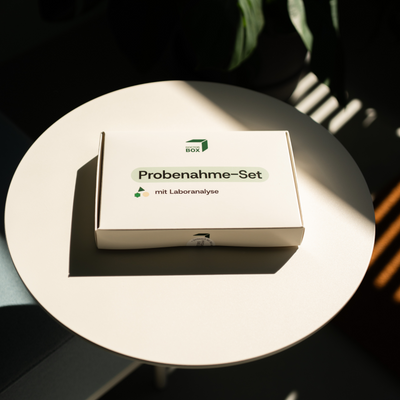
Bereit für den nächsten Schritt?

Du hast jetzt alle wichtigen Informationen. Sorge für deine Gesundheit mit einem zuverlässigen Heimtest.

Check your metabolism
DoctorBox AI Advisor
Hey! 👋 What health concerns do you have? I will help you find the right test.

AI-powered – Answers may be inaccurate.

Submit Withdrawal Request

Please fill out the following form to submit your withdrawal request.