Football – Training, positions and season structure
Your guide to the world's number one sport
Football connects billions of people worldwide. This guide shows you position-specific training, nutrition, injury prevention, and how you can improve as a beginner or experienced player.
Football is more than just a sport – it's a global language. Four billion fans worldwide, playing it in every corner of the earth. Whether in a club, in the local league, or with friends in the park: football connects people.
For players, football means 90 minutes of peak performance, thousands of decisions per game, teamwork, and individual brilliance. This guide shows you what makes the sport so special and how you can improve your performance.
What makes football special?
Simple basic rules: Ball in the goal – everyone understands that. Complex tactics: Endless variations of playing systems. Universal: Playable anywhere, minimal equipment. Team: 11 players, different roles, one goal.
Physical requirements
Modern football is high-intensity: 10-13 km covered per game. Of that, 15-25% is high-intensity (sprints). 1,000+ changes of direction per game. 150-250+ touches on the ball.
Positions and their requirements
Each position has different physical and technical profiles.
goalkeeper
The ideal position: Explosive jumping ability and quick reflexes. Good football technique (playmaking). Mental strength: One mistake can decide the game. Leadership qualities (overview, communication).
Center-back
The bulwark: aerial prowess and tackling strength. Anticipation: reading situations. Build-up play: passing from the defense. Less running, more challenges.
Full-back
The hybrids: Highest running performance of all positions. Offensive and defensive tasks. Crossing, dribbling, defensive work. Endurance and sprinting ability are required.
Defensive midfielder (number 6)
The organizer: Strength in one-on-one situations and game awareness. Tactical understanding. Passing accuracy. Less spectacular, but indispensable.
Central midfielders (8/10)
The heart of the team: Maximum ball contact. Creativity and playmaking. Box-to-box ability (number 8). Goal creation and threat (number 10).
winger
The pace-setters: speed and dribbling. One-on-one strength. Crosses or drives towards goal. Sprint endurance for repeated actions.
striker
The finishers: Goal threat and finishing ability. Movement in the penalty area. Heading crosses. Pressing and closing down (modern football).
Training for footballers
Football training is multifaceted: technique, tactics, fitness and mental strength.
Technical training
The foundation of all football: Ball control: The first touch is decisive. Passing: Short, long, with different feet. Dribbling: Keeping the ball under pressure. Shooting: Different techniques, different situations.
Tactical training
Teamwork: Game formats: 4v4, 7v7, 11v11. Position-specific: Running patterns, behavior in situations. Pressing: When and how to attack? Build-up play: Controlled forward from the goalkeeper.
Endurance training
Football-specific: Intervals: Reflect the stop-and-go nature of the game. High-intensity interval training (HIIT). Endurance base: GA1 runs during pre-season training. Game-like drills with an endurance component.
Essential in modern football: Legs: Squats, lunges. Core: Stability for challenges. Upper body: For physical engagement. Injury prevention: Eccentric exercises for hamstrings.
The season setup
The football season has a clear structure – the training must follow.
Summer preparation
Lay the foundation: 4-6 weeks before the season starts. Build up your endurance base. Intensify strength training. Play test matches for match practice.
Season phase
Match schedule: The weekend game dictates the week. Prioritize recovery after matches. Load management: Avoid high intensity every day. Practice tactics and set pieces.
Winter break
Short recovery and build-up phase: 2-3 weeks off. Then: Rebuild phase similar to summer pre-season training (shorter). Focus on weaknesses from the first half of the season.
End of season
Decisive matches: Reduce workload. Maintain freshness and sharpness. Mental preparation for important games.
Off-season
Regeneration and individual training: 2-4 weeks of active recovery. Other sports (cross-training). Addressing individual weaknesses. Healing from injuries.
Nutrition for footballers
Proper nutrition is performance on the pitch – from preparation to recovery.
Basics
Energy requirements: 2,500-4,500 kcal/day depending on training volume. Carbohydrates for energy (50-60%). Protein for regeneration (1.5-2g/kg body weight). Fats for hormonal balance and energy storage.
Matchday
Timing and content: Last large meal: 3-4 hours before kickoff. High in carbohydrates, easily digestible. Small snack: 1-2 hours beforehand (if needed). Hydration: Start hours in advance.
Half-time
Use the short break to your advantage: drink water or an isotonic beverage. Perhaps a carbohydrate snack (gel, banana). Not too much – you don't want blood in your stomach.
After the game
Recovery window: Within 30-60 minutes: Protein + carbohydrates. Replenish fluids (1.5 times the amount lost). Electrolytes if sweating heavily.
Training week
Adaptation to training load: High training intensity: More carbohydrates. Recovery days: Moderate, more protein. Game preparation: Carb-loading the day before the game.
Injuries in football
Football carries a risk of injury – prevention is key.
The worst-case scenario: 6-12 months of downtime. Often without contact (landing, change of direction). Risk factors: fatigue, landing technique. Rehabilitation is challenging.
Prevention
What helps: FIFA 11+: Prevention program (20% fewer injuries). Strength training: Especially eccentric exercises for hamstrings. Nordic hamstring curls: Gold standard. Proprioception: Balance training. Warm-up: Dynamic warm-up before every session.
Fatigue and risk of injury
Consider the connections: End of game: More injuries in minutes 75-90. Match frequency: English weeks increase the risk. Sleep and recovery: Underestimated factors.
Sicherheit durch Testen
Jetzt wo du die Symptome kennst: Verschaffe dir Klarheit mit einem diskreten Heimtest.
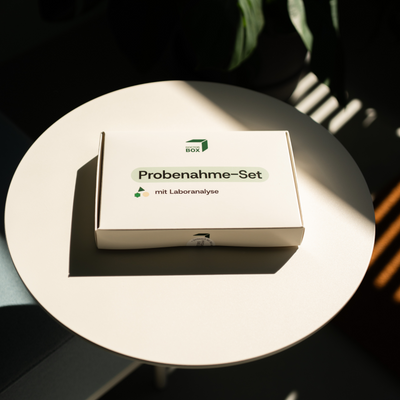
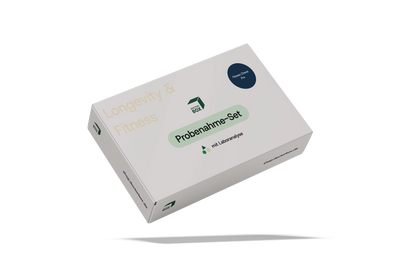
Fitness Check Pro – Your health and performance check for body & heart.
The Fitness Check Pro gives you comprehensive insights into your muscle an...
Analyse im Fachlabor
Diskrete Verpackung
Ergebnis in 72h
Game systems and tactics
Football tactics are a game of chess in real time – here are the basics.
Formations
The most well-known systems: 4-3-3: Offensive, wide squad. 4-4-2: Classic, balanced. 4-2-3-1: Modern, controlled. 3-5-2: Focus on the wings, risky at the back. 5-3-2: Defensive, counter-attack-oriented.
Possession
Dominance through control: Positional play: Creating numerical superiority. Short passes: Making the opponent run. Patience: Waiting for an opening. Tiki-taka: The extreme form.
Pressing
Active ball recovery: High pressing: Disrupt the opponent early. Medium pressing: Compact midfield. Low pressing: Invite the opponent in, then attack. Counter-pressing: Attack immediately after losing possession.
Switching game
Transitions decide games: Counter-attacks: Quickly after winning the ball. Switching to defense: Securing possession after losing the ball. Transition is often the decisive moment.
Standards
Goals from set pieces: 30-40% of all goals come from set pieces. Corners, free kicks, throw-ins. Well-rehearsed routines. Defensive organization is just as important.
Mental strength in football
Football is won in the mind – mental strength makes the difference.
High-pressure situations
When it counts: Penalty kicks: Technically simple, mentally extreme. Decisive games: Playoffs, relegation battles. Comebacks from behind: Mentality vs. giving up.
Dealing with mistakes
Everyone makes mistakes – the reaction is what counts: Short memory: Focus on the next action. Don't dwell on it: Mistakes happened. Self-confidence: Show initiative anyway.
Team dynamics
Team as a unit: Communication: On and off the field. Respect hierarchy: Captain, experienced players. Resolve conflicts: Not on the field. Common goals: Over individual interests.
Visualization
Mental training: Rehearse game situations before the game. Visualize successful actions. Routine: Standardize preparation.
concentration
90 minutes of focused practice: Rituals: Fixed routines for focus. Triggers: Getting back into the game after distractions. Breathing techniques: Brief moments of calm.
Equipment for footballers
The right equipment improves performance and protects against injuries.
Football boots
The most important equipment: Studs: FG (Firm Ground) for dry grass. SG (Soft Ground) for wet grass. AG (Artificial Grass) for artificial turf. TF (Turf) for hard surfaces. Material: Leather (fit, ball feel) vs. synthetic (lightweight, water-repellent). Fit: Snug, but not constricting.
shin guards
Mandatory equipment: Size: From the ankle to below the knee. Material: Plastic, some with foam padding. Ankle protection: Optional, for added safety. Secured with socks.
clothing
Functional: Jersey and shorts: Breathable, lightweight. Baselayer: Compression, warmth in cold weather. Socks: Long enough for shin guards. Gloves: For outfield players in cold weather.
ball
Standards: Size 5 (adults), Size 4 (youth). FIFA quality for competitions. Good ball feel for training with quality balls.
Training equipment
For individual training: cones, poles, agility ladders. Rebounders for passing technique. Goal nets for shooting practice.
Getting started in football
Anyone can play football – here you'll find the perfect way to get started.
Club search
The classic approach: DFB club search: dfb.de. From district league to Bundesliga: A club for every level. Adult teams are often looking for players. Youth: Structured training from a young age.
Starting as an adult
Never too late: Hobby teams: Low level, lots of fun. Recreational leagues: Organized matches without club membership. Veterans / Over 30s / Over 40s: For older beginners. Football courses: Learn basic techniques.
Football pitch and friends
Unstructured: Kick-off in the park: Spontaneous, low barrier to entry. Small field: 5v5, 7v7 – more ball contacts. Fitness and fun without pressure.
Fitness preparation
If you haven't played for a long time: Build up your basic fitness: running, intervals. Stabilize your ankles: balance training. First ball contacts: alone or with friends. Then: join team training.
Equipment for the start
Minimal equipment: Football boots (suitable for the playing surface). Shin guards. Sports clothing. Ball for practice.
Häufig gestellte Fragen
In professional football: 10-13 km per game. Full-backs and midfielders cover the most. Of this, 15-25% is high-intensity (sprints, fast running). Slightly less in lower leagues.
Primarily legs: quadriceps, hamstrings, calves, glutes. But also core for stability and changes of direction. Upper body for tackling. A complete athletic workout.
A warm-up program for injury prevention, developed by FIFA. 20 minutes of exercises for strength, balance, and plyometrics. Reduces injuries by approximately 30-50%. Yes, highly recommended!
Absolutely! Amateur teams, recreational leagues, and over-30/over-40 teams welcome beginners. Basic fitness helps, but you learn as you play. The social aspect is often more important than your skill level.
Recreational: 1-2 training sessions + 1 match. Ambitious: 3-4 training sessions + 1-2 matches. Youth performance: 4-5 training sessions + match. Professional: 5-6 training sessions + match. Don't forget recovery!
FG (Firm Ground): Dry natural grass. SG (Soft Ground): Wet, soft grass (longer studs required). AG (Artificial Grass): Artificial turf. TF (Turf): Hard surfaces, cinder. Incorrect studs increase the risk of injury!
Very important in modern football! Reduces the risk of injury (especially hamstrings), improves sprints and tackling ability. 2-3 times per week during preseason, 1-2 times during the season.
Last large meal 3-4 hours beforehand: high in carbohydrates, easily digestible (pasta, rice, bread). A small snack 1-2 hours beforehand is possible. Be well hydrated. No experiments!
FIFA 11+ warm-up. Strength training (especially eccentric for hamstrings). Take recovery seriously. Get enough sleep. Be more careful when fatigued. Listen to your body.
Fast and a great dribbler: winger. Stamina and vision: midfielder. Strong in the air and good in tackles: defender. Finishing-oriented: striker. Quick reflexes and courageous: goalkeeper. Try different positions!
Bereit für den nächsten Schritt?
Du hast jetzt alle wichtigen Informationen. Sorge für deine Gesundheit mit einem zuverlässigen Heimtest.