Skip to content

Reise, Outdoor & Abenteuer

Bikepacking: The cycling adventure begins

Minimalist cycling tours for multi-day trips

Everything on your bike, going everywhere, sleeping under the open sky. Bikepacking combines cycling with adventure. Here's how to get started in the world of minimalist bike touring.

In short, explained

  • Minimalist: Only the essentials, directly on the frame
  • Versatile: road, gravel, trails – anything goes.
  • Self-sufficient: Wild camping, self-sufficiency, adventure
  • Getting started: Start small, gain experience, increase

Bikepacking: The cycling adventure begins

Everything you need on your bike, no fixed routes, no reservations – just you, your bike, and the road. Or the trail. Or the gravel road.

Bikepacking is minimalist bicycle touring. Unlike classic bike touring with heavy panniers, bikepacking relies on lightweight luggage that attaches directly to the frame. This makes the bike more agile, allows for more technical routes, and brings you closer to real adventure.

The community is growing, the equipment is improving, and the routes are being documented. Getting started has never been easier.

This guide shows you how to get started with bikepacking. From equipment and route planning to fitness and nutrition on the road. For your first micro-adventure on the weekend or a multi-week tour.

What makes bikepacking special

Bikepacking differs from classic bike touring in philosophy and practice.

Minimalism: Only the essentials. Every gram counts, every item must justify its place. This forces conscious decisions and liberates at the same time.

Versatile terrain: Bikepacking bikes are often gravel or mountain bikes. They allow you to ride on gravel, trails, and unpaved roads. You're not limited to asphalt.

Self-sufficiency: Wild camping, bivouacking, being self-sufficient on the road. Less dependence on hotels and restaurants. Greater connection to nature.

Adventure mindset: Not every day goes according to plan. Rain, flat tires, wrong turns – it's all part of the experience. Problem-solving is part of it.

Bags instead of racks: frame bags, saddlebags, handlebar bags. The weight sits lower and more centrally. The bike remains agile.

Community: Bikepacking has its own culture. Routes are shared, experiences are exchanged, and beginners are supported. The scene is open and helpful.

The right wheel

In principle, any bike will work. But some are better suited than others.

Gravel bikes: The bikepacking sweet spot for many. Fast on asphalt, capable on gravel, mounting points for bags. The most versatile choice.

Mountain bikes: When technical terrain is the focus. Hardtails are often preferred (less maintenance, more mounting options). Full-suspension bikes are suitable for very rough terrain.

Road bikes: Possible for asphalt bikepacking. Limited tire clearance and fewer mounting points, but light and fast.

Touring bikes: Heavier, but stable and often with more luggage capacity. Good for long tours with higher comfort requirements.

Important features: Mounting points (eyelets for bottle cages, bags). Tire clearance (wider tires = more comfort and grip). Reliable components. Comfortable riding position for long days.

For beginners: The bike you have is a good starting point. Try it out before you invest. Then you'll know what you really need.

Bags and luggage system

The luggage system defines bikepacking. Here are the most important components.

Saddlebag: The largest bag, located at the back under the saddle. 5-15 liters. This is where you put your sleeping system, clothes, and things you don't need immediately.

Frame bag: Located in the frame triangle. Size varies depending on the frame. For heavy, compact items (tools, energy bars, electronics). Keeps the center of gravity low.

Handlebar bag: Attached to the handlebars, often with a harness system. 10-15 liters. Ideal for storing a sleeping bag, tent, or dry clothing for quick access.

Top tube bag: A small pouch on the top tube. For snacks, mobile phone, and small items that need to be easily accessible.

Utilize bottle holder positions: If there is space – add extra bottles or cage packs (small bags attached to bottle holder eyelets).

Quality matters: Waterproof bags save you trouble. Secure fastening prevents chafing and rattling. Better to buy quality once than cheap three times.

Learn how to pack: Heavy items at the bottom and in the center. Light items in the saddlebag and handlebar bag. Maintain your balance. Practice makes perfect.

The packing list

What you really need – and what you can leave at home.

Sleeping system: Sleeping bag (pay attention to temperature range), sleeping mat (lightweight and compact), bivouac sack or ultralight tent. Alternatively: Tarp and bivouac combination.

Clothing: Jersey, cycling shorts, rain jacket, arm and leg warmers, thin hat, gloves, a change of clothes for evenings/nights. Merino wool dries quickly and smells less.

Tools: Multitool, spare inner tube (or tubeless repair kit), mini pump, chain lock, puncture repair kit. More only on very long tours.

Navigation: Mobile phone with GPS app and offline maps. Power bank. Possibly a GPS device as a backup.

Food and water: Water bottles (at least 1.5 liter capacity), possibly a water filter, energy bars and snacks for the journey, stove only if desired.

Other items: Headlamp, basic first-aid kit, toothbrush, sunscreen. ID card, money/card.

What you don't need: Multiple outfits, a heavy cooking setup for solo trips, items 'just in case'. Less is more.

Find and plan routes

The route makes the experience. Planning is important – but don't over-plan.

Ready-made routes: Komoot, Bikepacking.com, Trailguide, and regional bikepacking websites offer documented routes. Good for beginners because they incorporate the experiences of others.

Plan your own route: OSM-based maps show routes, Komoot calculates surfaces. A combination of asphalt, gravel, and trails depending on skill level and bike.

Realistic stages: Beginners can expect 50-80km per day, depending on the elevation gain. Experienced cyclists can manage 100-150km. But: It's not about the kilometers, it's about the experience.

Supply points: Where can you get water? Food? Are there villages, supermarkets, wells? Plan ahead in remote areas.

Accommodation options: Wild camping (where legal), bivouac zones, budget campsites, Warmshowers (hospitality for cyclists). Stay flexible.

Plan for alternatives: What if the weather turns bad? What if the route is too difficult? Know emergency shortcuts and escape options.

First trip: Start short. One night, familiar area, manageable distance. Gain experience, then increase the distance.

Fitness and training for bikepacking

Bikepacking requires a different level of fitness than short road bike rides.

Base endurance: Long, moderate rides. The ability to ride for hours without hitting the wall. Zone 2 dominates training and touring.

Strength endurance: Climbing with luggage requires more power at low cadences. Training with low cadences on hills is beneficial. Squats and leg exercises help.

Comfort in the saddle: Long days of training in the saddle. Saddle problems don't appear after 2 hours, but after 6. Properly fitted shorts, a good saddle, and correct bike fitting are essential.

Practicing riding with a load: Training with bags on the bike. The handling changes. Cornering, braking, balance – everything is slightly different.

Back-to-back: Training blocks with rides on consecutive days. The second and third day feel different – ​​you should be aware of this.

Don't forget your upper body: Core stability for long days in the saddle. Back and shoulder exercises to relieve tension.

Food on the go

On tour, you burn more calories than you're used to. Food is fuel – and part of the experience.

Calorie requirements: 3000-6000+ kcal per day, depending on distance and terrain. More than you eat in everyday life. Insufficient fuel leads to energy crashes.

During the ride: Eat something every 30-45 minutes. Bars, gels, bananas, bread. Carbohydrates should be the main focus. The stomach doesn't like fatty foods during exertion.

Breaks and meals: Local bakeries, snack bars, supermarkets – whatever the route offers. Cultural part of the experience.

Self-sufficiency: If self-sufficient – ​​light, high-calorie options. Couscous, instant noodles, peanut butter, granola bars, nuts. Cooking stove optional.

Water: Drink more than usual. 500ml+ per hour in hot weather. Replenish electrolytes on long days. Know the water sources along your route.

Evenings: High in protein for recovery. Whatever is available – hunger makes most things taste better.

Safety and health

Adventure yes, unnecessary risks no. Safety aspects for the tour.

Inform someone: Share your route and approximate schedule. Arrange check-in times. Use a tracking app for emergencies.

First aid: Carry a minimal kit. Blister plasters, tape, painkillers, disinfectant, bandage. Know how to use it.

Mechanical problems: Master basic repairs. Change a tire, repair a chain, adjust brakes. Watch YouTube videos before the ride.

Weather: Check the forecast, but be prepared for anything. Rain is coming, and it will get cold at night. Always carry a rain jacket and a light jacket.

Navigation: Don't rely solely on GPS. Have a basic understanding of the route. Use offline maps. If in doubt: ask or turn back.

Wild camping: Know the local rules. Be respectful – Leave No Trace. Do not camp on private property without permission. Position yourself securely, protected from wind and rain.

Insurance: International health insurance for tours abroad. Bicycle insurance for your expensive bike.

Sicherheit durch Testen

Jetzt wo du die Symptome kennst: Verschaffe dir Klarheit mit einem diskreten Heimtest.

Fitness check before tour

Empfohlener Heimtest

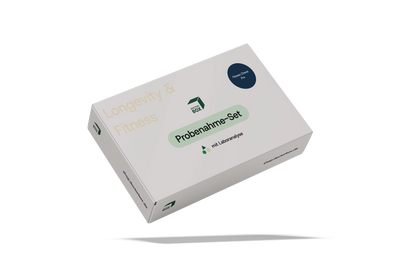
Fitness Check Pro

Fitness Check Pro

Fitness Check Pro – Your health and performance check for body & heart. The Fitness Check Pro gives you comprehensive insights into your muscle an...
Analyse im Fachlabor
Diskrete Verpackung
Ergebnis in 72h

Frequently asked questions about bikepacking

Do I need an expensive bike?

No. The bike you have is sufficient for trying it out. Bikepacking is possible with any reliable bicycle. Special equipment makes it more comfortable, but it's not essential.

Is bikepacking dangerous?

No more dangerous than other outdoor activities. With sensible planning, preparation, and risk awareness, the risks are manageable. Exercise caution in traffic, extreme weather, and on technical terrain.

How much does a bikepacking setup cost?

Basic panniers start at €100-200, a good set €300-500. Sleeping systems cost €200-500 depending on quality. The bike is often already there. You can also start cheaply and upgrade later.

Where can I legally camp in the wild?

In Germany, it's restricted (only emergency bivouacking). Scandinavia has the right to roam. Scotland largely permits it. Research local regulations. Alternatives: bivouac sites, campsites, trekking sites.

How do I plan my first tour?

Short and sweet: One night, familiar region, moderate distance. Use a pre-planned route from Komoot or local bikepacking groups. Gain experience, then increase the distance.

What if I have a breakdown while traveling?

Carry basic tools and know-how. In case of emergency: have cell phone reception for help, hitchhike to the nearest garage, be flexible. Rarely is a problem unsolvable.

Do I need a cooking stove?

Not necessarily. Many bikepackers forgo a stove and rely on cold supplies plus local refreshments. This saves weight and reduces complexity. For self-sufficient tours far from infrastructure, a stove can be useful.

How heavy should my luggage be?

Under 10kg of luggage is a good guideline for summer tours. The lighter, the more comfortable the ride. But it's better to have a little more comfort than suffering – find the balance.

Can I drive alone?

Yes, many bikepackers travel solo. More freedom, their own pace, a deeper experience. But: more personal responsibility for safety and navigation. A partner can be helpful for beginners.

How do I recover after a long bikepacking trip?

Several easy days or complete rest after the tour. Plenty of sleep, good nutrition. The body needs time to adjust. Don't jump straight back into hard training – enjoy it, process it, then continue.
Bereit für den nächsten Schritt?

Du hast jetzt alle wichtigen Informationen. Sorge für deine Gesundheit mit einem zuverlässigen Heimtest.

Fitness check before tour
DoctorBox AI Advisor
Hey! 👋 What health concerns do you have? I will help you find the right test.

AI-powered – Answers may be inaccurate.

Submit Withdrawal Request

Please fill out the following form to submit your withdrawal request.