Skip to content

Racketsport & Ballsport

Badminton – speed, precision, endurance

Technique, tactics and training in the fastest racket sport

Badminton combines explosive athleticism with tactical finesse. From the first shot to the competition – discover why the fastest racket sport offers one of the best full-body workouts.

In short, explained

  • Speed: Shuttle reaches over 400 km/h during the smash
  • Calorie consumption: 400-600 kcal per hour
  • Basic strokes: Clear, Smash, Drop, Net play
  • Game formats: Singles, Doubles, Mixed
  • Equipment: Lightweight racket, shuttlecock/plastic shuttle, special shoes
  • Community: Clubs, leagues, tournaments for all levels

Badminton – The fastest racket sport with the shuttlecock

Badminton is far more than a leisurely game of shuttlecock in the garden. At a competitive level, badminton is one of the fastest and most physically demanding sports in the world. The shuttlecock reaches speeds of over 400 km/h during a smash – the fastest shot in any racket sport. The combination of explosive athleticism, lightning-fast reflexes, and tactical finesse makes badminton a captivating sport for players of all levels.

The history of badminton dates back over 2,000 years, to when similar games were played in China and India. The modern sport developed in 19th-century British India and takes its name from the Duke of Beaufort's country estate at Badminton House, England. Badminton has been an Olympic sport since 1992, and today Asian nations such as China, Indonesia, and Japan dominate the world rankings.

The unique appeal of badminton lies in the shuttlecock itself. The shuttlecock flies differently than any other ball – the feathers or the plastic design slow it down quickly, creating unique trajectories. A hard-hit smash is rapidly decelerated by the shuttlecock; a softly played drop falls steeply. This physics opens up tactical dimensions that other sports lack.

The physical demands are enormous. In a match, you typically cover more distance than a tennis player, with more changes of direction per minute than in almost any other sport. The explosive jumps, quick lunges, and powerful strokes require strength, speed, endurance, and coordination in equal measure.

Getting started is still accessible. The basic technique can be learned in just a few hours, the shuttlecock flies slower than balls, and the court is manageable. From your first swings in the park to playing in a club, the path is short. The depth of the game unfolds over time – the better you become, the more layers badminton reveals.
Rules and playing field

The badminton court measures 13.40 meters in length and 5.18 meters in width for singles, and 6.10 meters for doubles. A net 1.55 meters high at the posts (1.524 meters in the center) divides the court. The playing area is divided into different zones relevant to serving and play.

The goal is simple: to hit the shuttlecock so that it lands on the opponent's side of the court. Unlike in tennis, the shuttlecock must not bounce – it must be played before it touches the ground. If it touches the ground, the rally is over.

Scoring is done in sets to 21 points using a rally point system (each rally is worth one point). At 20-20, a player must gain a two-point lead; at 29-29, the player who scores the 30th point wins. Matches are played best-of-three; the player who wins two sets wins the match.

The serve in badminton is strictly regulated. It must be struck below the waist, the racket must point downwards, and the shuttlecock must be hit diagonally into the opponent's service court. When the score is even, the serve is made from the right; when it is odd, from the left. Additional rotation rules apply in doubles.

The game formats include singles (one against one) and doubles (two against two). Mixed doubles, with one man and one woman, is also an official discipline. Each format has its own tactical characteristics: singles emphasizes stamina and positioning; doubles requires team coordination, reflexes, and net play.

Faults include: the shuttlecock lands out of bounds, the shuttlecock flies into the net, the shuttlecock is touched twice, the player touches the net, and the shuttlecock touches the body or clothing. The rules are straightforward, but proper execution, especially of the serve, requires practice.

Technique and basic strokes

Badminton technique is diverse and demands precision. The lightweight racket and the unique flight characteristics of the shuttlecock allow for a range of shots not found in other racket sports. Mastering the basic strokes is the foundation for tactical freedom.

Grip is the starting point. The basic grip (forehand grip) resembles a loose handshake with the racket. For backhand strokes, the thumb rotates to the wider side of the grip. The grip change must be quick and unconscious – in fast-paced play, there's no time to think. A loose grip that engages at impact allows for wrist action and power.

The clear is the basic overhead hit. You hit the shuttlecock high and deep into the back of your opponent's court. The defensive clear goes high and low to buy time; the offensive clear flies lower and faster to apply pressure. The technique: sideways alignment, arm back, explosive hit with a wrist snap at the highest point.

The smash is the most powerful shot – a steep, hard, downward overhead hit. The shuttlecock can reach speeds of over 400 km/h. The technique is similar to the clear, but the point of contact is further forward, and the clubface is facing downward. The smash is the finishing shot, but it requires good preparation; a poor smash is easy to return.

The drop shot is the gentle counterpart to the smash. Using a similar backswing to a clear, you play the shuttlecock with minimal speed just over the net. Stealth is crucial – the opponent shouldn't know until the last moment whether it's a clear, smash, or drop. A good drop shot falls steeply directly behind the net.

Net shots are played close to the net. The net drop drops the shuttlecock just over the net; the net kill is a hard finish from near the net; the net lift lifts the shuttlecock to the back of the court. Precision and finesse are more important than power.

Underhand strokes include the lift (high ball from a low position), the drive (flat, fast ball), and various shots for defensive situations. Backhand techniques for all these strokes require separate practice.

Tactics and game strategy

Badminton is a tactical duel where physical superiority alone isn't enough. Those who read their opponent better, manipulate them, and force them into unfavorable positions often win against physically stronger players. Understanding the basic principles of badminton tactics will take your game to the next level.

Controlling the middle is the key objective. From the center of the court, you can reach all corners with minimal effort. After every shot, you should return to the middle. Your shots should force your opponent out of the middle while you return there yourself. The basic pattern: play, return to the middle, ready for the next ball.

The four corners of the court are the targets. A shot into the front left corner followed by one into the back right corner forces the opponent into maximum movement. The art lies in timing and surprise: when do you play long, when short? Predictability is the biggest tactical flaw.

Varying the pace controls the rhythm. Fast drives and smashes put the opponent under pressure; slow drops and high clears give you time and disrupt their rhythm. The ability to consciously change the pace is a sign of game understanding.

The camouflage makes your shots unreadable. The backswing for clears, smashes, and drops should look identical; only at the last moment does the wrist action determine the shot. An opponent who can't anticipate your shots reacts later and reaches fewer balls.

Analyzing your opponent's weaknesses identifies what bothers them. Is their backhand weak? Play there. Are they slow to advance their shots? Use drop shots. Do they hate fast rallies? Increase the pace. Observing your opponent during the warm-up and the first few rallies provides valuable information.

Doubles involves additional tactical principles: rotation between attacking and defensive formations, communication with your partner, and exploiting gaps between opponents. Team coordination is often more crucial than individual skills.

Physical requirements and fitness

Badminton is extremely physically demanding – despite the light shuttlecock and small court. The combination of explosive speed, endurance, agility, and coordination makes badminton one of the most intense racket sports. An hour of badminton burns 400-600 calories and provides a full-body workout.

Footwork is the foundation. In badminton, you're constantly moving: sprints forward, lunges to the side, running backward, explosive stops, and changes of direction. Your feet are rarely still. Good footwork means being at the shuttlecock early and returning to your starting position after every shot. Poor footwork means constantly chasing the shuttlecock and hitting from unfavorable positions.

Speed ​​is what differentiates playing strength. The first step, the reaction time, the ability to accelerate explosively – all of these factors determine rallies. Badminton-specific speed can be trained through agility drills, sprint exercises, and plyometric training.

Endurance is demanded during longer matches. A three-set match can last 45-90 minutes, with consistently high intensity. The interval nature of the game – short, explosive rallies with brief rest periods – challenges both aerobic and anaerobic capacity. Regular badminton significantly improves cardiovascular fitness.

The shoulder and arm muscles execute the punches. The rotator cuff, which stabilizes the shoulder joint, is particularly stressed during overhead punches. Strengthening and improving the mobility of these structures are essential for performance and injury prevention.

Core stability enables powerful punches from any position. Rotational movements, lunges, and jumps require a strong core. A weak core leads to technical errors and increases the risk of injury.

Flexibility enables the extreme positions in badminton – deep lunges, wide stretches, and rapid changes of direction. Hip flexibility, thigh extension, and shoulder rotation are essential for efficient play. Regular stretching and mobility work improve performance and reduce injuries.

Health, injury prevention and laboratory values

Badminton is an intense sport with specific stress profiles. The explosive movements, rapid changes of direction, and repetitive overhead strokes can lead to injuries if there is improper preparation or overuse. Mindful attention to your body and preventative measures minimize the risks.

The most common injuries affect the ankle and knee. The rapid lunges and changes of direction put considerable strain on these joints. Ankle sprains, ligament strains, and meniscus problems can occur. Prevention: Good footwear with lateral stability, proprioceptive training, strengthening of the leg muscles, and thorough warm-up.

Shoulder problems often develop during intense play. Overhead shots – smash, clear, drop – put stress on the rotator cuff and can lead to impingement, tendonitis, or instability. Prevention: Shoulder exercises for strengthening and stabilization, appropriate training volume, and technique correction for improper loading.

Achilles tendon and calf problems arise from explosive legwork. The constant sprints, stops, and jumps put strain on the calf muscles and Achilles tendon. Prevention: Progressive increase in training load, stretching of the calf muscles, strengthening of the lower legs, and adequate recovery.

Tennis elbow can also occur in badminton, especially with intensive backhand play or incorrect technique. Overuse of the forearm muscles leads to pain on the outer elbow. Prevention: Correct technique, appropriate grip weight, forearm strengthening.

For regular badminton players, monitoring their health is advisable. The high intensity of the sport requires good recovery and nutrient supply. A comprehensive fitness check can provide information about recovery capacity, iron levels, and general resilience – with the intensity of badminton, proper nutrition is essential.

Sicherheit durch Testen

Jetzt wo du die Symptome kennst: Verschaffe dir Klarheit mit einem diskreten Heimtest.

For the fitness check

Empfohlener Heimtest

Fitness Check Pro

Fitness Check Pro

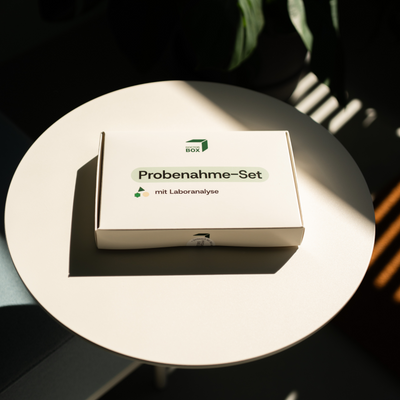
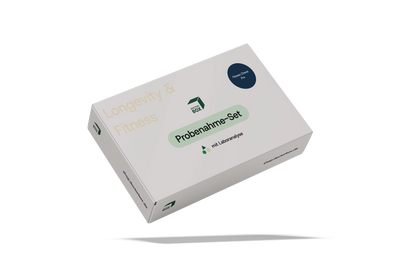
Fitness Check Pro – Your health and performance check for body & heart. The Fitness Check Pro gives you comprehensive insights into your muscle an...
Analyse im Fachlabor
Diskrete Verpackung
Ergebnis in 72h

Equipment and gear

The right equipment makes a noticeable difference in badminton. The lightweight racket, the sensitive shuttlecock, and the fast movements place specific demands on the game. Investing in suitable equipment improves both your game and comfort from the very beginning.

The badminton racket is lightweight (70-100g) and has a long shaft. Frame stiffness affects power and control: stiffer rackets for power, more flexible ones for control and arm comfort. Head weight varies: head-heavy rackets for more power on the smash, balanced for all-around play, and head-heavy for quick maneuverability. Beginners are best off starting with medium stiffness and a balanced weight distribution. String tension affects feel and durability; beginners should choose moderate tension (20-24 lbs).

Shuttlecocks come in two basic types: feather shuttlecocks (made from real goose or duck feathers) and plastic shuttlecocks. Feather shuttlecocks are the standard for competition and advanced play – they fly more consistently and feel better, but are expensive and fragile. Plastic shuttlecocks are more durable and cheaper, but fly differently and are suitable for beginners and recreational play. The speed of the shuttlecocks (indicated by numbers or colors) must be appropriate for the room temperature and altitude.

Shoes are crucial. Badminton shoes have non-marking soles, a low center of gravity for stability, good cushioning, and lateral support. The rapid changes of direction require shoes that protect the ankles without restricting movement. Running shoes are unsuitable – they offer too little lateral support.

The clothing is functional: shorts or skirt, T-shirt or polo shirt, all breathable and allowing for freedom of movement. Some venues have dress codes. Wrist and forehead sweatbands are practical during intense matches.

Additional accessories include grip tapes (overgrips that are changed regularly), racket bags to protect the strings, spare shuttles, and possibly knee or ankle braces for players with pre-existing conditions.

Training and improvement

Improving your badminton skills requires more than just playing matches. Structured training, practice drills, and targeted work on weaknesses make the difference between stagnation and progress. The combination of match practice, technical training, and fitness work leads to continuous development.

Multi-shuttle training is an effective form of exercise. A partner or coach continuously feeds shuttlecocks, and you return them – without breaks or rallies. This allows for hundreds of repetitions of a single shot in a short time. Different patterns (all four corners, net only, backcourt only) train specific skills and fitness simultaneously.

Shadow badminton is a movement exercise without a shuttlecock. You run the typical movement patterns (forward lunge, backward jump, lateral movement), hit the shuttlecock imaginary, and return to the center. This trains footwork, endurance, and automatic movement without the distraction of the shuttlecock.

Playing with different partners develops adaptability. Against stronger players, you learn under pressure; against weaker ones, you can experiment with new shots; different playing styles demand different responses. Try to play with different partners regularly.

Coaching significantly accelerates development. A good coach identifies technical errors, provides structured drills, and assists with tactical development. Especially in the beginning, several coaching sessions are invaluable. Group training offers training partners and social motivation.

Supplementary fitness training indirectly but sustainably improves badminton. Interval training for endurance, agility drills for speed, leg exercises for jumping power, shoulder exercises for stability – all of this makes you a better player. Two to three fitness sessions per week alongside badminton are recommended for ambitious players.

Video analysis reveals weaknesses in your own game. Record matches and analyze them critically: How is your footwork? Where are you losing points? How does your opponent react to your shots? The insights are often surprising.

The badminton community

Badminton has a vibrant, worldwide community. From local club nights to the professional tour, there are opportunities for every level of ambition. The community is typically open and supportive – badminton has a culture of fair play and camaraderie.

The club structure forms the backbone of the sport. Most badminton players are club members. Membership provides access to halls, organized game nights, team matches, tournaments, and often coaching. The atmosphere is usually relaxed and welcoming – newcomers are encouraged, not intimidated. Many clubs have separate groups for beginners and advanced players.

Ranking matches and league competitions offer structured competition. Team leagues allow for team competitions against other clubs in different divisions. These formats motivate regular training and offer a sense of community.

The tournament scene ranges from local club tournaments to national and international events. Age-group tournaments ensure fair competition for all generations – from youth to seniors. Performance-based classifications guarantee that you play against opponents of similar skill.

The professional tour (BWF World Tour) offers world-class badminton. The best players in the world – often from China, Japan, Indonesia, India, or Denmark – display breathtaking athleticism and tactical brilliance. Watching professional badminton is both inspiring and educational. Major events such as the All England Championships, World Championships, and the Olympics are highlights.

The online community complements the local scene. YouTube channels with technical videos and game analyses, forums for equipment discussions, apps for finding playing partners – the resources for learning and networking are extensive.

Your introduction to badminton – practical tips

Getting started in badminton is easy. Most cities have clubs, halls can be rented even without membership, and basic equipment is affordable. With a few practical tips, you can get off to a smooth start.

Find a badminton hall or club. Sports halls with badminton courts are available in most cities. Clubs often offer introductory sessions or beginner courses. The advantage of a club: organized playing partners, coaching, and structured training. The advantage of renting a hall independently: flexibility and no club membership requirement.

Take beginner lessons. A few coaching sessions at the beginning will lay the foundations correctly. You'll learn grips, basic strokes, and footwork properly, instead of developing bad habits. The investment pays off in the long run. Many clubs offer affordable beginner courses.

Invest in good shoes early on. You can borrow or buy a racket cheaply at first, but proper badminton shoes will protect your joints from your very first session. Lateral stability and a non-slip sole are essential for the fast movements involved.

Start with suitable shuttlecocks. Plastic shuttlecocks are sufficient for beginners and significantly cheaper than shuttlecocks. They last longer and are more forgiving of missed shots. As your skill level improves, you can switch to shuttlecocks for a better feel.

Warm up thoroughly. Badminton is a demanding sport – cold muscles and stiff joints increase the risk of injury. Five to ten minutes of light jogging, dynamic stretching, and relaxed strokes before the actual game are essential.

Focus on the basics. The temptation to immediately unleash smashes is strong. But clean clears and controlled drops win matches, not wild smashes. Practice the basic strokes until they're solid. Power comes with technique.

Enjoy the process. Badminton has a satisfying learning curve – the improvement is noticeable, and the game becomes more interesting every week. Find playing partners at your level and let the community welcome you.

Häufig gestellte Fragen

Badminton is an excellent full-body workout. An hour burns 400-600 calories and trains the cardiovascular system, leg muscles, core, and shoulders. The interval-based nature of the game—short, explosive bursts of activity with rest periods—is particularly effective for fitness and fat burning. Studies show that badminton players often cover more distance in a match than tennis players. The sport improves endurance, speed, coordination, and reaction time simultaneously.

As a beginner, an entry-level model in the €30-€60 range is sufficient. Choose a well-balanced racket with moderate stiffness – not too stiff (which puts strain on your arm) and not too flexible (which offers less control). Brands like Yonex, Victor, Li-Ning, or Carlton offer solid entry-level models. Medium weight (85-90g) and a light to balanced feel are ideal for beginners. Many clubs rent rackets – try out different ones before you buy.

Shuttlecock is the recreational version played in parks or gardens – without a net, without rules, with the aim of keeping the shuttlecock in the air as long as possible. Badminton is the organized competitive sport with a net, court, rules, and the goal of scoring points. The technique, tactics, and intensity differ fundamentally. Badminton is extremely physically demanding, while shuttlecock is more relaxed. Anyone switching from shuttlecock to badminton has to learn new skills.

Yes, for competitive and advanced play. Feather shuttlecocks fly more consistently, feel better, and allow for more precise shots. They are the standard in organized badminton. The downside: they are more expensive (1-3 euros each) and break easily if hit incorrectly. Plastic shuttlecocks are more durable, cheaper, and perfectly adequate for beginners and recreational play. As your skill level improves, you will come to appreciate the difference.

For noticeable progress, two to three sessions per week are recommended. One session per week is sufficient for maintenance, but not for significant improvement. Sessions should combine match practice with technical training – not just matches, but also drills. Beginners benefit particularly from regularity. More than four intensive sessions per week increase the risk of injury without proportional benefit. Quality over quantity.

Yes, absolutely. Badminton shoes have non-slip soles (non-marking, they don't leave marks), a low center of gravity for stability during lateral movements, and good cushioning. The quick changes of direction and lunges require lateral support that running shoes don't provide. Regular athletic shoes significantly increase the risk of injury. Invest in proper shoes early – they cost between €50 and €100 and will protect your joints.

The basics can be learned in just a few hours – grip, simple strokes, rules. You can quickly play meaningful rallies. However, mastering the sport takes years. The variety of strokes, the tactical depth, and the physical demands offer endless opportunities for development. Getting started is easier than in many other sports, but reaching a high level requires dedication and training.

Tennis experience is helpful to some extent – ​​ball-eye coordination and basic tactical understanding are transferable. However, the technique differs considerably. Badminton strokes are much more wrist-intensive, the grips are different, and the footwork is specific. Tennis players tend to use excessively large swings and underestimate the importance of footwork. With coaching support, the transition is manageable; without it, the muscle memory ingrained in tennis can be a hindrance.

The easiest way is through clubs. Most badminton clubs have organized game nights where partners rotate, or groups for different skill levels. Online platforms and apps connect players by location and ability. Facebook groups for local badminton scenes are another resource. At public halls: Talk to other players. The badminton community is typically open and helpful in finding partners.

Badminton is relatively affordable. Basic equipment (racket, shoes, shuttlecocks) costs between €100 and €200. Club memberships vary (€50–€200 annually). Court rentals without club membership cost between €10 and €20 per hour. Ongoing costs are limited to shuttlecocks (shuttlecocks cost more than plastic ones), occasional stringing, and grip tape. Compared to many other sports, badminton is inexpensive.

Bereit für den nächsten Schritt?

Du hast jetzt alle wichtigen Informationen. Sorge für deine Gesundheit mit einem zuverlässigen Heimtest.

For the fitness check
DoctorBox AI Advisor
Hey! 👋 What health concerns do you have? I will help you find the right test.

AI-powered – Answers may be inaccurate.